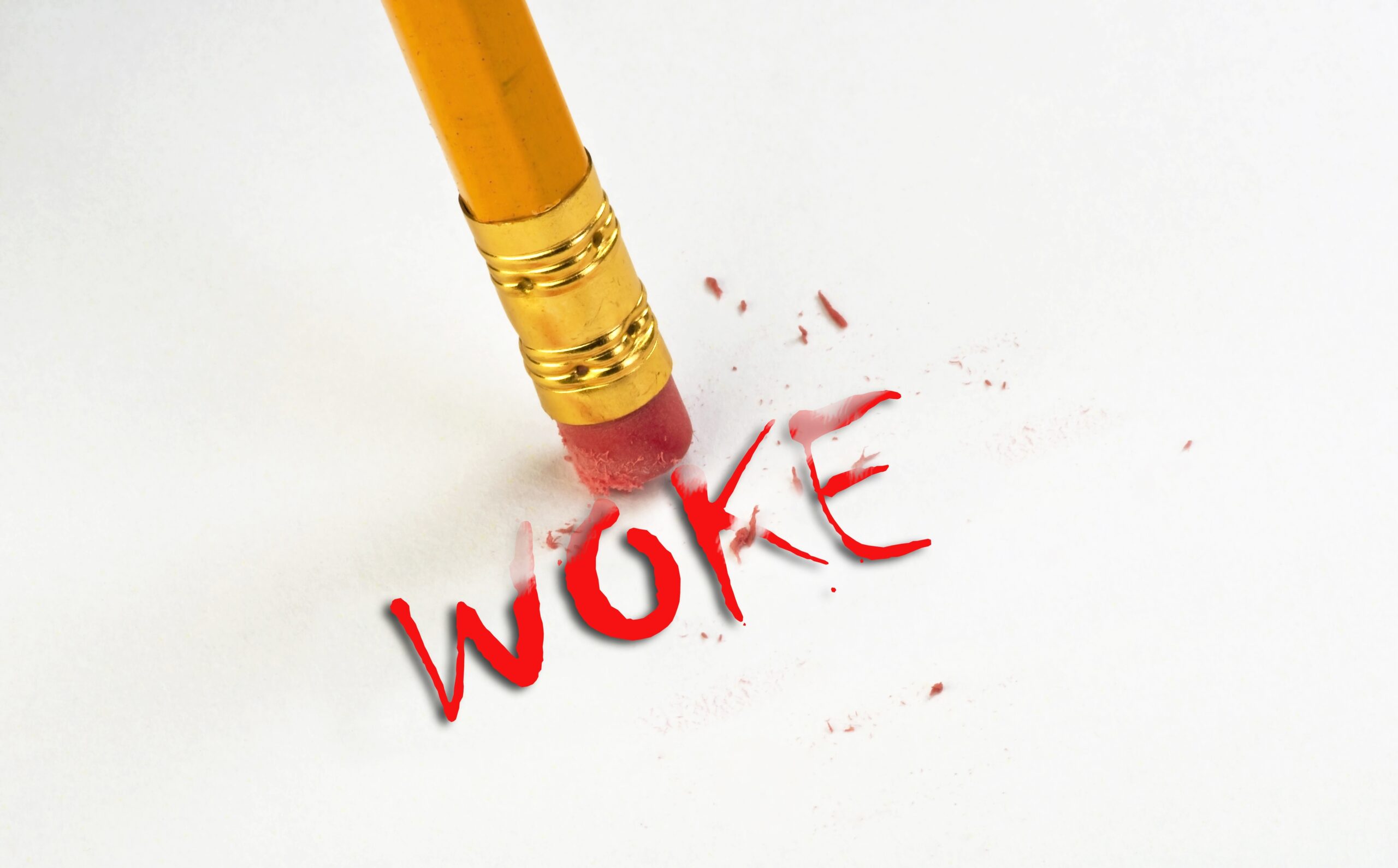
For a stretch of time in the late 2010s and early 2020s, it truly seemed as though a particular ideological current, broadly dubbed “Wokism” in the United States and elsewhere, was not merely ascendant, but had achieved something akin to cultural inevitability.
Its proponents, buoyed by institutional capture and a vocal online presence, carried themselves with the conviction of history’s ultimate victors, assured that every trend, every policy shift, and every corporate announcement would inevitably bend towards their preferred future.
From the halls of academia to the boardrooms of multinational corporations, and even into the sometimes-bewildering realm of children’s entertainment, the influence of what we’ve previously discussed in these pages as Social Justice Ideology appeared, for a time at least, to be total.
Yet even the most seemingly unstoppable forces can find their momentum checked. Hence, the subject of this week’s post: “They Thought They Owned the Future: Wokism in Eclipse”.
The very notion of an “eclipse”, however, suggests a temporary obscuring, perhaps even a waning, rather than a total disappearance.
And indeed, across the Western landscape – from the United States to Great Britain and even as far afield as New Zealand – there are now undeniable tremors of pushback, a growing weariness, and a discernible shift in the prevailing winds. Call it the ‘Wokism backlash’.
This isn’t just the predictable grumbling from the usual suspects on the political right; a significant, and perhaps more potent, counter-movement is emerging from unexpected quarters, including among those who have long considered themselves firmly on the liberal and progressive side of the spectrum.
How long-lasting or ultimately effective this counter-movement will be is anyone’s guess. What we are seeing now could be the beginning of a sustained pushback against the brief but fateful dominance of “Woke” ideology over a range of Western institutions. Alternatively, it could be merely a brief spasm of reaction that won’t be able to sustain itself and will fizzle out in two to three years, leaving “Wokism” with sufficient strength to mount a counter-attack.
Either way, “Wokism” seems to be entering a period of eclipse, if not necessarily defeat. Understanding the forces that brought that eclipse about is our task today.
THE ASCENDENCY OF WOKE: A BRIEF RETROSPECTIVE
To understand “Wokism,” one must first resist the temptation to view it as a single, tightly defined ideology. As Greymantle has written previously, Wokism is not a new Marxism, nor a religion, nor even a coherent political program. It is, rather, the confluence of several postwar liberation movements and intellectual currents that began to merge—somewhat uneasily—in the last quarter of the 20th century.
For those still grappling with its elusive nature, Greymantle previously offered a working definition: Wokism, or Social Justice Ideology (SJI), is a worldview rooted in the notion that social life is structured by systemic oppression—particularly along the lines of race, gender, sexuality, and other categories of identity—and that moral virtue requires identifying, dismantling, and reimagining those structures.
Its appeal lies in its promise to address long-standing injustices, to shine a light on overlooked harms, and to create a more equitable world. And for a period, it seemed to deliver on its promise of influence, if not always on its loftier goals.
Corporate Diversity, Equity, and Inclusion (DEI) initiatives became ubiquitous, often accompanied by elaborate training sessions that sometimes veered into the comically didactic. Academic institutions, ever keen to remain relevant, eagerly adopted new orthodoxies, occasionally to the chagrin of more traditionally-minded faculty.
Media outlets, particularly those aspiring to moral authority, often became fervent advocates, framing narratives through a lens that left little room for dissent or alternative interpretations.
One could almost hear the collective sigh of relief from some quarters, a belief that the long, winding road of social progress had finally found its definitive, and rather prescriptive, map. The future, it appeared, had been thoroughly claimed.
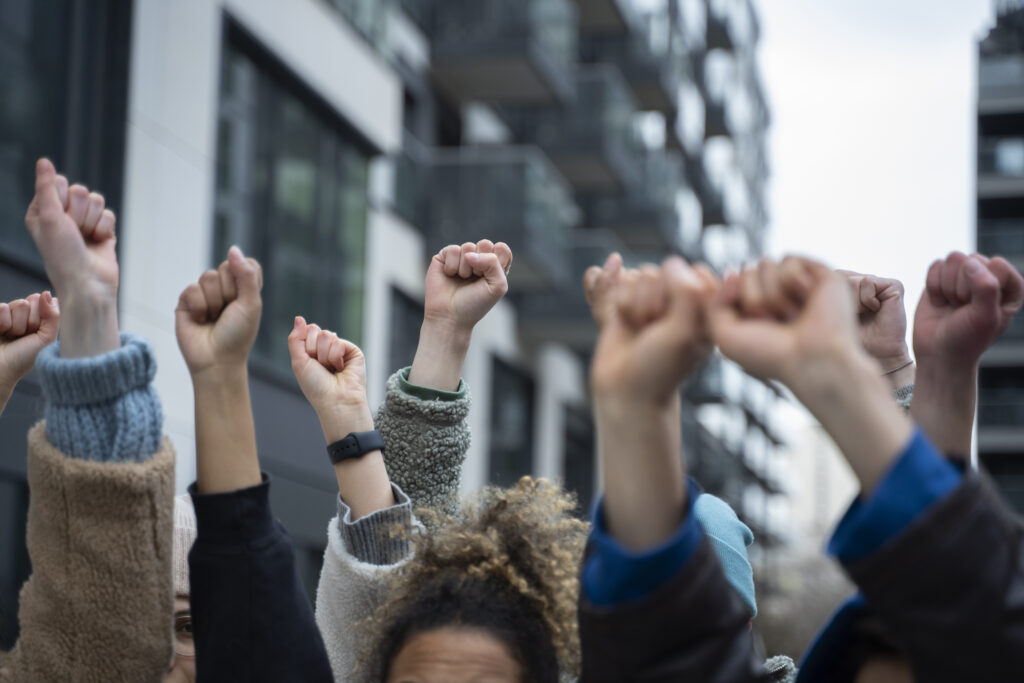
The rapid ascendancy of “Wokism” from roughly 2012 to 2022 was fueled by several factors. The explosion of social media provided an ideal medium for its “moral grammar” to spread, allowing for rapid mobilization and the shaming of perceived transgressors.
The killing of George Floyd in 2020 served as a catalyst, propelling terms like “privilege,” “microaggression,” “allyship,” “systemic racism,” and “lived experience” into central importance in public life. These were not mere buzzwords, but the moral grammar of a worldview that had taken root in universities, activist circles, corporate diversity offices, and media institutions.
The initial response from many institutions in the period from 2020 through 2022 was largely one of swift, uncritical adoption, as institutional leaders feared accusations of being “on the wrong side of history” or, worse, of being “complicit.” This atmosphere of moral urgency, coupled with a pervasive fear of “cancellation,” created a powerful feedback loop that further solidified “Wokism’s” perceived inevitability.
THE TIDE TURNS: SIGNS OF A PUSHBACK
Yet, the seemingly unassailable edifice of “Wokism” has begun to show cracks, and the tide, it appears, is indeed turning.
This shift is not merely the predictable counter-reaction from the political right, which, to be fair, has often seized upon “anti-woke” sentiment as a convenient cudgel. (One might even observe a certain performative zeal among some right-wing populists, whose newfound concern for “free speech” seems to evaporate when they are confronted with ideas they dislike.) However, a far more significant, and perhaps more enduring, pushback is emanating from within the very liberal and progressive intellectual traditions that “Wokism” purported to represent.
A crucial development in this counter-movement has been the emergence of what Greymantle dubs the L.A.W. – Liberal Anti-Woke – publications, their readers, and their fellow travelers in the realms of media, entertainment, and academia, the realms where Wokism bit deepest and continues to exert its most profound influence.
Between roughly 2018 and 2023, online journals such as Quillette, The Free Press, and UnHerd carved out vital spaces for traditional liberals alarmed by the rapid ideological shifts within institutions they once considered their own.
These platforms were launched by journalists like Claire Lehmann and Bari Weiss, who, far from being right-wing ideologues, represent a disillusioned liberal intelligentsia increasingly alarmed by the ideological capture of universities, media, and cultural organizations by “Woke apparatchiks” and their uncompromising demands for conformity of thought.

Claire Lehmann, founder of Quillette Magazine, circa 2022
The work of LAW-aligned journalists has been instrumental in articulating a critique of “Wokism” that resonates deeply with those who still value open inquiry, nuance, and classical liberal principles over rigid dogmatism. These journals have provided a home for liberal critics of identity politics, gender ideology, critical theory and post-structuralism and the plethora of activist-driven NGOs and groups that seek to promote Woke culture.
Beyond these influential voices, tangible shifts are also becoming evident, sometimes in the dry, legalistic pronouncements of courts, and other times in the stark arithmetic of electoral results.
LEGAL AND SCIENTIFIC RE-ASSERTIONS OF BIOLOGICAL REALITY
In the United Kingdom, a significant setback for certain tenets of “Wokism” came with the publication of the Cass Review in April 2024. This comprehensive, independent review sharply criticized the scientific basis of many aspects of “youth gender medicine,” particularly the rapid affirmation model and the use of puberty blockers. Its findings have prompted a profound re-evaluation of pediatric gender services across the UK, dealing a substantial blow to a movement that privileged self-identification over cautious medical practice and long-term evidence.
Further, the British High Court’s ruling in April 2025 that an individual’s legal sex cannot be simply changed based on self-declared gender identity underscored a legal reassertion of biological reality over purely subjective claims, offering another clear defeat to the more radical interpretations of gender theory.
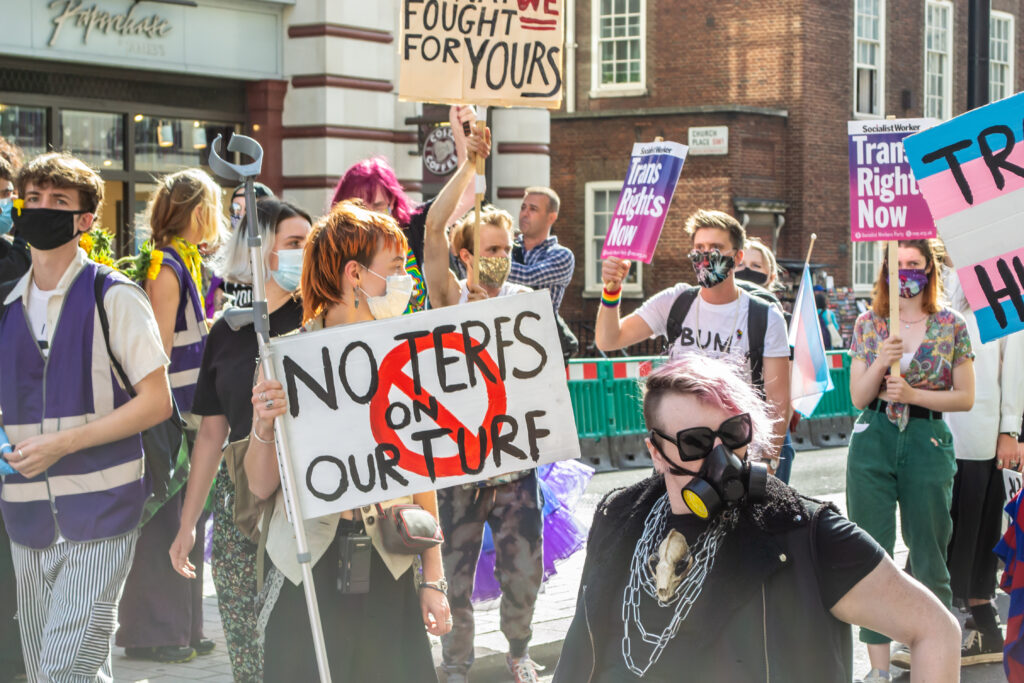
Protesters in favor of transgender rights in the UK, circa 2023
Across the Atlantic, the U.S. Supreme Court also weighed in during its 2024-2025 term. In United States v. Skrmetti (June 2025), the Court upheld a Tennessee law banning gender-affirming care for minors, finding that such laws are not subject to “heightened scrutiny” under the Equal Protection Clause of the Fourteenth Amendment. This, alongside other decisions such as Mahmoud v. Taylor (June 2025), where the Court sided with parents challenging the inclusion of LGBTQ+-themed books in public school curricula without an opt-out option, signals a judicial pendulum swinging back towards parental rights and away from some of the more expansive interpretations of “Woke” ideology in public education and healthcare.
ELECTORAL CONSEQUENCES OF AN UNCRITICAL EMBRACE OF WOKISM
While often less dramatically declared than judicial victories, a palpable fatigue with “Wokism” has been growing in the United States. Businesses, once eager to embrace highly visible Diversity, Equity, and Inclusion (DEI) initiatives, are quietly recalibrating. The “go woke, go broke” meme, while often simplistic, reflects a genuine concern among some corporations about alienating broad segments of their customer base.
More concretely, the November 2024 election of Donald Trump proved to be a significant, if somewhat blunt, instrument in the “Woke” eclipse. Regardless of one’s political allegiances, it’s undeniable that cultural issues, including the perceived excesses of “Wokism,” played a decisive role in turning the election in Trump’s favor.

This wasn’t merely a victory for a particular candidate but a broader public repudiation, however imperfectly expressed, of certain ideological trends that had come to dominate public life. It was evidence of a broader cultural shift in America toward a more centrist or skeptical approach to progressive bromides, led by the populist right wing perhaps, but supported by millions of American voters exasperated with Wokism’s excesses.
The disfavor wasn’t limited to the US. In the July 2024 UK general election, both the Scottish National Party (SNP) and the Scottish Green Party, arguably the most “Woke” aligned major parties in Britain, suffered significant electoral drubbings. They lost numerous seats to more moderate Labourites and Liberal Democrats.
The UK election outcome strongly suggested a public exhaustion and discontent with the SNP and Green Parties’ progressive cultural stances, proving that even in a nation generally seen as far more socially liberal than the US, there are limits to how far the cultural pendulum can swing without provoking a backlash at the ballot box.
THE UNMASKING IN GAZA AND ITS RIPPLE EFFECTS
Perhaps one of the more unexpected, yet profoundly significant, challenges to “Wokism” has come from the crucible of the Middle East conflict.
The intense, often shrill, activism from pro-Palestinian student groups and their allies on Western campuses and in public squares, particularly in response to Israel’s military operations, exposed the practical limitations of their ideological reach.While these groups commanded significant attention and often sought to dictate terms, the steady U.S. support for Israel’s campaigns by both the current and previous administrations, coupled with Israel’s military successes against groups widely viewed negatively by most Americans (and indeed, many Western publics), served as a stark reality check.

Pro-Palestinian student activists at Columbia University, Spring 2024
The fervent demands for “decolonization” and “abolition” of Israel, while loudly proclaimed in activist circles, simply failed to translate into a coherent foreign policy outcome. This demonstrated that for all their performative outrage, “Woke” aligned factions possess limited leverage when confronted with geopolitical realities and the enduring concerns for national security among centrist and right-leaning Western publics, and even many liberals who, though perhaps privately alarmed, might shy from public dissent.
The war, in its own brutal way, bolstered the prestige of a nation that many “Woke” ideologues sought to delegitimize, revealing a disconnect between academic theories and the harsh realities of power. Despite an intense worldwide pressure campaign by pro-Palestinian activists and sympathetic media outlets, Israel has persisted in its war against Hamas and its allies over 20 long and bloody months, winning significant battlefield victories against Hamas, Hezbollah, Syria and Iran and successfully resisting calls for a cease-fire or de-escalation of hostilities.

The Gaza Strip, Summer 2024
Crucially, the domestic fallout from the October 7, 2023, Hamas attacks on Israel and the subsequent, sometimes celebratory, responses from elements of the U.S. progressive left have precipitated a significant, if largely behind-the-scenes, shift within the Democratic Party. Moderate Democrats and powerful political donors and organizers in the American Jewish community are increasingly redirecting their resources and organizational acumen away from “Woke” candidates and progressive political activists associated with the Palestinian cause.
The ongoing New York City mayoral election, where Mayor Eric Adams, a Black, Democratic moderate, is poised against challenger Zohran Mamdani, a figure strongly aligned with the social justice currents in progressive left, will serve as a crucial test. If moderate Democrats, left-leaning independents, and their financial backers can successfully unite to ensure Adams’ victory, it will be a clear signal that the liberal anti-Woke strategic realignment is bearing fruit, pushing “Wokism” into an even deeper, if still temporary, eclipse.
UNLIKELY ALLIANCES AGAINST ORTHODOXY
Further evidence of the cultural landscape’s fundamental shift comes from the emergence of platforms that transcend traditional ideological divides in their critique of “Wokism.” The online journal Compact, launched in 2022, is a particularly telling example.
Founded by a Marxist and two conservatives, Compact stands as a curious testament to the fracturing of old alignments. Its pages feature a remarkable intellectual mix: criticisms of capitalism and even praise for left-wing movements like Mexico’s Morena Party can coexist with conservative, traditionalist, and at times, far-right diatribes against abortion, sex change operations, radical feminism, and the entire smorgasbord of “Wokism.”
The very fact that Marxists, atheists, and religious conservatives can find common ground in a publication primarily defined by its opposition to “Wokism” is a profound indication that the ideological landscape is reconfiguring itself in ways that are working to undermine the brief period of ideological dominance that “Wokism” enjoyed from roughly 2012 to 2022.
WHY THE ECLIPSE? THE LIMITS OF IDEOLOGICAL PURITY
So, what accounts for this shift from perceived inevitability to a discernible eclipse? The reasons are, as one might expect, as multifarious as the “Wokism” phenomenon itself.
As we noted previously, “Wokism,” or Social Justice Ideology (SJI), is not a single, tightly defined doctrine. Instead, it’s a “movement of movements,” a confluence of intellectual rivers that merged into a powerful cultural current. It rooted itself in the notion that “social life is structured by systemic oppression” and that “moral virtue requires identifying, dismantling, and reimagining those structures.”
While often described as “neo-Marxist,” Wokism’s focus was never primarily on class or economic redistribution, but rather on cultural and psychological terrain, with identity groups as its units of analysis and language, representation, and institutional power as its battlegrounds.
This, the very nature of its framing of the struggles it sought to prosecute, while enabling its rapid spread, also contained the seeds of its current predicament.
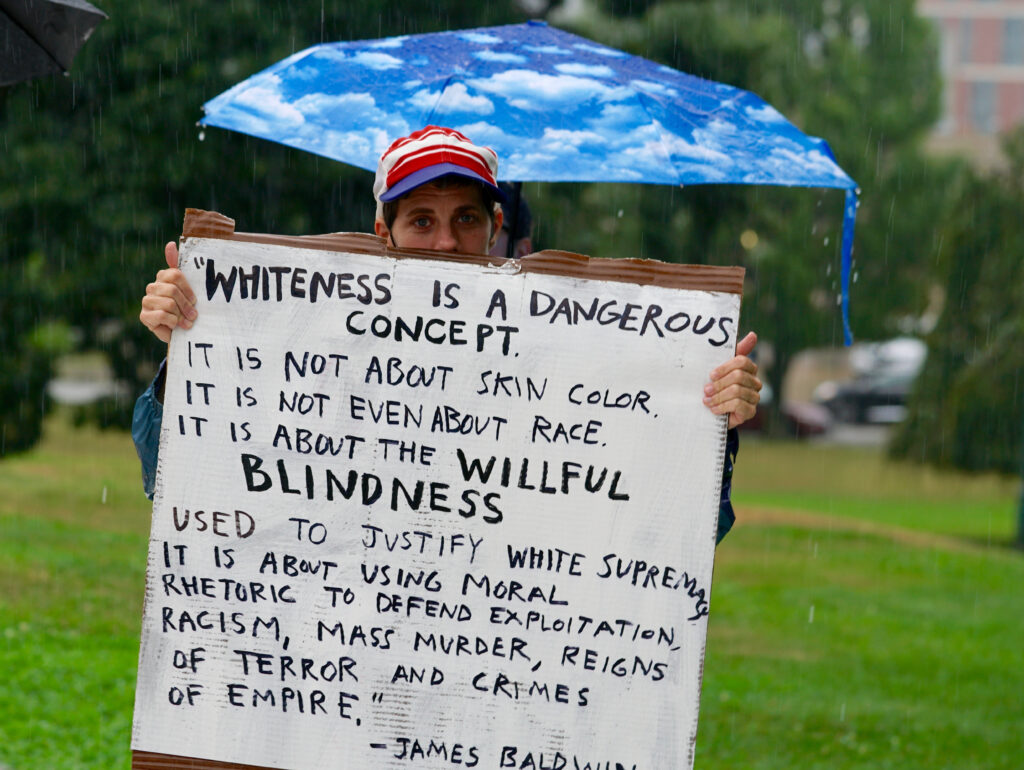
The “moral grammar” of “privilege,” “microaggression,” and “allyship,” initially powerful tools for raising awareness, often became rigid and demanding. As the movement matured, its insistence that “speech is violence and silence is complicity” began to chafe against long-held liberal tenets of free inquiry and open debate.
When the pursuit of justice demanded “not neutrality, but active disruption of oppressive norms,” even well-meaning allies found themselves walking on eggshells, perpetually at risk of an ideological misstep. The demand for “moral purity,” the assignment of “collective guilt,” and the privileging of “authenticity and trauma” over reasoned argument, while intensely felt by proponents, proved to be a heavy burden for the broader public to bear indefinitely.
In pushing their belief system to go viral in a short space of time, the followers of Wokism became filled with a sense of certainty that the early 2020s were only the beginning. They thought they owned the future, but the intensity of Wokism’s surge caught the public by surprise. The resulting backlash may push Wokism into eclipse, at least temporarily.
IDEOLOGICAL OVERREACH AND RADICALIZATION
Perhaps the most significant contributing factor to its current eclipse was simple overreach and a tendency towards radicalization. What began with often laudable goals of combating racism and sexism increasingly embraced concepts that struck many as abstract, esoteric, baffling, or simply ridiculous.
When, for instance, academic luminaries like Judith Butler, a key figure in postmodern gender theory, offered a “metaphysical improv jazz around sex, gender and personal identity,” proclaiming gender not a biological fact but a “social performance,” her “famously impenetrable” language may have become gospel in gender studies departments, but it often met with bemusement or outright rejection in the wider public sphere.
The constant push for ever-more granular identity categories and an ever-expanding list of offenses left many ordinary people feeling perpetually inadequate or, worse, inherently complicit in systemic harms they barely understood.
PERCEIVED AUTHORITARIANISM
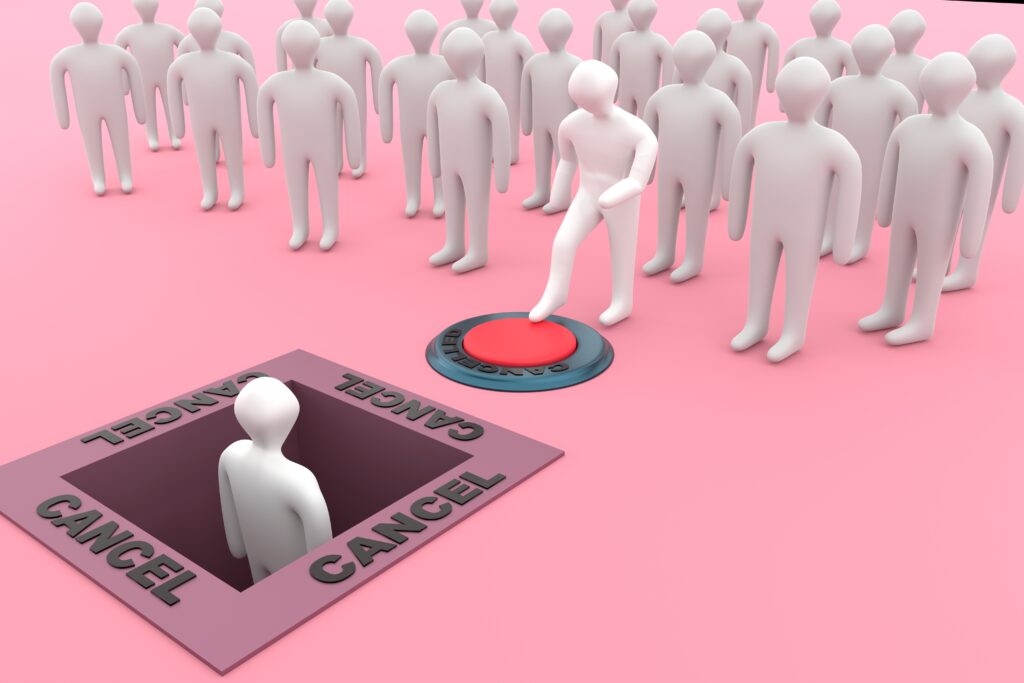
Furthermore, the perceived authoritarianism embedded within some “Woke” demands began to elicit a natural human resistance. The notion that “the master’s tools will never dismantle the master’s house,” while a powerful rallying cry for activists like Audre Lorde, often translates into an unwillingness to engage in good-faith dialogue or seek common ground with those outside the ideological fold. This created an “us vs. them” dynamic that alienated potential allies and hardened opposition. When every critique, however carefully articulated, was dismissed as evidence of “fragility” or “complicity,” the space for genuine discussion shrank, leaving only a binary choice: full ideological embrace or total opposition.
ECONOMIC FACTORS AND PRACTICAL REALITIES
Finally, economic factors and practical realities often collided with “Woke” initiatives. While corporations initially rushed to demonstrate their commitment to DEI, the implementation of these programs sometimes led to accusations of tokenism, reverse discrimination, or simply a misallocation of resources that provided more virtue signaling than tangible benefits.
The “go woke, go broke” phenomenon, crude as it is, speaks to a market-driven feedback loop that punishes companies perceived to prioritize ideological alignment over core business functions or broad customer appeal. The Israel-Hamas conflict, as we noted, provided a stark geopolitical example: the impassioned calls from activist circles simply ran aground on the unyielding shoals of national interest and international power dynamics, revealing the limits of performative outrage in the face of real-world complexity.
THE FUTURE LANDSCAPE: WOKISM IN ECLIPSE, NOT DEFEAT
What then does this “eclipse” truly signify? It is crucial to understand that this is not a declaration of decisive defeat for “Wokism,” nor a prediction of its permanent disappearance.
Ideologies, like tenacious weeds, rarely go quietly into that good night.
Instead, “eclipse” suggests a significant reduction in its uncritical acceptance and a waning of its once-dominant influence. The widespread exhaustion with its more extreme manifestations, the growing internal critiques from the liberal left, and the increasing electoral and legal setbacks all point to a moment of significant re-evaluation.
The future landscape may well see a re-emergence of a more moderate and pragmatic approach to social issues. Concerns about discrimination, inequality, and historical injustices remain legitimate and pressing.
However, the path forward may increasingly favor open dialogue, universalistic principles, and solutions that prioritize broad consensus over ideological purity. We might witness a renewed emphasis on classic liberal values: free speech, due process, individual rights, and the importance of persuasion over coercion. If these trends emerge with strength and conviction, then we may truly enter the post-Woke era.
Yet, this shift comes with a significant caveat, one worth sober consideration.
The forces that powered “Wokism” are not vanishing; they are merely retreating, regrouping, and likely re-strategizing. The current “eclipse” signifies neither the ‘defeat” nor the “exile” of Wokism from public discourse or the culture wars.
The proponents of Social Justice Ideology are, for the most part, deeply committed to their worldview, convinced of its moral righteousness, and highly skilled in institutional navigation. It would be remarkably naive to assume that they are simply fading away peacefully, resigned to the re-marginalization or vanquishment of ideas they have dedicated their lives to promoting. ‘Woke culture’, if one can call it that, is not yet in serious decline or retreat.
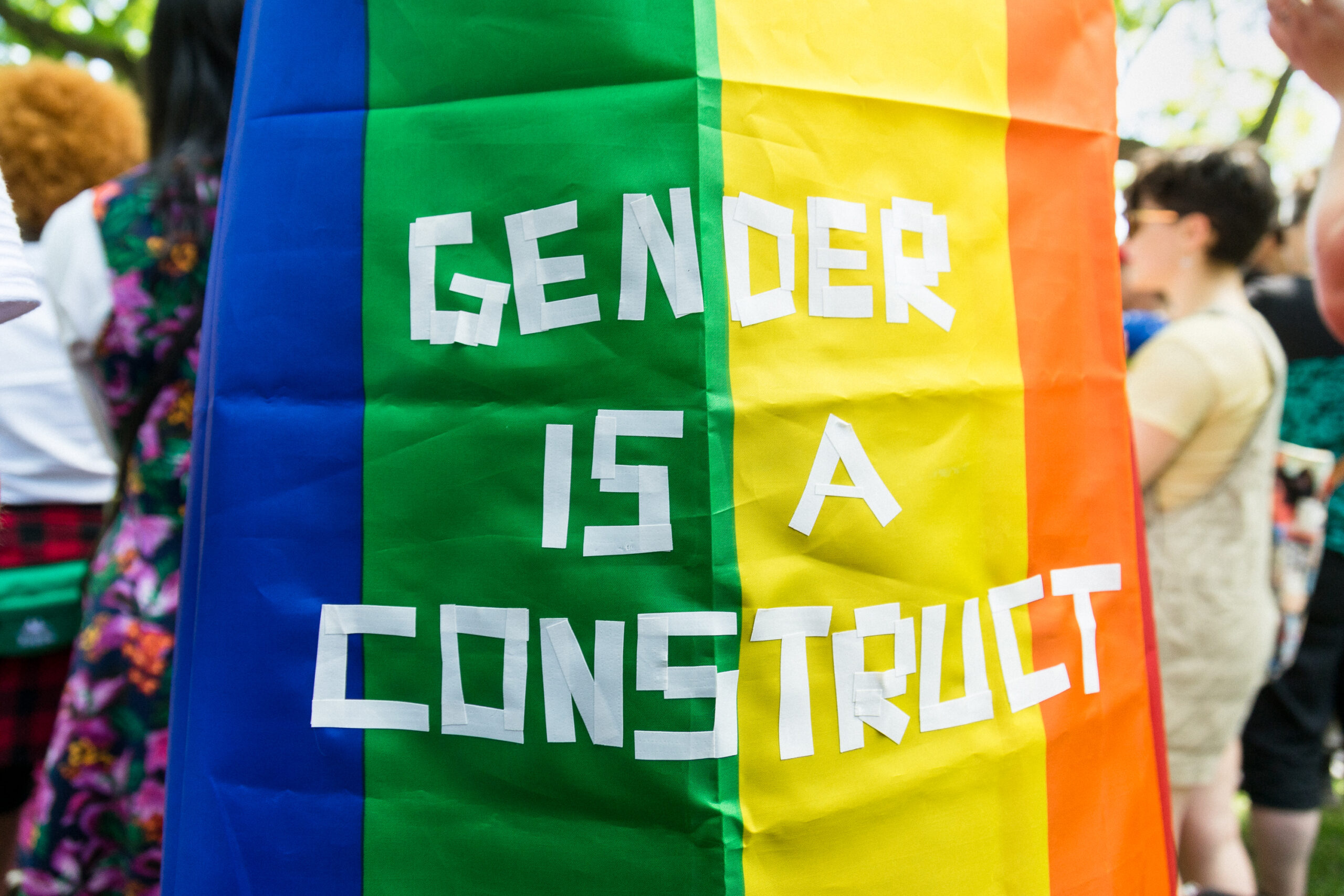
Above: The core tenets of Wokism may prove surprisingly resilient to its critics
In five or ten years, one might fully expect “Wokism” to re-emerge, perhaps in a new guise, having learned from its current setbacks, better organized, and undoubtedly looking for payback.
The cultural battles, it seems, are far from over, and could merely be entering a new, more subtle, and potentially more protracted phase.
UNTIL NEXT TIME, WE REMAIN —
Greymantle
Also Read: Gambling Without Shame: How Legalized Gambling Captured America