latest
Broken from the Beginning

Broken from the Beginning: Understanding Sudan’s Genocidal Civil Wars, Part 1

As recently as the early 1980s, Sudan seemed to have everything going for it as far as a Third World country was concerned. Its assets included a favorable location for international trade, regional allies, a well-educated elite, and the promise of oil revenue. What went wrong? This three part series: "Broken from the Beginning: Understanding Sudan's Genocidal Civil Wars" is an attempt to explain the causes of Sudan's present catastrophes.
No Good Options 2

No Good Options 2: Seizing the Strait Islands – For What End?

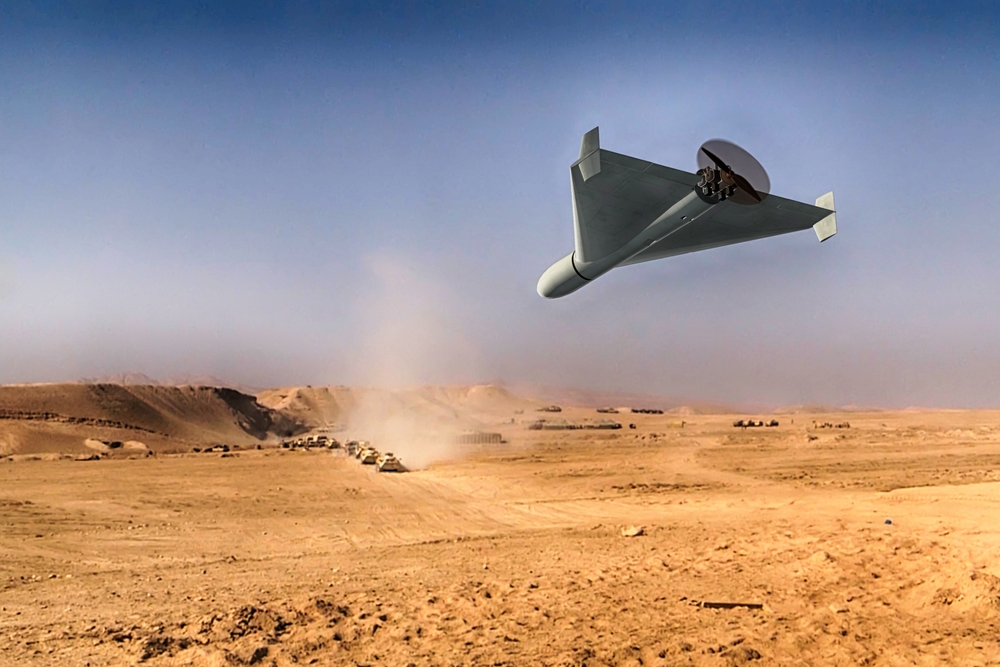
This article examines several possible U.S. military objectives in the Strait of Hormuz, including a seizure of Iran’s key oil export hub at Kharg Island and the potential capture of other strategic islands controlling the Strait. Each option carries serious risks, uncertain strategic benefits, and the chance of triggering wider economic and military chaos across the Gulf region. Hence our title, "No Good Options 2". as we continue last week's analysis.
No Good Options

No Good Options: Prospects for a U.S. Ground Invasion of Iran

There are inevitable trade-offs to be considered in every operational plan and in every war. The troubling fact about a potential U.S. invasion of Iran's coastline is that the trade-offs all seem to skew sharply negative after the initial landing has been achieved. For American military planners, there may truly be no good options for operationalizing a U.S. invasion of Iran.
The Method to Their Madness

The Method to Their Madness: Trump, Rubio and America’s Lightning Wars

The geostrategic thinking of President Trump's inner circle revolves around a stark premise: the U.S. is entering a period of geopolitical rivalry that will culminate in a military confrontation with China. Since that confrontation is coming quickly, Washington cannot afford to remain entangled in a half-dozen smaller regional conflicts. Their solution is brutally simple: Before the larger struggle begins, the U.S. should neutralize as many secondary adversaries as possible.

A Clarification to Our Last Post: 10 Reasons Why Iran’s Regime Will Fall

We argued in last Saturday's post that Iran’s Islamic regime faces imminent collapse. Some readers have pushed back -- fair enough. Predictions about regime collapse should always be treated with skepticism. But the situation unfolding in Iran right now is unusually bleak for the ruling clerical establishment. The regime is far more fragile than many observers realize. In this post, we outline 10 reasons why Iran's regime will fall.
Don't Say We Didn't Warn You

Don’t Say We Didn’t Warn You: The Endgame for Iran Is Here

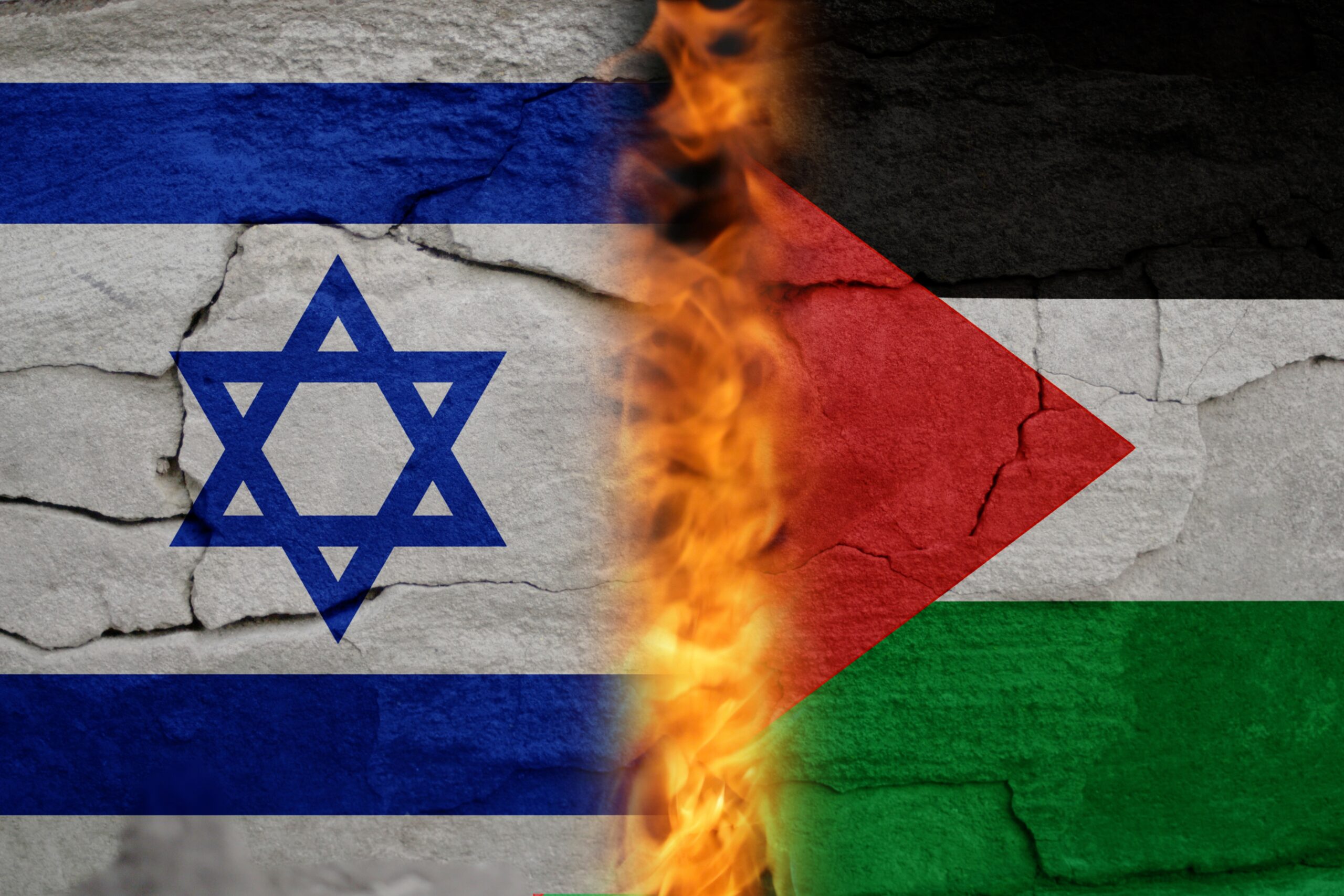
On February 28, 2026, the United States and Israel launched what is now unmistakably a war against the Islamic Republic of Iran. The initial wave of airstrikes, cyber operations, and follow-on attacks were not symbolic gestures or calibrated signals meant to restore “deterrence.” They were systematic blows against Iran’s military infrastructure, missile forces, and the remaining skeleton of its nuclear program.

what you need to know

in your inbox every morning
Popular stories

Subscribe To Our Newsletter