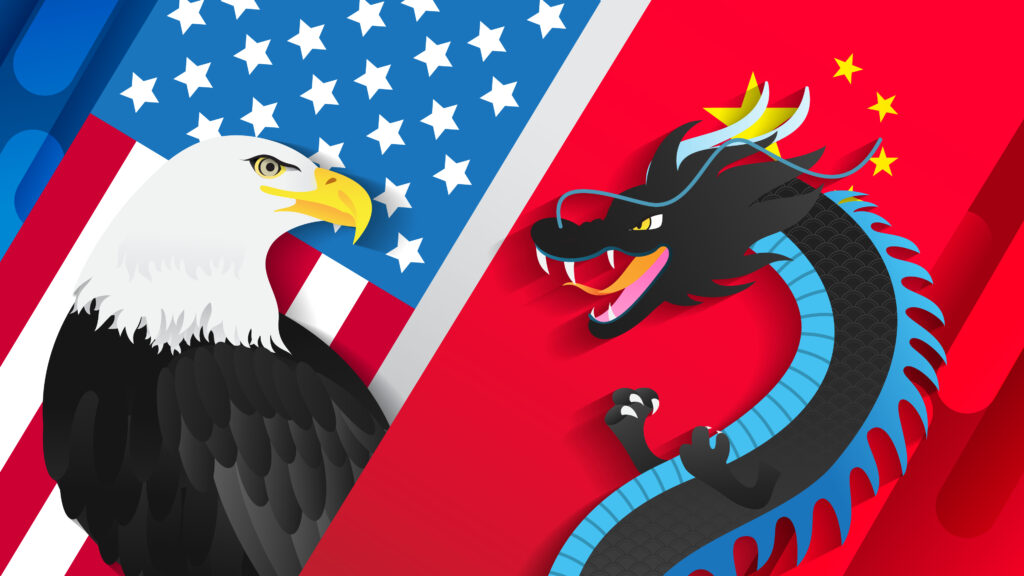
Blue Water

Blue Water is a geopolitical and military analysis series examining a potential war between China and Taiwan and the likelihood of U.S. intervention. It explores Chinese blockade and invasion strategies, Taiwan’s defenses, and American naval options, with a focus on China’s rise as a blue-water naval power. The series underscores how any conflict would be costly, complex, and globally destabilizing.

About The Editor

Richard Jupa

Richard Jupa graduated from Columbia College in NYC with a BA in English literature. Commissioned as a naval officer, he served aboard an aircraft carrier during the latter stage of the Vietnam War. He later worked at a major U.S.credit rating agency as a finance editor for more than two decades. Mr.Jupa is the co-author of Gulf Wars, a book on the 1991-1992 Gulf War. He has also published over a dozen articles on contemporary conflicts, as well as numerous reviews of military histories and analyses.
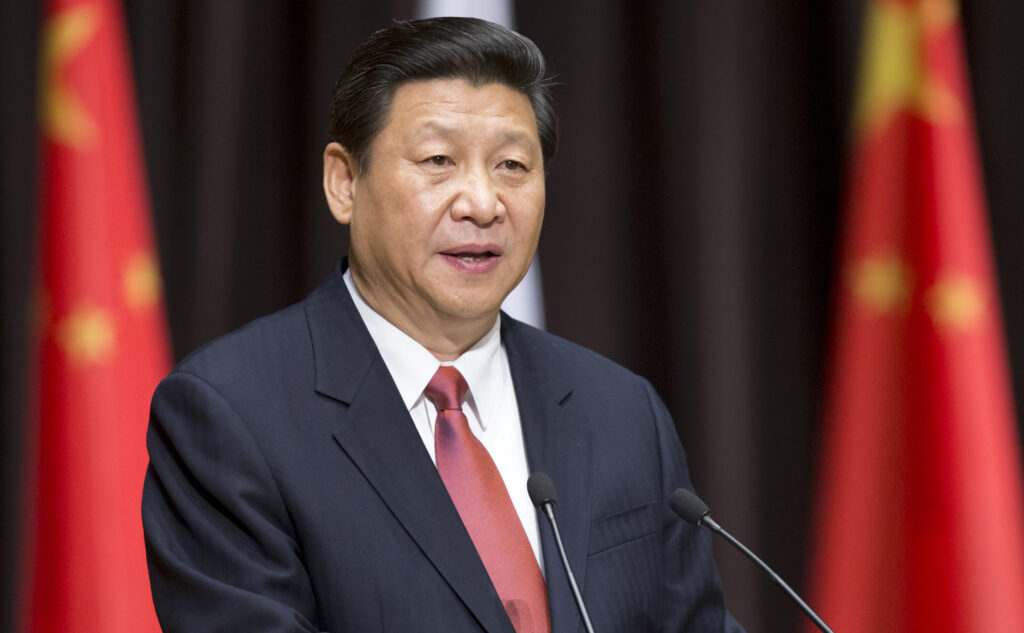
Letter to Xi

Letter to Xi: ‘Don’t Do It’

Following his recent high-level purge of the Chinese military, President Xi Jinping is riding high and apparently in full control of the PRC. But the risks of his obsession with reclaiming Taiwan for China are immense. Contributor and naval analyst Richard Jupa makes one last attempt to dissuade the Chinese leader in this 'Letter to Xi'.
The Chinese Response

The Eagle Versus the Dragon, Part 3: The Chinese Response

In the final article in our 8-part series on the balance of global naval power in the Taiwan Strait, we conclude with an analysis of the Chinese military's probable responses to a U.S. and allied blockade of Chinese commercial shipping. The bottom line: even if the U.S. attempts to avoid directly engaging PRC naval vessels, Chinese missile power will make the distant blockade a hazardous affair for the U.S. Seventh Fleet.
The Chinese Response

The Eagle Versus the Dragon, Part 2: The Distant Blockade

Part 7 of our ongoing series of the rise of Chinese naval power lays out the most promising U.S. strategy to counter a Chinese blockade and/or invasion of Taiwan: a distant blockade of Chinese commercial shipping focused on major Pacific and Indian Ocean trade choke points including the Gulf of Aden, the Singapore Straits and the Strait of Malacca. While less hazardous than attempting a direct engagement with the PRC navy, this strategy also carries huge risks for the U.S. navy.
The Chinese Response

The Eagle versus The Dragon, Part 1: China-U.S. Naval Conflict Scenarios
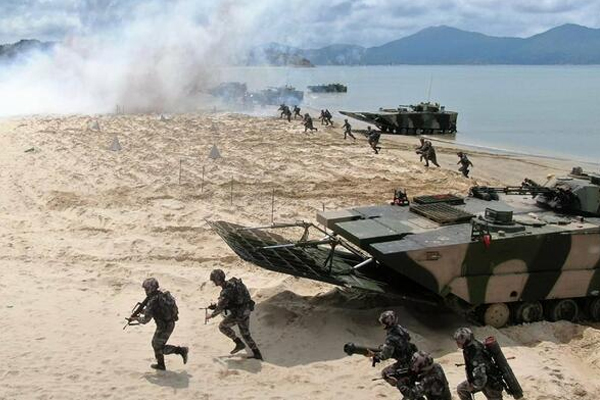
An American military intervention to prevent China from invading Taiwan would be a bloody affair for all nations involved, though the U.S. has more to lose strategically, particularly its storied Seventh Fleet. We examine the relative naval strengths of China and the U.S. and the likely scenarios under which a direct military conflict between the two would unfold in today's post: "The Eagle versus the Dragon, Part 1".
Attacking Taiwan

Attacking Taiwan: China’s Land and Sea Invasion Strategy

In the first four articles in this series, we laid the groundwork for understanding China's grand strategy for subjugating Taiwan. In this fifth article, we lay out China's likely amphibious invasion strategy, focusing on three distinct scenarios. Greymantle believes China will focus any invasion on Taiwan's southern port city of Kaohsiung in an attempt to strangle Taiwan's economy and effectively suffocate it into submission. This will be the essence of China's land and sea invasion strategy of attacking Taiwan.

Defending Taiwan: Exploring Taiwanese Military Defenses Against a Chinese Invasion
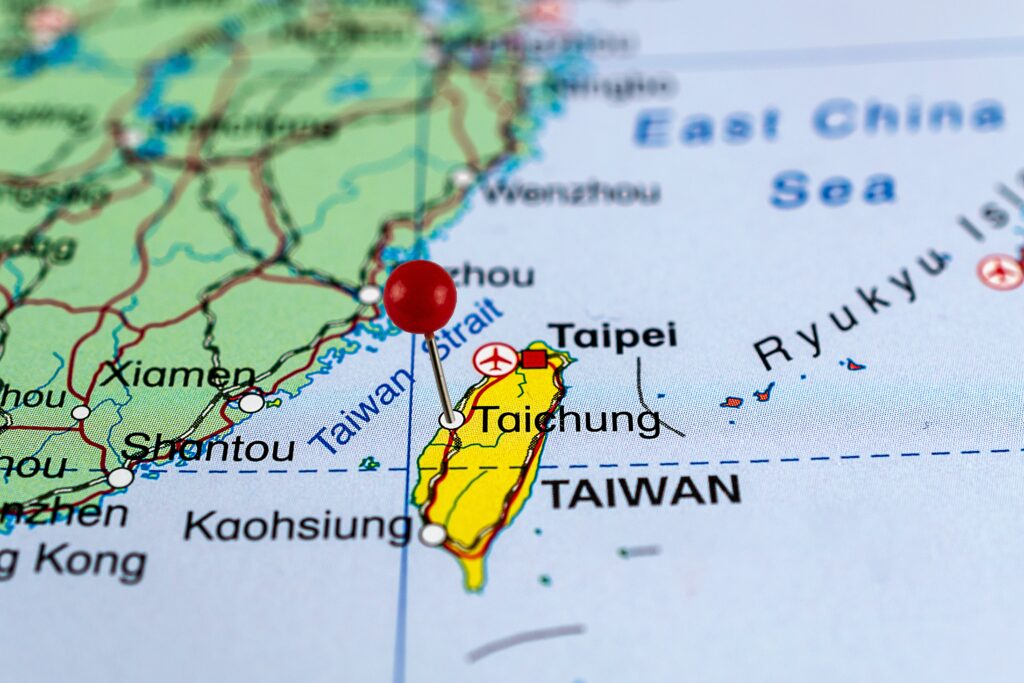
Chinese mainland forces could probably conquer an unaided Taiwan via a direct, amphibious invasion in one to two months, provided they have sufficient transport ships (currently, they don't). Taiwan, however, has the ability to exact staggering financial and military costs on China that could make such an invasion unaffordable. In this new article, fourth in a series, we set our focus on exploring Taiwanese military defenses against a Chinese invasion. Read on!

Invading Taiwan: Is China’s Amphibious Toolbox Big Enough?
For three decades, China has been busily assembling one of the largest amphibious naval fleets in the world tasked with one overarching mission: invading Taiwan. Construction of this fleet and planning for an invasion - should a blockade fail - are now in advanced stages. But the central question remains: Is China's amphibious 'toolbox' now big enough to do the job?

Taking Taiwan: Chinese Naval-Blockade Options

From Beijing’s viewpoint, an air/sea blockade has distinct advantages over a direct cross-strait, kinetic invasion. After all, the point is not to obliterate Taiwan, but to fold it neatly into China proper – of course, without its current government.If China can pull off a blockade of Taiwan without drawing a major U.S. economic and military response, it will be a stunning victory, while also shrinking U.S. prestige as protector of the Western Pacific.

Is China’s Navy Ready for ‘Blue Water’?

For decades, Americans have believed their nation boasts the largest navy on earth and that it dominates the world's seas. Half of that belief is no longer valid, and the other half may now be debatable. The big question is: Is China's navy ready for 'blue water'?

Subscribe To Our Newsletter