Robert Cox

Contributor

Robert Hill Cox graduated from Harvard College with an honors degree in history and literature. He then worked and lived in Egypt, under the auspices of the Cairo Fulbright Commission, where he taught English at El Minia University. He has traveled extensively through Europe, Africa and Asia.

The RSF Comes for Khartoum

The RSF Comes for Khartoum: Understanding Sudan’s Genocidal Civil Wars, Part 3

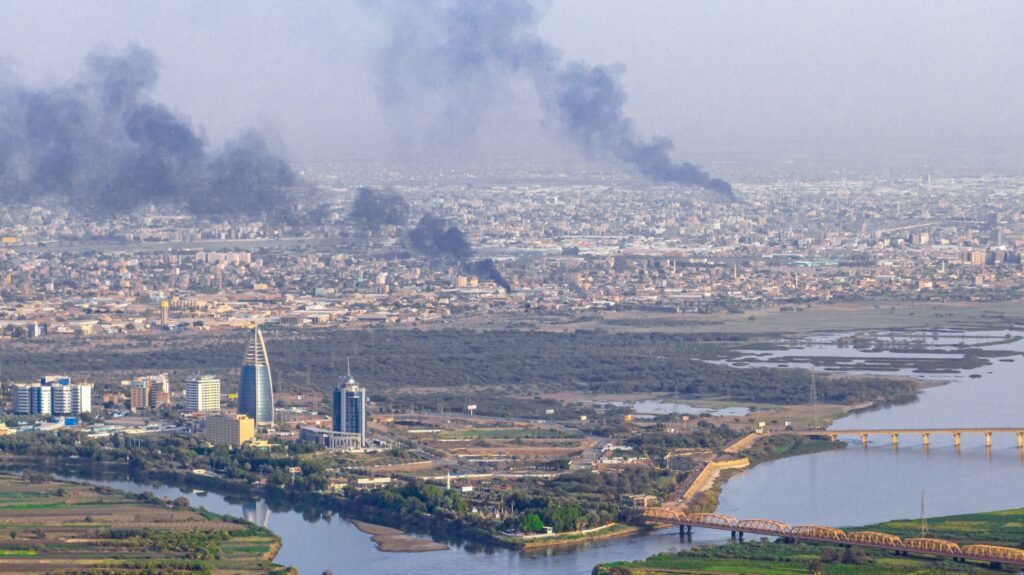
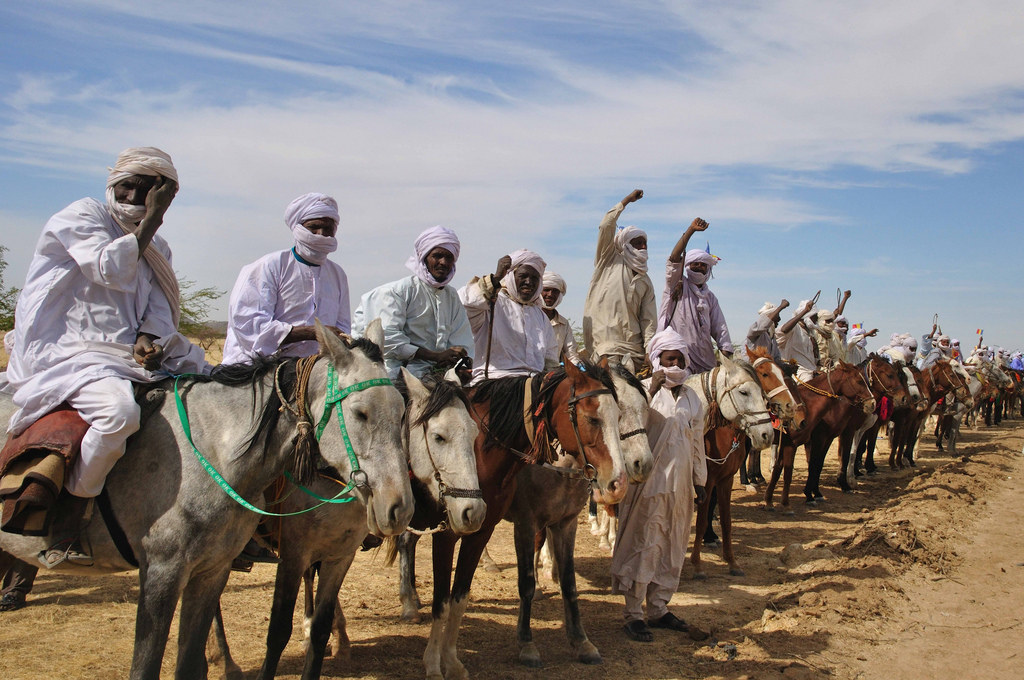
Sudanese leaders had gradually beefed up the rag-tag Janjaweed militia, transforming what had begun as groups of semi-organized raiders on horseback into the RSF - a fully equipped adjunct to the Sudanese military. But after decades of expanding its operational capabilities, the RSF decided it wanted to be more than the tail that wags the dog. In 2023, the RSF launched an all-out bid for power that plunged Sudan into its third civil war. We explain what happened, and why, in "The RSF Comes for Khartoum".
Understanding Sudan's Genocidal Civil Wars

Devils on Horseback: Understanding Sudan’s Genocidal Civil Wars, Part 2

Sudan showed signs of fissure from the start. Those in the South were afraid of being handed over to people who for years had done little but try to enslave them. As if to confirm their suspicions, only 8 out of 800 government positions during the 1956 independence negotiations were reserved for southerners. If our goal is understanding Sudan's genocidal civil wars, then the profound disconnect between an Arab, Muslim North and a Christian/Animist and African South can't be overemphasized.
Broken from the Beginning

Broken from the Beginning: Understanding Sudan’s Genocidal Civil Wars, Part 1

As recently as the early 1980s, Sudan seemed to have everything going for it as far as a Third World country was concerned. Its assets included a favorable location for international trade, regional allies, a well-educated elite, and the promise of oil revenue. What went wrong? This three part series: "Broken from the Beginning: Understanding Sudan's Genocidal Civil Wars" is an attempt to explain the causes of Sudan's present catastrophes.
The 1924 Immigration Act Wasn't All Bad

Don’t Quote Me on This, But The 1924 Immigration Act Wasn’t All Bad

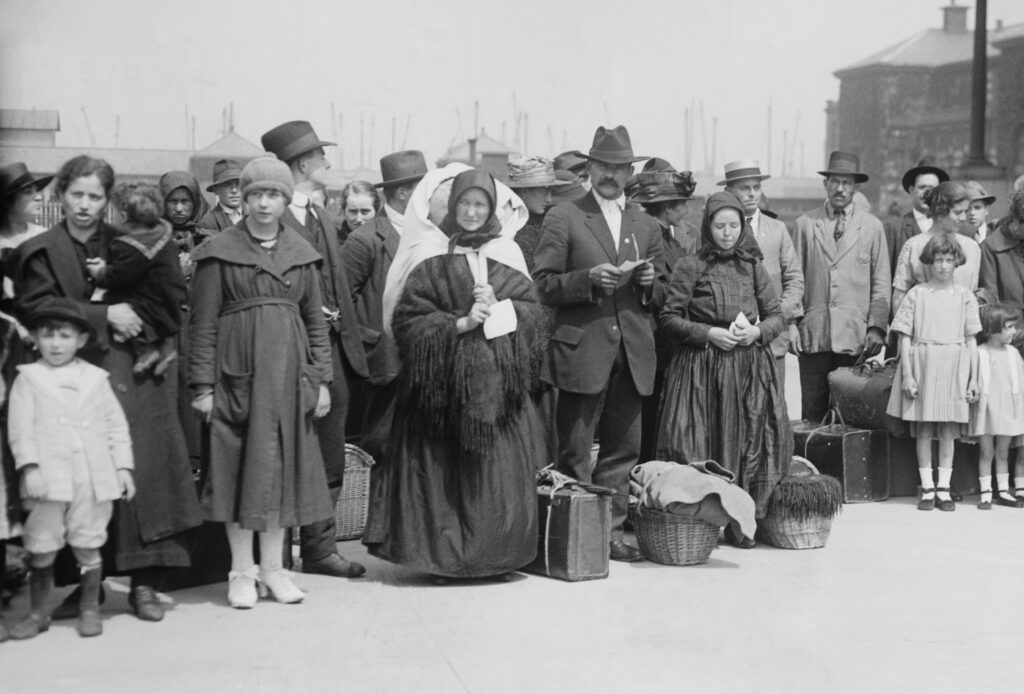
For a country that takes pride in being a “nation of immigrants,” the United States is surprisingly bad at passing good immigration legislation. The 1924 National Origins Act, which tightened a set of quotas that had been introduced three years earlier, did one thing extremely well, however: it reduced overall immigration dramatically. In that narrow but important sense, the 1924 Immigration Act can be called a success.
Del Toro's Frankenstein, AI and the West's 'Religious Moment'

The AI Revolution versus the Chip Revolution: Six Reasons We’re Not Having Fun This Time

The AI revolution that began in 2022 is reminiscent of the microchip / personal computer revolution of the late 1970s. A new technology created by Silicon Valley is quickly transforming our lives. But the AI breakthroughs of the 2020s feel fundamentally different from the last tech revolution. The spirit of optimism and democratization of the economy is gone. In their place, the pessimism and mistrust of our own era have infected AI's swift conquest of corporate and personal life. This week, we focus on "The AI Revolution versus the Chip Revolution".
Student Radicalism at Columbia

Columbia’s Student Radicals, 1968 vs. 2024: Will the Protests Matter This Time?

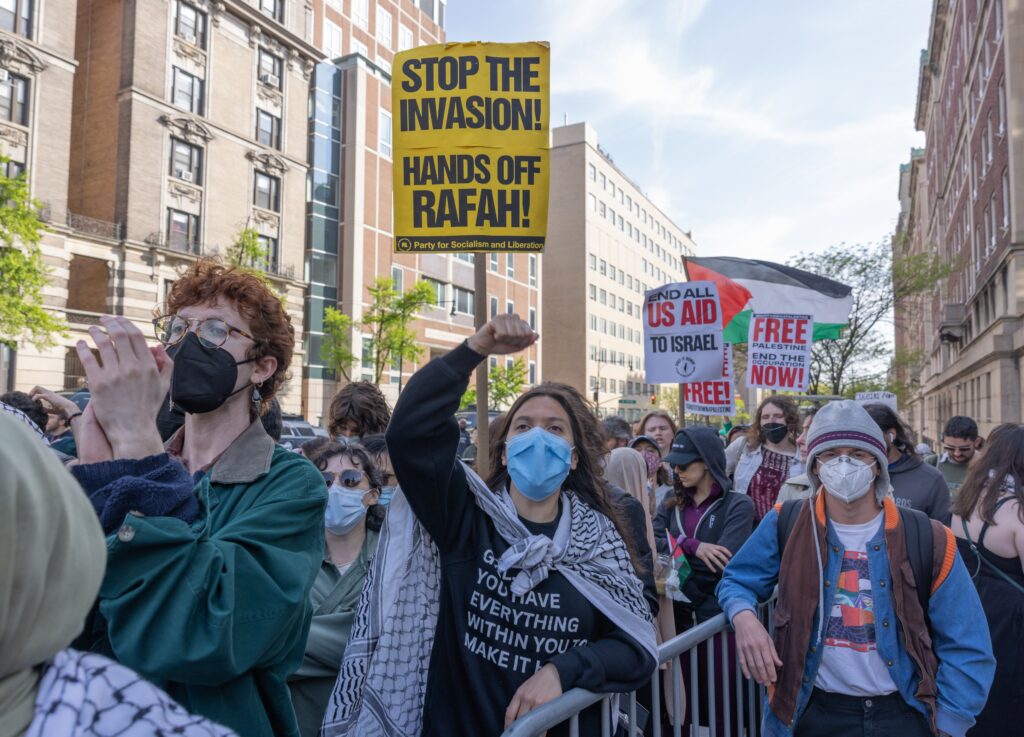
Student radicalism at Columbia University has a storied history going back to 1968, when a massive student uprising shut down the college. Despite the media frenzy connected with today's student radicals, the 2024 protests were smaller and far less disruptive than those of 1968. But given a broader and more committed core of student activists this time, could the longer-term effects potentially be greater?

Subscribe To Our Newsletter