Key Takeaways
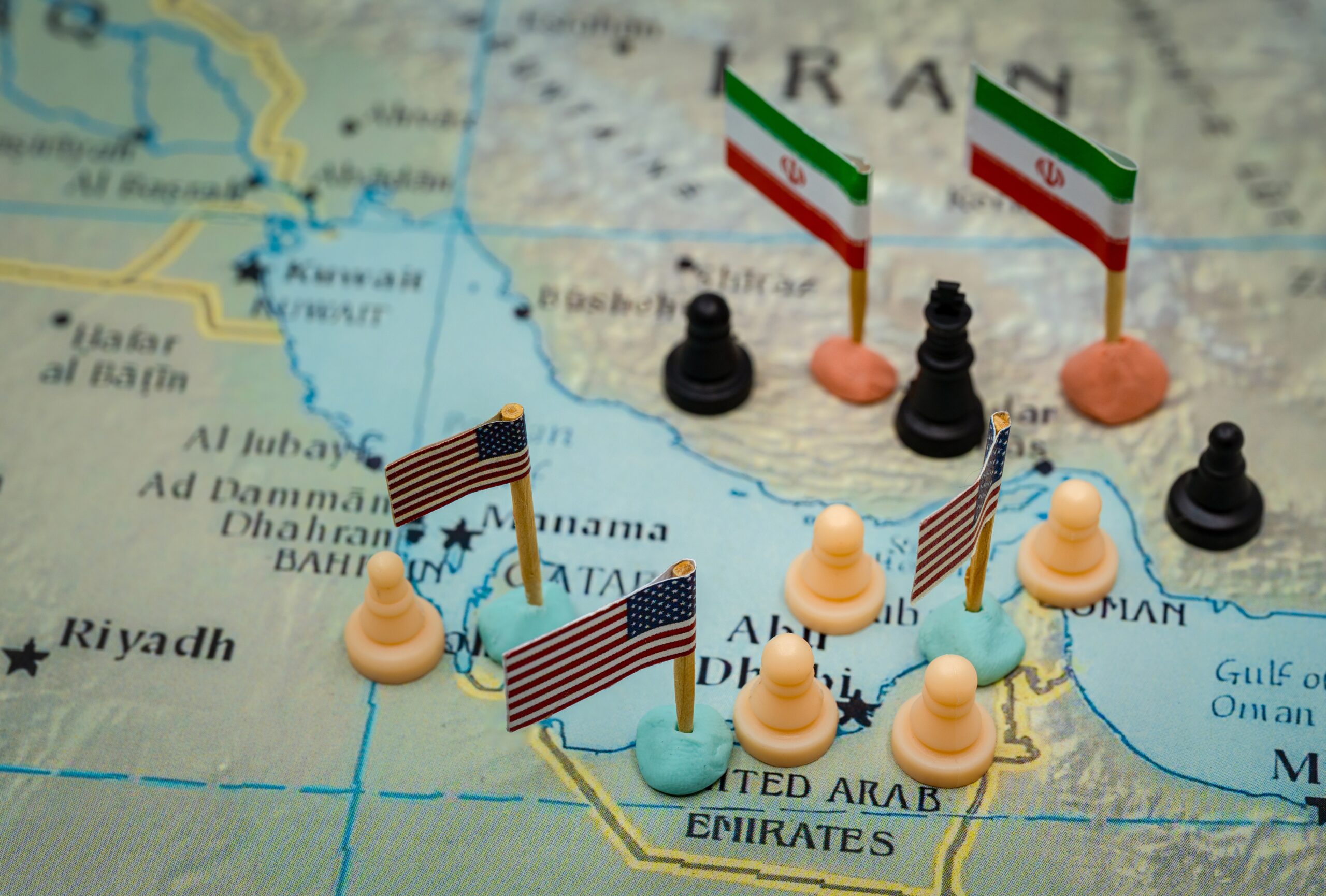
- U.S. military deployments to the Persian Gulf are raising speculation about potential ground operations near the Strait of Hormuz.
- Seizing Iran’s primary oil export hub at Kharg Island could trigger severe global energy disruptions and escalation risks.
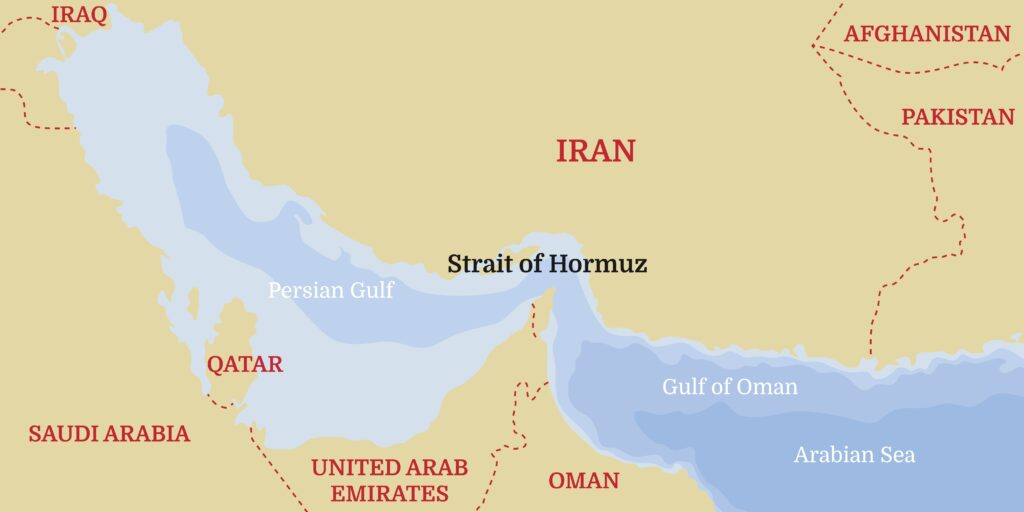
- Strategic islands such as Abu Musa and Qeshm play a central role in Iran’s missile, drone, and maritime control of the Strait.
- Even a successful U.S. island seizure may fail to reopen commercial shipping lanes due to modern drone warfare and insurance risks.
Introduction: Ever-Shifting Objectives
In recent days, the Trump administration has begun deploying additional American ground forces to the Persian Gulf, including multiple Marine Expeditionary Units and airborne infantry formations. The buildup raises an obvious question: what exactly are these forces meant to accomplish?
Public rhetoric has focused on reopening the Strait of Hormuz and restoring global oil flows, but operational options available to the United States appear more complicated—and potentially far more dangerous—than political messaging suggests. In our view, the administration has no good options for putting boots on the ground in Iran, hence our title “No Good Options 2: Seizing the Strait of Hormuz Islands – To What End?”
This analysis examines several of the most frequently discussed U.S. military objectives, including a possible seizure of Iran’s key oil export hub at Kharg Island and the capture of strategic islands controlling the Strait of Hormuz. Each option carries serious risks, uncertain strategic benefits, and the chance of triggering wider economic and military consequences across the Gulf region.
Ultimately, the central dilemma facing Washington is not whether the United States can seize territory near the Strait of Hormuz. The real question is what such an operation would achieve—and whether the cost in blood, escalation risk, and global economic disruption would outweigh any temporary tactical advantage.
Added to the MEU (Marine Expeditionary Unit) that is now in the Central Command area (2,250 marines), there soon will be a second of similar size, due there in mid-April. In addition, a “ready brigade” of 3,000 combatants, who are paratroopers/helicopter-borne light infantry has been ordered to the region.
Beyond that, there are unconfirmed reports of 10,000 additional soldiers being readied to join these forces. Of course, the ever-shifting timeline of the war so far prevents an arrival estimate.
What Are the Possible U.S. Missions?
How does the administration plan to utilize these troops?
Three possible missions loom large:
- Seizing Iran’s premiere oil shipping depot of Kharg Island
- Neutralizing or taking Iran’s ‘strategic anchor’ in the Straits — Qeshm Island
- Seizing the island of Abu Musa to disrupt Iran’s Straits defense posture
Comparative Strait Island Postures: Qeshm vs Abu Musa, Larak, Hormuz
| Island | Size / Population (approx.) | Role in Iranian posture | Likely focus |
| Qeshm | Huge (~1,500 km²; ~149k) | Strategic hub, “missile city,” logistics and command node | Long‑range missiles, logistics, C2, IRGCN bases |
| Abu Musa | Small (~12 km²; few thousand) | Forward outpost near main shipping lane | Coastal missiles, radar, small‑craft / fast‑attack presence |
| Larak | Very small (~50 km²; low pop.) | Close‑in island facing main channel | Mines, fast boats, coastal missiles, observation |
| Hormuz Island | Small (~42 km²; few thousand) | Symbolic and geographic chokepoint at the narrows | Surveillance, coastal defense, limited missiles / boats |
A Kharg Island Seizure Would Entail Stupendous Risks
There has been much talk about seizing Kharg Island, Iran’s main export hub and oil refining site. President Trump seems almost obsessed with seizing this oil-shipment hub probably to strengthen his hand in negotiations with Iran. The U.S. air campaign has targeted Kharg’s military sites, but not its oil-industrial complex. It has apparently decided to hold off – for now – on a major Iran oil infrastructure attack.
Nevertheless, Kharg is more than 400 miles from the Strait of Hormuz proper, located off the coasts of Iran and Kuwait. If opening the Strait to oil export traffic again is the administration’s goal, then it’s difficult to see how Kharg’s seizure brings the U.S. any closer to achieving that outcome.
Additionally, there is little point in capturing and holding Kharg with the aim of hobbling the Iranian economy. If President Trump does order the military to capture and occupy the island – which is feasible with the force that has been assembled — resistance would be fierce and bloody. As mentioned, the site is close to the mainland; incessant drone/missile attacks from numerous sheltered or mobile launchers can be expected under any Kharg Island occupation scenario.
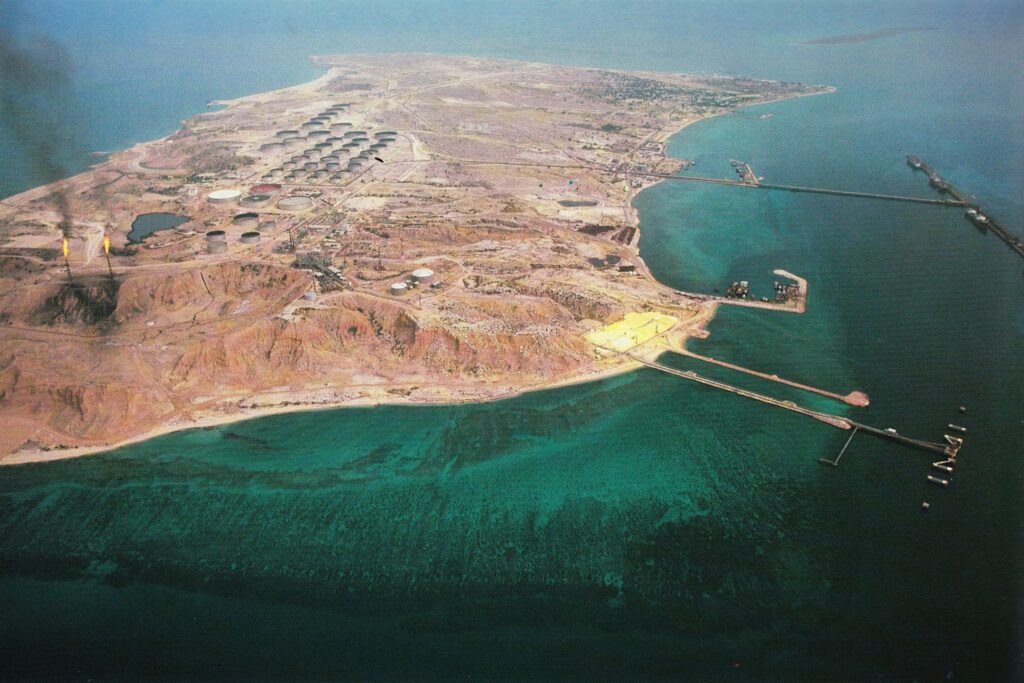
Indeed, it is possible that much of the refinery/port complex could be destroyed – either during the initial combat required to size the island, or by sabotage. Such a disaster would probably compound the global energy crisis for months – or even years.
In turn, this catastrophe might well provoke even more unrestrained counterattacks on neighboring Gulf nations’ refining plants, oil fields, storage sites, and desalination operations. Capturing Kharg Island thus would be supremely counterproductive. That being the case, what should the strategic goal of the United States be at this point in the conflict?
In Greymantle’s view, the main strategic thrust of the United States should instead be to significantly degrade Iran’s missile, drone, or naval, and sea /mining capabilities around the Straits of Hormuz. This would eventually allow the U.S. and Israel to exploit the resulting Iranian strategic vulnerabilities.
If such a degradation of Iran’s offensive capabilities can be achieved, that is.
Qeshm Island: Iran’s Strategic Anchor in the Strait
Sitting a couple of miles off the enemy coastline, Qeshm Island dominates the western entrance of the Straits of Hormuz. It is 540 square miles in area and extends 15 miles farther than Long Island, NY. The civilian population runs about 150,.000.
Despite its strong strategic position, Qeshm is too large and populous to be captured, much less held, by a modestly sized (two MEUs and an airborne brigade = 7,000 + troops) invasion force. A lodgment at one end would be feasible, however. This operation would be as heavily contested as any attempt on Kharg.
Qeshm is not considered to be a fortress, unlike the smaller Strait islands of Abu Musa and Larak. Nevertheless, it hosts the following:
a) Iranian Revolutionary Guard Corps (IRGC) Naval detachments;
b) coastal defense teams, hardened bunkers, with plenty of detection, communication, and cyberwarfare equipment; and
c) lots of drones and short-range anti-ship and anti-air missiles.
Open sources have also described an impressively extensive underground “missile city” that is a manufacturing and storage hub for the aforementioned missiles and drones, as well as for rockets, shells and other weapons.
Qeshm serves as Iran’s strategic “anchor” and supply depot on the Strait. The smaller outer islands of Abu Musa, Larak, and Hormuz function as forward fortresses that help thicken Iran’s kill zone and surveillance net. Together, the four islands (backed by dense layers of mainland launch sites) extend complete control over the mid-Strait passages. To neutralize them all would require a lengthy U.S. Persian Gulf military occupation.
Abu Musa: The Best Bang for the Buck…
If the President’s military advisors can somehow get him over his Kharg Island obsession and highlight the difficulties of the Qeshm option, the most obvious strategic target becomes Abu Musa.
This island overlooks the western Strait approaches and is 4.63 square miles, or a bit larger than the Florida vacation paradise of Key West. Abu Musa is a crucial part of Iran’s “defensive arc” of seven islands controlling the Strait. The island lies about 81 miles from Qeshm’s coast and a little more from the mainland, which would make military forces there hard to resupply if they were cut off by American encirclement.
…But Still A Hard Nut to Crack
Abu Musa appears to be the most feasible and valuable target for the U.S. force at hand to capture, but this does not mean it will be easy to take. The island is densely defended, with hardened bunker sites, lots of mobile systems, and layers of anti-access/area-denial (A2/AD) assets.
IRGCN headquarters there coordinates fast-attack craft sorties and minelaying operations, as well as drone/missile strikes. As one would expect, there is also plenty of storage for anti-ship/anti-air missiles, drones, and ammunition. (israel-alma.org).
More specifically, the Iranians have deployed the 15th Khordad rapid-setup air defense system on the island. It is capable of engaging both stealth aircraft and UCAVs, as well as cruise missiles; the system can also track six targets simultaneously. This system significantly complicates helicopter use.
There appeared to be dozens of coastal anti‑aircraft guns that may remain operational as of late March 2026; enough of these could create a lethal low‑altitude envelope against rotor or fixed-wing insertions, although further attention from US air elements could nullify that threat.
At present, Abu Musa’s only airplane runway remains intact. It appears to have been purposely been spared from U.S. airstrikes, presently allowing Iran to land small transports or disperse assets. The runway’s survival suggests that the U.S. is keeping ground-force seizure of Abu Musa alive as an option (i.e. the U.S. may want to supply its own troops by air, if the opportunity arises).
Boots on the Shore
Given Abu Musa’s defensive array, Greymantle believes that an MEU should be the preferred insertion force because it could land at dispersed, flexible locations on the island while being less vulnerable to Iran’s air-defense remnants.
Moreover, the Marines can sustain themselves better ashore than an airborne battalion because of smoother coordination with on-call, nearby naval support units, including vessels providing warplane, gun, and missile fires. Finally, the MEU has the ability to deploy both heavy armored vehicles and breaching equipment to take on Iranian bunkers or tunnel entrances.
We can safely assume that the United States and Israel would maintain air dominance over Iran’s airspace.
This allows intensive SEAD activities to be conducted against radars and SAMs on Abu Musa, other Strait islands, and the mainland itself. The above acronym essentially describes operations that are initially used to suppress and disrupt enemy radars/electronics/communications. Follow-up missions would then use kinetic strikes: anti-radiation missiles (like AGM88 HARM), precision bombs (e.g., JDAMs), or other munitions.
These operations require supporting aircraft to penetrate or stand off from defended airspace to kill the enemy systems outright. Of course, the American military would simultaneously conduct cruise missile and air strikes on known Iranian missile batteries, boat pens, and command posts.
Air Dominance Isn’t What It Used to Be
Nevertheless, air dominance isn’t what it used to be — not in the age of numerous short- range missiles and cheap, multi-ranged war drones. The Iranians will be able to maintain resistance nodes, even after severe U.S. bombing and electronic disruption.
A close air overwatch would cover Abu Musa, but American landing units would still face surviving onshore hostiles, as well as scores of other types of attack from Qeshm, the Strait islands, and the mainland.
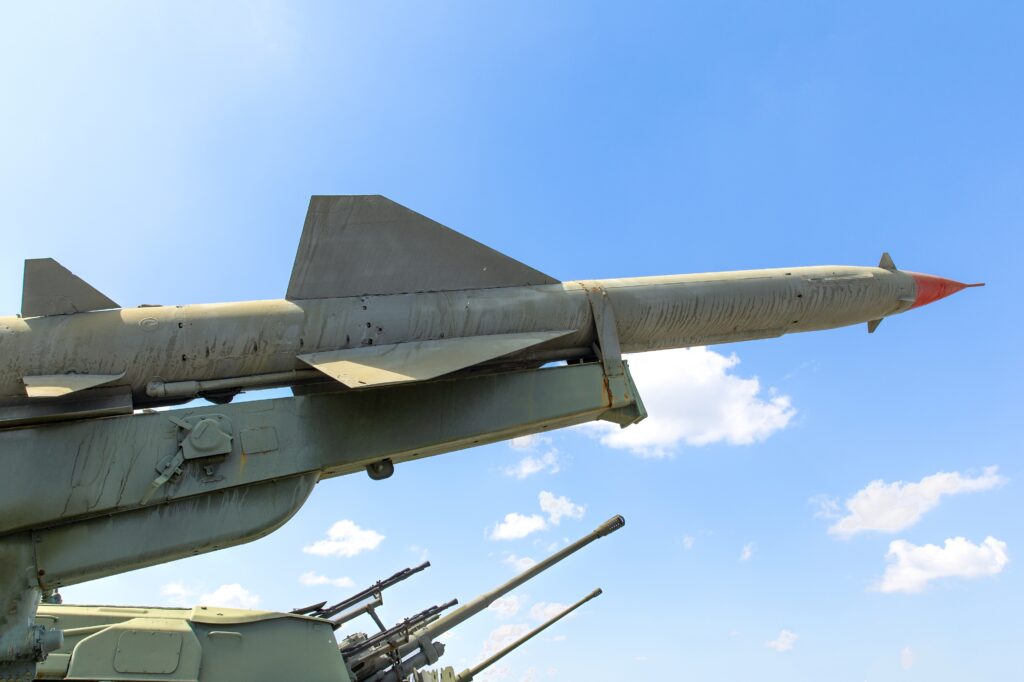
Expected assaults would include the following:
- Persistent missile and unmanned aerial vehicle (UAV) strikes the moment U.S. troops approach the island.
- Concealed missile launchers in hidden bunkers on distant Iranian shores.
- Persistent anti-aircraft attack (AAA) remnants, making helicopter operations extremely dangerous.
- Even (suicidal) fast-boat swarms, shoreline-fired torpedoes, and surreptitious minelaying,complicating amphibious approaches.
Lodgment Secured…Kind Of
Within days, Marine insertion zones on Abu Musa’s coastline will be established. Nevertheless, the troops would still be facing a stubborn foe. They would have to initiate a counter-tunnel fight, requiring engineers, special operations forces, and precision munitions to focus on entrances to underground complexes.
Fully clearing a tunnel network, however, is slow, dangerous, and manpower intensive. Even the support elements would be under continuous fire. Fuel, ammunition, water, and medical care must flow across the beachheads or through a small port, all under constant threat.
The Americans will then have to establish or convert hardened positions, as well as counter-battery radars and their own land-based air defenses. This isn’t the clean, “take-‘em-down from 25,000-feet” warfare that the administration has been chest-pounding about at the beginning of March.
This is damned bloody work…and casualties will be mounting all the while, on the sand, sea, and air.
Begging the Question: What Are the Ground Troops Really For?
So, is this the best use of our ground troops: so we can capture a key Strait island? How long do we intend to keep it…and pay over and over in blood and treasure to do so? And to what strategic end? Is the ultimate objective Iran oil exports disruption? If so, then why not declare it the objective?
The first article in this series that Greymantle posted, written by Dr. Alex Stavropoulos and published on March 30, was entitled No Good Options: Prospects for a U.S. Ground Invasion of Iran. It clearly presented the dangers and strategic futility of using U.S. ground forces in several likely scenarios as a tool to induce Iran’s government to accept the Trump administration’s surrender terms.
Seizing a Strait island may not be the target the administration will ultimately choose. But, as of today, this guess is as good – or better – than any. Nevertheless, the operation that Greymantle has examined here is at least manageable with the troops on hand, while avoiding potentially catastrophic secondary effects, unlike invading Kharg Island, or mainland Iran, as discussed in our earlier article.
The True Chokepoint: Maritime Insurance Costs in the Age of Drones
Yes, establishing a U.S. base on Abu Musa would disrupt the layered, tight military grip that Iran has on the Strait of Hormuz. Yes, a U.S. force there would allow almost microscopic monitoring of Iran’ maneuvers on the opposite shore.
But an American facility would not, and could not, ensure the safe passage of any commercial vessel through this narrow passageway – or at least not enough to calm their maritime insurance underwriters.
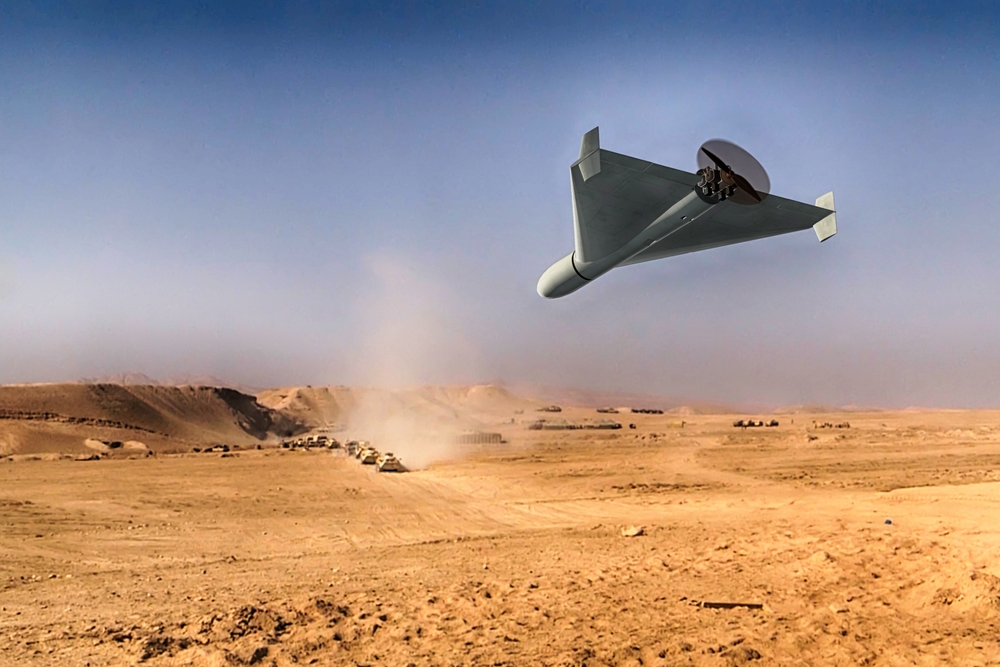
The tactical revolution made apparent by the advent of unmanned drone warfare in Ukraine and other contemporary theatres of battle has tipped the scales. Those scales now favor an irregular warfare that can be carried on cheaply for a long time. Iran is obviously better at that kind of conflict than is the United States.
Is this threat of ground war all some kind of enormously costly bluff to bolster the President’s strident threats?
Greymantle repeats the question asked in the earlier article: Why, in the name of God, is this administration bringing thousands of U.S. soldiers into the Persian Gulf?
Does it even know?
Until next time –
Richard Jupa