March 26 (Reuters) – ‘The Pentagon is looking at sending up to 10,000 additional ground troops to the Middle East to give President Donald Trump more military options even as he weighs peace talks with Tehran, the Wall Street Journal reported on Thursday, citing Department of Defense officials with knowledge of the planning.
As of today, we don’t know whether reports like the one cited above are merely a part of President Trump’s negotiating stance vis-a-vis Iran or a prelude to some large U.S military operation now being planned if Trump’s negotiations are stiff-armed by the angry Iranians.
Last Friday, March 27, New York Times columnist Michelle Goldberg pointed out: “Despite all the reasons America shouldn’t escalate its war with Iran, there’s a good chance it will. Trump is sending thousands more troops to the Middle East, and in the past, when he’s massed military forces outside a hostile country, he’s used them”.
True enough.
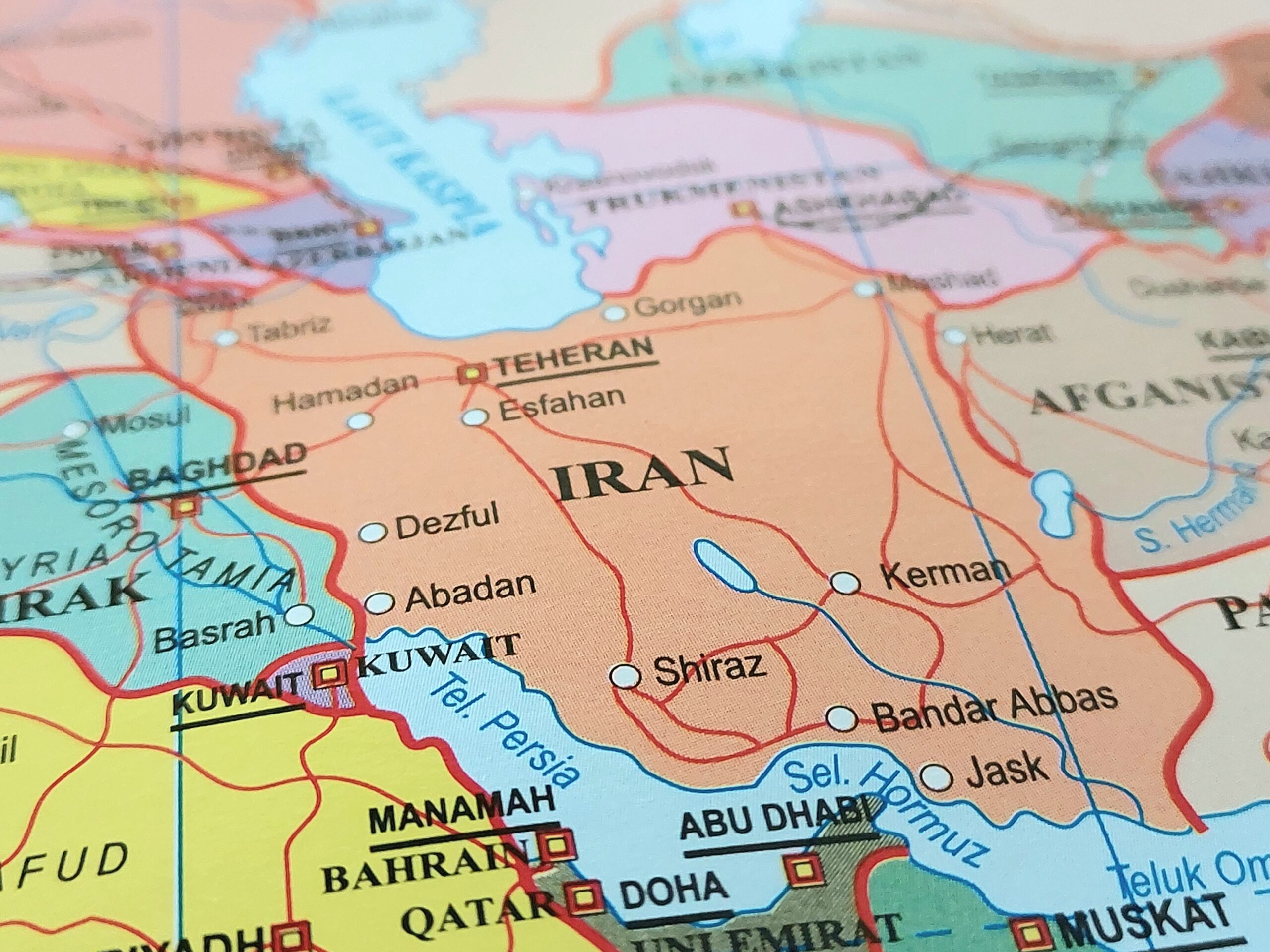
U.S. military analysts are now attempting to assess the feasibility of invading Iran militarily along the Strait of Hormuz. What many analysts of a hypothetical U.S. invasion seem to be largely ignoring, however, are the range and likelihood of Iranian responses.
A consideration of those potential responses, which we briefly dissect below, has led us to the conclusion that there are, in fact, no good options for the U.S. military as it considers putting ‘boots on the ground’ on the Iranian side of the Strait.
There are inevitable trade-offs to be considered in every operational plan and in every war. The troubling fact about a potential U.S. invasion of Iran’s coastline is that the trade-offs all seem to skew sharply negative after the initial landing has been achieved.
The Likely Iranian Reaction
What happens if the U.S. invades Iran?
Among other risks, the entry of American soldiers onto Iranian soil could potentially ignite an incendiary patriotic reaction amongst the Iranian population, with thousands willing to volunteer to expel “the Great Satan” from their territory. Even under the auspices of a regime that most Iranians have come to despise, populist patriotism can still well up, inundating political grievances – at least temporarily.
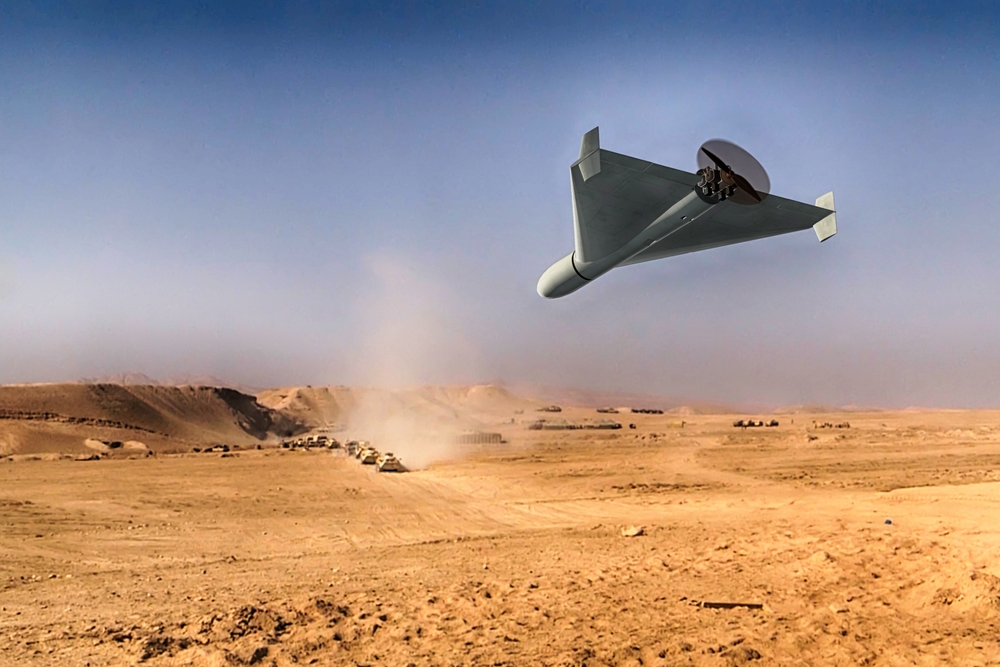
Wherever U.S. troops land on Iranian soil, they will immediately become the focus for much of Iran’s remaining firepower – including ‘drone-power’ – as well as major reserves of manpower. A report from Reuters as of March 29 indicates that only one-third of Iran’s missile reserves have been fired or eliminated by U.S. and Israeli strikes and Iranian launches, despite optimistic reports by the U.S. Secretary of War.
The initial U.S. landing force would also, in all likelihood, be fairly modest in size. The United States would need several weeks, at least, to mobilize corps-sized force (i.e. 20,000 to 45,000 troops and support elements) to spearhead a serious invasion of Iran, which could only be done effectively through Iraq or Kuwait.
A mass landing along Iran’s coastline would be extremely vulnerable to Iranian missiles and drones. “Air dominance” is not what it used to be now that the world’s militaries have entered the Age of Drone Warfare. No air force, even the best, can fully dampen the tactical danger of easily manufactured tactical drones numbering in the hundreds or thousands, as the war in Ukraine has demonstrated.
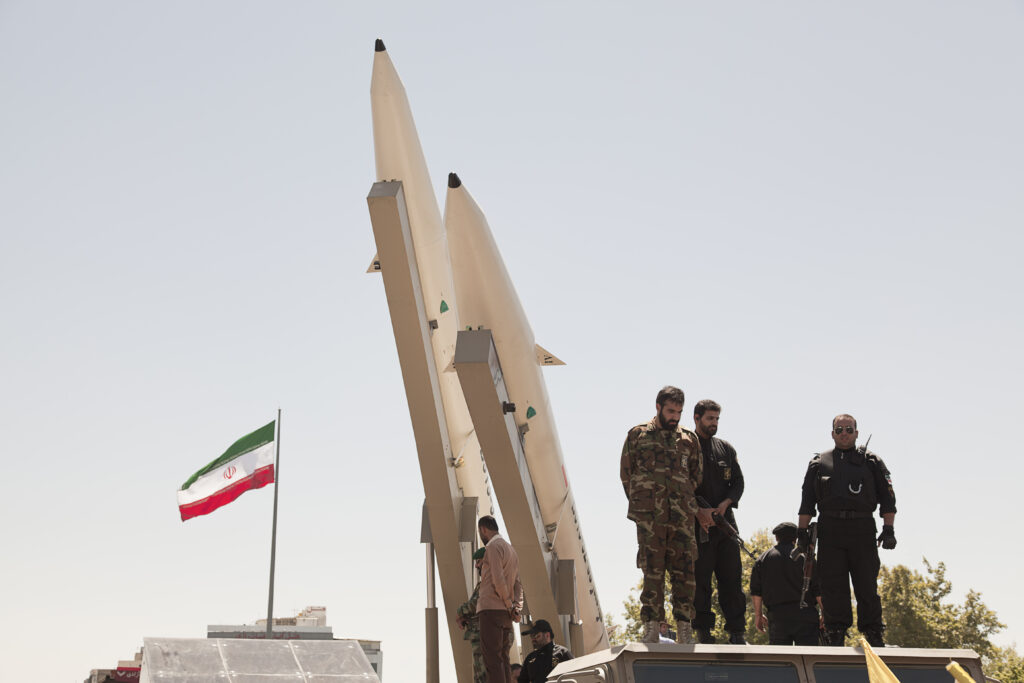
But unlike Saddam Hussein’s Iraq in 1990, Iran will not sit idly by and wait for the U.S. to deploy a massive invasion force against it at America’s leisure; Iran will actively attack the ports and airports in the Persian Gulf through which the U.S. would move its army. It has done so already. The high likelihood of more attacks on military and civilian infrastructure in the Gulf must be factored into any U.S.-Iran War strategy analysis.
Iranians Possess Considerable Force Generation Capacity
The Iranians have taken their old enemy Saddam’s tactical mistake in 1990 as an object lesson in the dangers of over-caution (the Iraqis also did not possess the Iranians’ great store of missiles in 1990).
In our view, and likely in the Iranian Revolutionary Guard Corps (IRGC) high command’s view, Saddam Hussein made a critical error in 1990 by not advancing from Kuwait into Dharan in Saudi Arabia and seizing the main Saudi oilfields. He could then have negotiated with the Saudis and Americans from a position of strength.
An interesting hypothetical in a world full of them…
And even if the U.S. military does succeed in bringing a large ground force (e.g. 25,000) into Iran proper, it would be outnumbered by the combined ground forces of the IRGC and regular Iranian army:
- Total active duty personnel (all branches) ~ 570,000
- Active troops in some expanded assessments ~ 610,000 (includes IRGC forces)
- Reserve personnel ~ 350,000
- Paramilitary forces (Basij militia) ~ 40,000 formally listed, but can mobilize far more
The above totals include Iranian air and naval forces.
However poorly equipped and led compared to the Americans (who may still be puzzled why they are there), these Iranians will be fighting to defend their country, whatever they think of its regime. Moreover, our men may face a hostile local population eager to act as ‘spotters’ and intelligence assets for their countrymen.
Another Threat: Mobile Missile Launchers and Aerial Drones
In the most likely ‘boots on the ground’ scenario — in which the U.S. uses a smaller force to seize key strategic islands in the Straits of Hormuz or establish a lodgment on the Iranian coast — there are several weapons and tactics which the Iranians could use effectively against any invasion force.
First, multiple publications have pointed out that Russia has provided Iran with advice and training on how to use the latest-generation aerial drones, which the Iranian military would use to saturate the air space over American marines or infantry. Aerial drones have proven to be quite deadly to infantry in the ongoing Russia-Ukraine War.
We expect Iran would use multiple types of kinds of drones that are being used effectively by both sides in Ukraine, including fiber-optic drones that cannot be electronically jammed, as well as drone swarms intended to overwhelm countermeasures. Russian intelligence and AI will be of useful service to Iran.
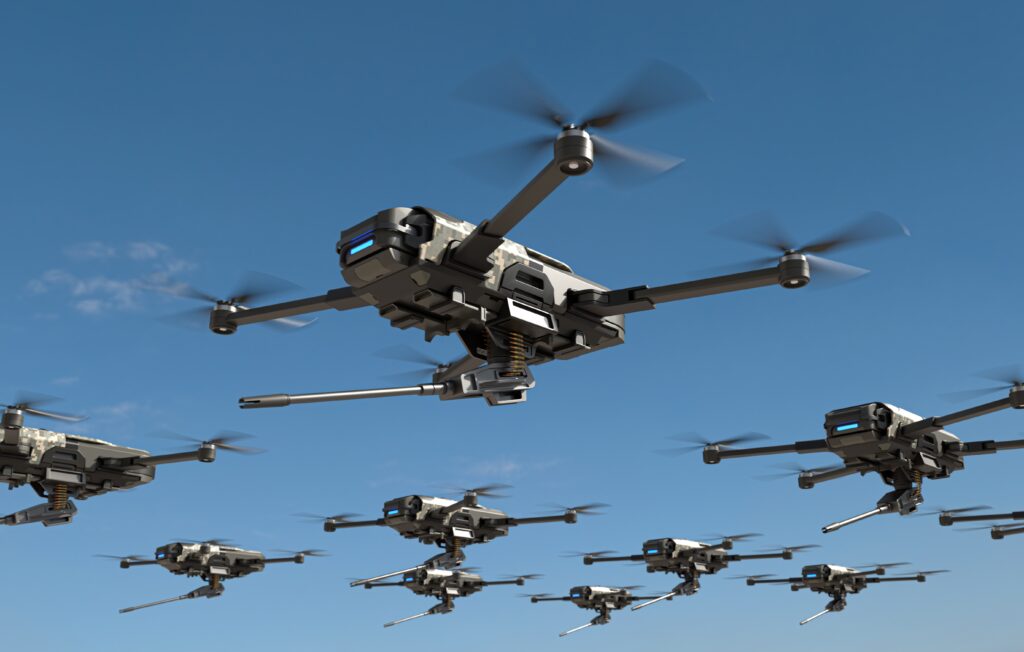
Another option for Iran would be to use its cluster short- and intermediate-range ballistic missiles (SRBMs and IRBMs) to “carpet bomb” whatever exposed beachhead on which the Americans choose to land.
Even if the initial landing American is successful, Iran’s aerial weapons would make it exceedingly difficult for the U.S. to bring in supplies to maintain its force, especially given the fact that Iran has either destroyed or badly damaged much of the port and airport infrastructure of the Persian Gulf through which U.S. supplies would have to flow.
Kharg Island: A Diplomatic, Not An Operational, Bet
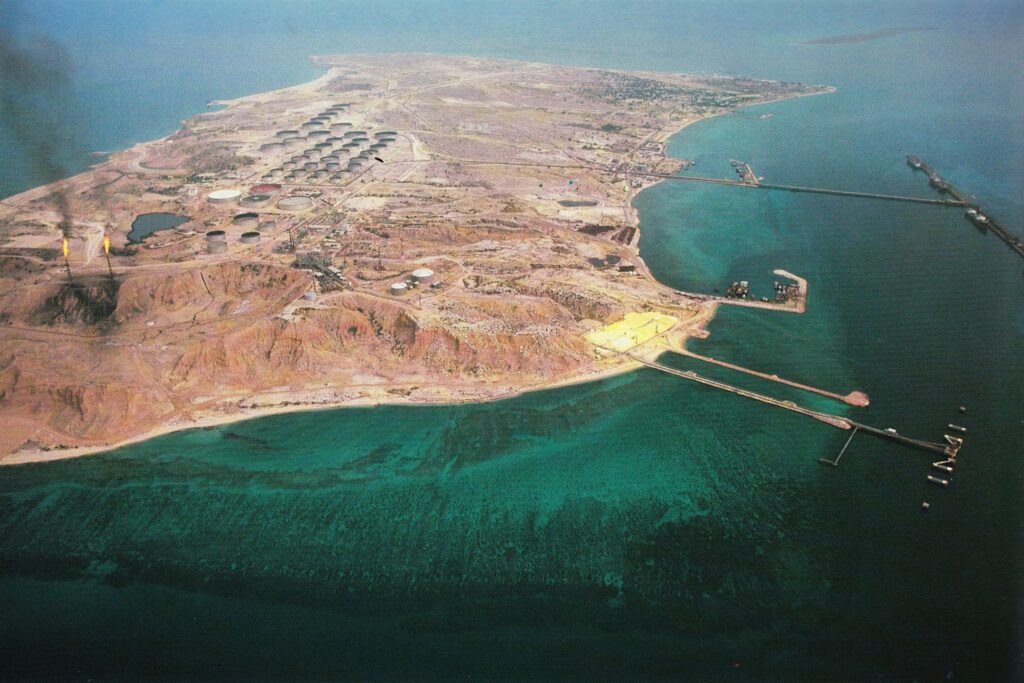
The oft-mentioned Kharg Island is too far up the Strait of Hormuz to be a realistic option. The Trump administration may believe it will make a crucial bargaining chip in any negotiations to end the war, however.
That’s because Kharg Island is critical to Iran’s economy — being the major shipping depot for Iranian oil exports. Kharg Island would also be easily ‘digestible’ for a U.S. seizure given its relatively small size (8.7 square miles). Taking and holding Kharg Island would give the U.S. tangible leverage in its negotiations.
There is no guarantee,however, that the determined Iranians may not choose to sabotage its vast refinery and industrial complex. The negative consequences this would inflict on the world oil supply would take many, many months to rectify. This is not a good gamble for the U.S., strategically or geopolitically.
By contrast, the U.S. ground forces that will be available in the next month, like elements of the 82nd Airborne Division, are too small to have any hope of mounting a successful large-scale operation to seize, say, Bandar Abbas, the major Iranian port city on the Straits.
Abu Musa and Chabahar Both Present Serious Drawbacks
The Pentagon has reportedly made alternative proposals to seize some of Iran’s smaller islands in the Straits, such as Abu Musa and the two Tunb Islands, but holding these islands would most likely not prevent Iran from attacking tankers trying to transit the Straits by means of either missiles – fired from mobile missile-launchers that are easily moved and hidden — and aerial and/or submersible drones.
See our upcoming “Boots on the Shore” article to be published on April 6 for a further examination of the risks inherent in taking the smaller Straits Islands, and a general analysis of the prospects of U.S. boots on the ground on the Iranian mainland.
Finally, a landing in Iranian Balochistan, near the city of Chabahar, has also reportedly been proposed.
The idea would be to link American forces with the Balochi separatists that are prevalent in that region with the aim of using them as a ‘force multiplier’ for American units. Such an effort would undoubtedly anger Pakistan, however, which has its own Balochi separatist problem.
America’s bitter 20-year foray in Afghanistan, where Pakistan’s military intelligence services trained and armed the insurgent Taliban against U.S. soldiers, will serve as an unpleasant institutional memory for the U.S. military, likely dissuading the Pentagon, and perhaps Trump himself, from choosing this option.
With a population of 100,000, Chabahar might also be too large for the division-sized force that would be required to take and hold it.
Airborne Assault Is the Riskiest Option
No large-scale opposed airborne operation has been conducted by any army, let alone any major world military since the Second World War.
The Russians’ horrific experience at Hostomel in 2022 – during the initial phases of Russia’s invasion of Ukraine was an air assault – never included paratroopers or an airdrop as part of its operational plan. Technically, it was an air assault plus an air landing operation.
There have been a few air-mobile operations in the Ukraine War, but they all have been on a very small scale; the cost in helicopters from such operations has been high.
Military conflicts since 1945 have only utilized small airborne units to achieve narrow strategic goals.
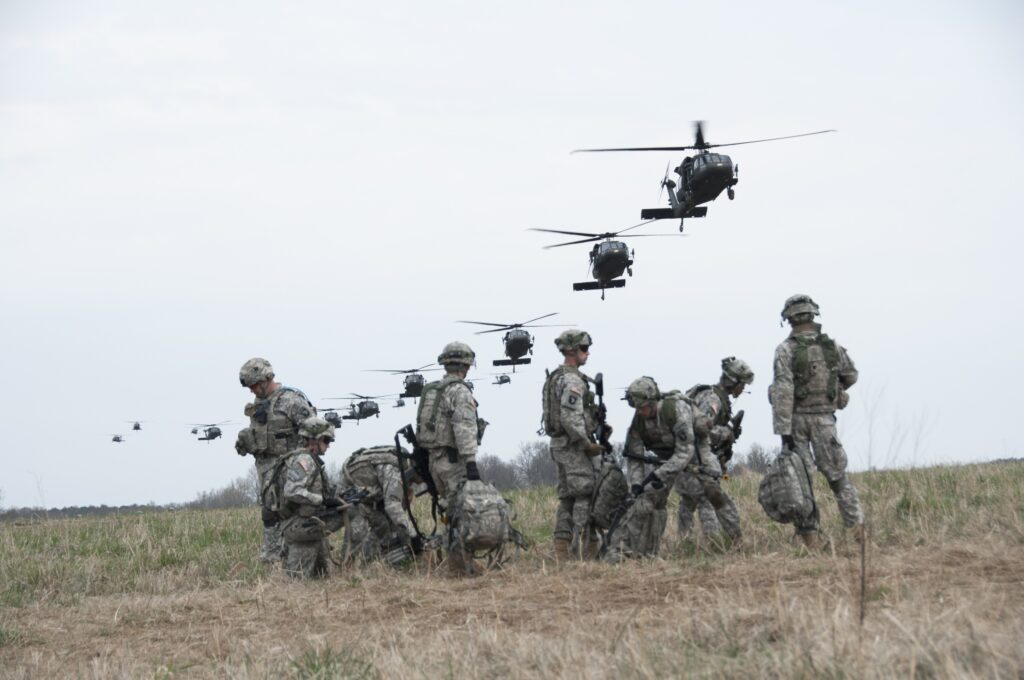
If the U.S. chose to pursue an airborne assault option into Iran, then the cargo planes that would drop the airborne force have to fly straight and level, and so would be extremely vulnerable to both enemy drones and air defense, making for a high risk of U.S. casualties – an outcome the Trump Administration is keen to avoid. Moreover, the price of this operation in American lives could become daunting.
The Bottom Line: There Are No Good Options
“Never, never, never believe any war will be smooth and easy, or that anyone who embarks on the strange voyage can measure the tides and hurricanes he will encounter. The statesman who yields to war fever must realize that once the signal is given, he is no longer the master of policy but the slave of unforeseeable and uncontrollable events.”- Winston Churchill
All likely methods of insertion of American military forces into Iran — an amphibious, airborne, or air-mobile operation — are among the most difficult operations tactically for any advanced military to pull off.
An amphibious landing would face mines, surface and underwater drones, fast boat attacks, possible diesel submarine attacks, limpet mines laid by Iranian naval special forces, and even the super-cavitating torpedo that Iran has developed. There would be a significant chance of the Marine Expeditionary Units or the U.S. Navy losing one or more ships in the landing operation.
Adversaries Will Move Quickly to Exploit American Missteps
It is also not unthinkable that units of American troops on Iranian soil could be overrun by a much larger Iranian force if the engagement were to last for months, rather than days or weeks, and latent Iranian nationalism is activated. Such a potential setback would then raise the question of hostages, as happened to the Americans in the Tehran embassy in 1979 – a harrowing and portentous memory for the United States.
The Iranian government would gain a great deal of leverage from taking U.S. military hostages.
Regardless of the combat losses suffered by the Iranians, which, given the high level of U.S. military training and weaponry, would be severe, any Iranian defeat of U.S. forces, even in a small engagement, would tarnish the idea of U.S. military superiority and hand the Iranians and their allies a moral victory of sorts. Inevitably, other enemies of the United States would be tempted to become more belligerent.
This last risk is one that has been little discussed by military analysts in print or on cable television, but is one that will quickly loom large, particularly if the People’s Republic of China perceives an opportunity to strike at U.S. interests in the Western Pacific.
For now, it is clear the U.S. military possesses the advantages of training, equipment and combat-readiness. Nevertheless, given the range of Iranian strategic options, none of the U.S.’s ground invasion options are good.
*******************************************
Alexander Stavropoulos, PhD is a lecturer in 18th and 19th century European history at the City University of New York. He has published widely on the French Revolution, the Napoleonic Wars and military strategy. Dr. Stavropoulos is also an acknowledged authority on drone warfare. He has taught at multiple universities in the New York tri-state area and is a member of the New York Military Affairs Symposium.