Key Takeaways
- AI-generated synthetic performers like Tilly Norwood, developed and promoted by production companies such as Particle6, are challenging Hollywood’s traditional approach to filmmaking.
- Production firms and studios are accelerating AI’s arrival in films, raising serious questions about employment, creative ownership and the future of human performers.
- Hollywood’s labor unions and production companies must find common ground on the use of AI, including protections for performers and control over digital replicas.
- Giving human actors ownership and control of their own AI digital replicas may offer a middle ground between technological disruption and protecting creative livelihoods.
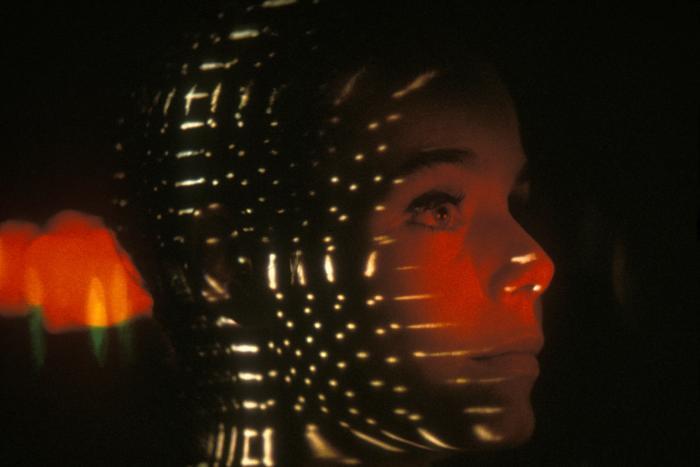
In 1981, Michael Crichton wrote and directed his fifth film, entitled Looker, about a plastic surgeon who is framed for the murders of several fashion models he had worked on.
The themes Crichton was looking to explore in Looker were common throughout his films and literary works. Namely: how technology can be misused by human beings, or how technology can get out of control on its own. Looker also tried to examine the ridiculous standards of beauty that our society has created through advertising, and it explored how television, through commercials, can manipulate the public.
At the time, Crichton said, “Television commercials are already manipulative…but what would happen if someone with more scientific knowledge began tampering with them?”
While Crichton’s attempt to delve into these questions was ambitious and well-intended, his 1981 film falls short. After a promising start, it devolves into a fairly standard thriller.
Time and technological progress have nevertheless turned Looker into a prophetic motion picture in retrospect, and one with considerable resonance for our times.
Subliminal messages in commercials are now common and public knowledge, as are internet and social media deepfakes. And thanks to AI, actors are now worried about being replaced by digital versions of themselves, which in Looker (spoiler alert) is the solution to the mystery and the motive behind the murders.
Looker was also the first film to use computerized 3D shading to create the first CGI human character, based on actress Susan Dey. Now technology has taken things one step further, and actors have more to worry about than just the creation of digital replicas of themselves. Under the 2023 actors’ union contract, actors will be paid for use of their ‘digital replicas’.
But ‘synthetic performers’ are another matter entirely. They are digital personas created out of whole cloth who could someday replace real flesh and blood actors.
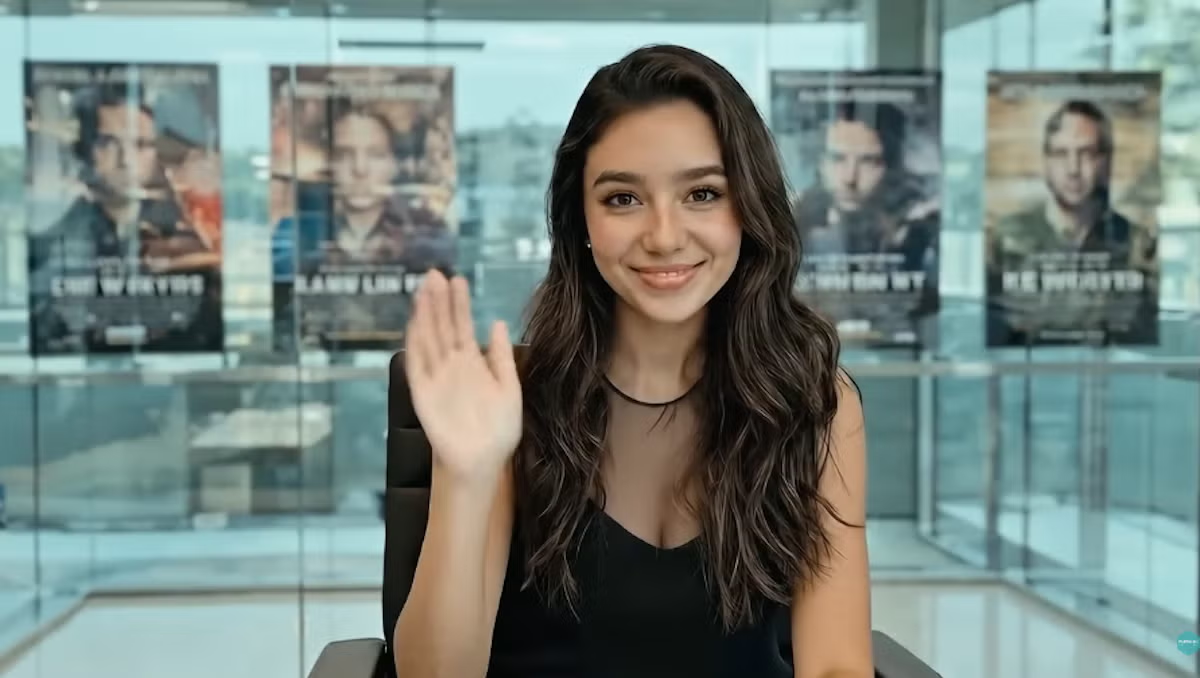
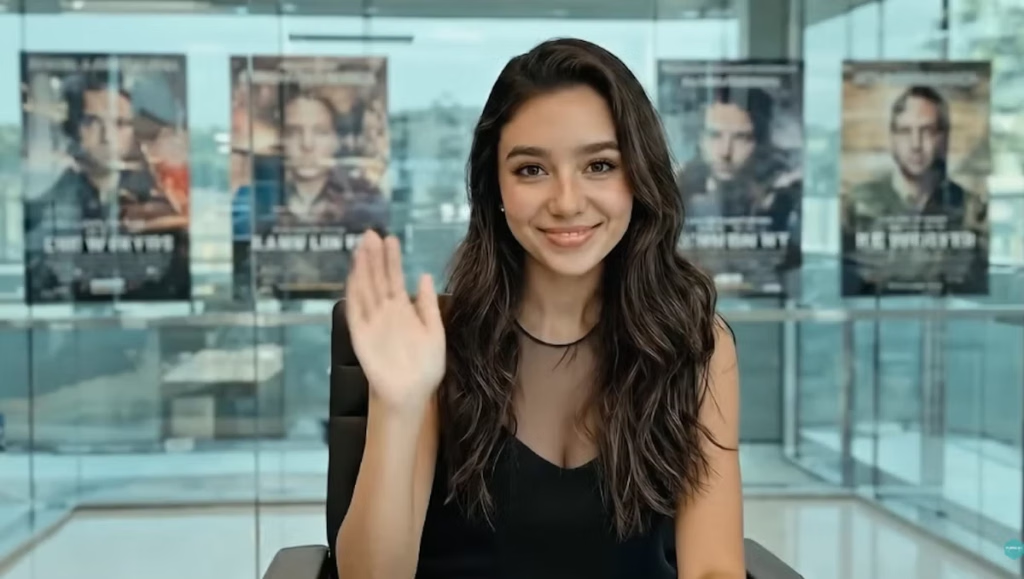
Enter Tilly Norwood: The First AI-Generated Actress
In 2025, Xicoia, the AI division of Particle6 Group, a production company founded by Dutch actress and film producer Eline van der Velden, introduced Tilly Norwood, an AI-generated digital actress, to the world and announced that she was…seeking representation. In other words, Tilly Norwood was seeking a talent agent to assist it in winning roles in motion pictures – roles otherwise reserved for real, human actresses.
This announcement sent shockwaves through Hollywood and its related creative communities, with many actors and actresses expressing their displeasure and suggesting a boycott of any talent agency that agreed to represent Norwood.
Meanwhile, businessman Kevin O’Leary suggested that background actors could be replaced by “100 Tillies”, and Particle6 claimed that any film using Norwood could cut production costs by an astounding 90%. Statements like these are why film industry workers are in a panic about the rollout of AI, as examined in my previous article for Greymantle: “Has the AI Battle in Hollywood Already Been Lost”.
In her article about Tilly Norwood for the Wall Street Journal, Caroline Reid wrote, “All it takes is the push of a button to give the character a different hair color, skin color, eyes or accent. There’s no need for any makeup giving AI’s extreme versatility at low cost.”
That one statement alone could put not only thousands of actors out of work, but a fair number of makeup artists and vocal coaches. If pursued to its logical conclusion, the use of digital actors would be like a mass extinction event for film industry workers.
Like A Spark in a Munitions Factory
In 2023, one of the major sparks that set off the Actors and Writers strikes was the accelerating use of AI in Hollywood filmmaking, specifically studios having AI do work normally done by paid screenwriters and actors.
Writers wanted assurances that studios would not use their scripts to train AI chatbots like ChatGPT how to write new scripts or how to complete unfinished ones. Actors wanted similar promises about the use of AI to manipulate an actor’s performance from one movie into a new character for another film or video game.
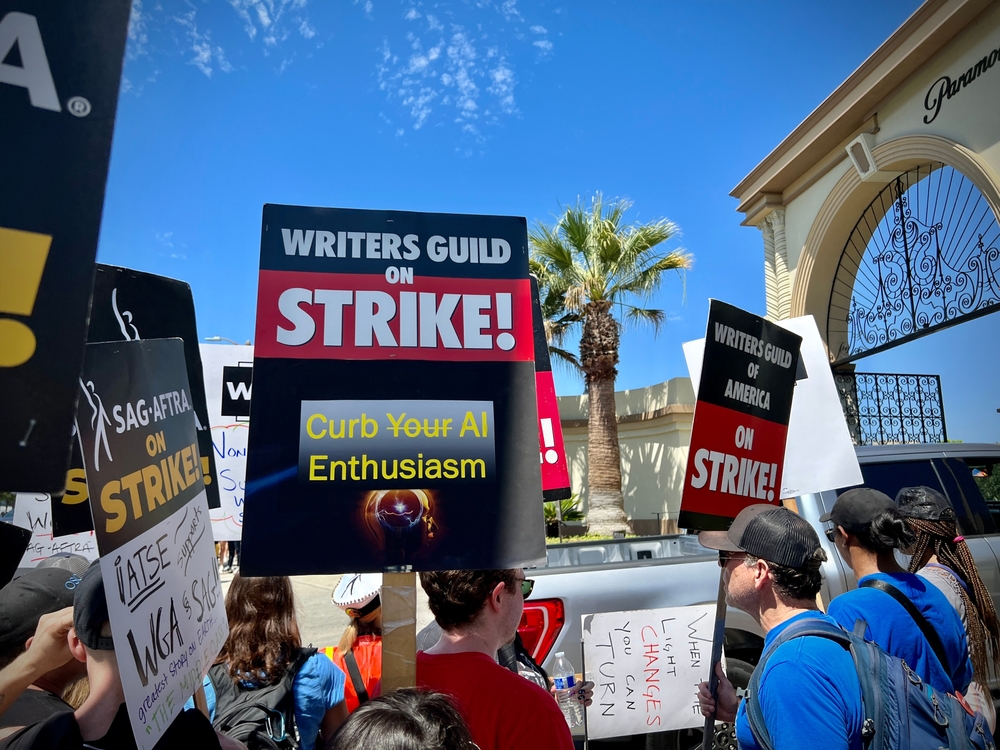
The writer’s union secured some good regulations of AI regarding screenwriters that will prevent studios from using AI to generate full scripts. Nor are the studios allowed to use AI to revise scripts already written by a human writer.
Studios are also prevented from having AI provide source material, such as an AI-generated novel or stage play classified as ‘new’ work, since screenwriters get paid less for adapting and revising non-original work.
The actor’s union, SAG-AFTRA, scored as well when it came to the use of digital replicas, which are defined as a digitally created reproductions of a performer’s voice or likeness. The new contract agreed to following the strike contains the first major labor rules requiring studios to obtain informed consent and provide actors pay when their digital replicas are used.
But where the new SAG-AFTRA contract provides less protection is around ‘synthetic performers‘, which are completely artificial personas created using digital technology like AI. This omission was likely due to the fact that studios have already used digital technology to create artificial people – or perhaps artificial images or simulacra of people is more accurate – in large crowd scenes.
Unfortunately, this ended up being the loophole that the Particle6 production studio used for their next jump into AI technology.
Enter AI ‘actress’ Tilly Norwood, film technology’s most advanced digital avatar – yet.
The Avatar and the Backlash
Norwood’s Instagram account, which features selfies and AI-generated modelling shots, already has over 180,000 followers. She’s been in a comedy sketch featuring other AI-generated characters and a script generated in ChatGPT, and the digital avatar was recently featured in a music video on YouTube.
Then in July 2026, Particle6 Group announced that Norwood would star in her own feature film, Misaligned, which Norwood itself described in an interview as “a coming-of-age story about an AI finding its place in a digital world.” Van der Velden stated that she intends Norwood to be the next Scarlett Johansson or Natalie Portman.
But the backlash came hard and fast.
SAG-AFTRA, the labor union that was formed from the merger of the Screen Actors Guild (SAG) and the American Federation of Television and Radio Artists (AFTRA), stated that they do not consider Norwood to be an actress.
Some talent agencies announced they would not sign Tilly Norwood. The British actors’ union, Equity, and the Canadian union ACTRA also condemned Particle6’s attempt to market and promote Norwood, citing the threat that Norwood and other synthetic avatars pose to real actor’s livelihoods.
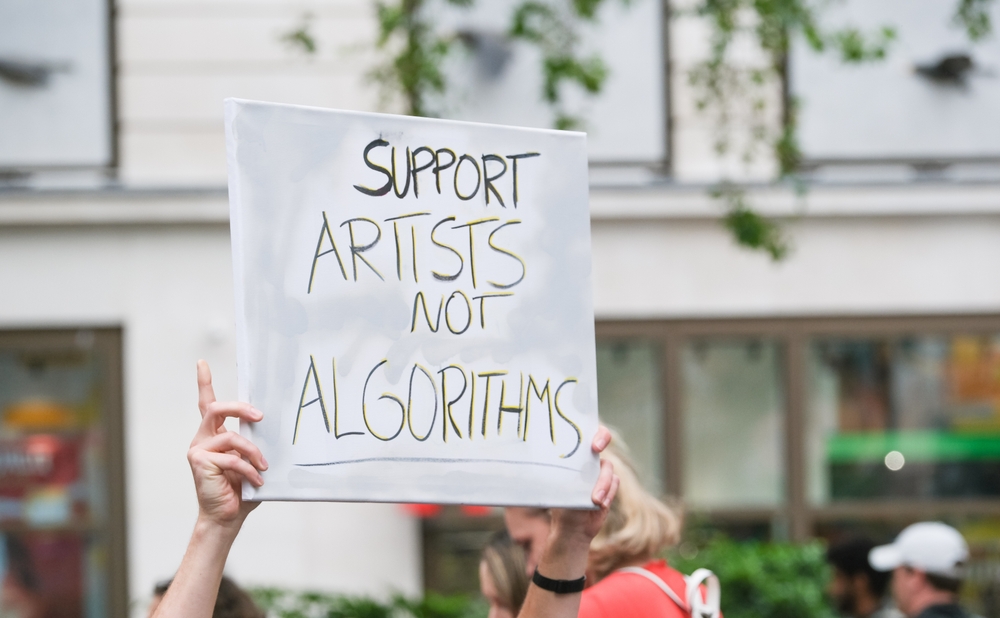
After that criticism, van der Velden released a statement claiming that Norwood was “not a replacement for a human being, but a creative work.”
One might think that the recent firestorm would cause Particle6 to pull back on Tilly for a while, maybe to wait for a better time or to pivot toward a different way to bring her to the public. Instead, Tilly’s creators set up – and no, I am not making this up – a press junket for her to be interviewed by journalists as if she were a real actor promoting a movie.
But Tilly Norwood’s press tour did not end well.
Norwood’s interview with The Hollywood Reporter is titled ‘An Interview with Tilly Norwood Proves Absurd and Underwhelming’ with the subtitle ‘It felt cringeworthy, rehearsed and clunky’. Then, in an interview with Piers Morgan and actor Tom Conti, Norwood malfunctioned and abruptly began speaking in Chinese.
So…maybe Tilly Norwood isn’t an immediate threat to anyone’s job. But this episode may not be the first such attempt by a production company to launch a virtual performer into the public space in an attempt to win acceptance. Be warned.
In Defense of Human Creativity – Sort of?
In January of 2026, several months before the abortive Tilly Norwood press tour, van der Velden wrote an op-ed in Variety to defend her creation, as well as to explain her intentions behind creating Tilly.
She wrote that people often forget there is a “real person” and a “creative human vision behind her (Tilly).” That an entire team put their human creativity into the creation of Tilly, and that what her team created left her ‘awe-struck’.
It is a good reminder that AI will also create jobs as well as eliminate them, although access to those new jobs requires money for a higher education program that will not be affordable to everyone who is put out of work by the new technology.
“This is not about replacing real performances, it’s about giving actors new opportunities in this new medium of AI film and TV that’s fast arriving,” she writes. Van der Velden goes on to explain that an AI actor might be no different than Andy Serkis playing Gollum in The Lord of the Rings trilogy, or Zoe Saldana’s portrayal of Neytiri in Avatar.
That’s because Tilly Norwood’s humor, rhythm and style comes from van der Velden’s own “instincts and years of formal training”. Therefore, crafting Tilly’s personality is no different than “animation, puppetry or the art of performance capture.”
Taking Control of the Future — Or Being Controlled by It?
Then van der Velden took her argument in a direction that gave me pause. “AI actors should be something performers build and control, just like writers own their scripts, or musicians own their masters. This isn’t about replacing human performers. It’s about giving actors the agency to take control of their future.”
Van der Velden made a rational argument about the physical and mental tolls of acting, between “Dangerous stunts, intimate scenes, extreme physical transformations and endless hours of hair, makeup and retouching,” not to mention the issue of aging.
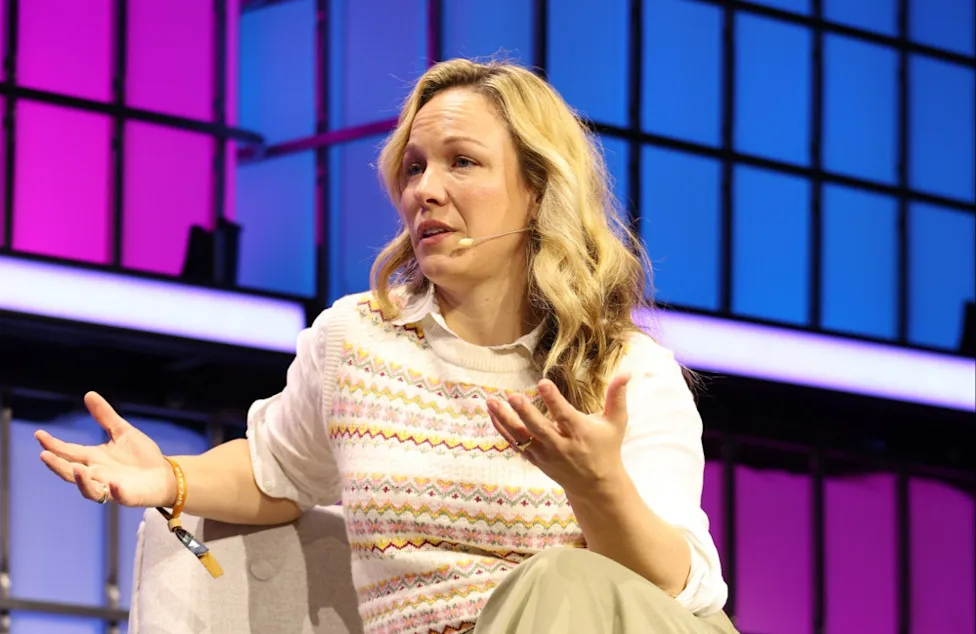
Van der Velden even mentioned how AI actors can allow performers with families and other responsibilities to “work from home” by using their own AI avatar as a kind of puppet-like stand-in for them on set.
When I first read this argument, it occurred to me that, much like Michael Crichton’s film Looker, which began with the lofty ideal of examining the manipulative power of technology, but ended as a standard thriller, Van der Velden’s January 2026 op-ed ended up becoming a pitch that any actor (who has enough money, I imagine) can own their own AI replica and have it do all of their dirty work, leaving them with more time for their hobbies and leisure.
Then a strange thing happened. I started to ask myself: Is that such a bad thing?
A Seductively Practical Argument
Van der Velden’s argument is in some ways persuasive. But it’s also very seductive. It strikes at a part of all human beings that simply wants more. And wants to get more of whatever it wants more easily, quickly and efficiently. My own reaction demonstrated the seductiveness of her argument to me.
But van der Velden’s argument is also a practical and pragmatic one in a time of accelerating change, upheaval and uncertainty. In her op-ed, Eline van der Velden compares the current resistance to AI with the Luddites during the Industrial Revolution.
Look how well they did!
AI is starting to be used everywhere now. And despite pleas from politicians, community leaders, business giants, journalists and even some of AI’s own creators to just slow things down, most forms of business are already well into the process of adopting AI, or starting to adopt it, in some way, shape or form.
It’s on all our phones and computers. AI has been adopted faster than any other technological leap before it. And quite frankly, I hate it.
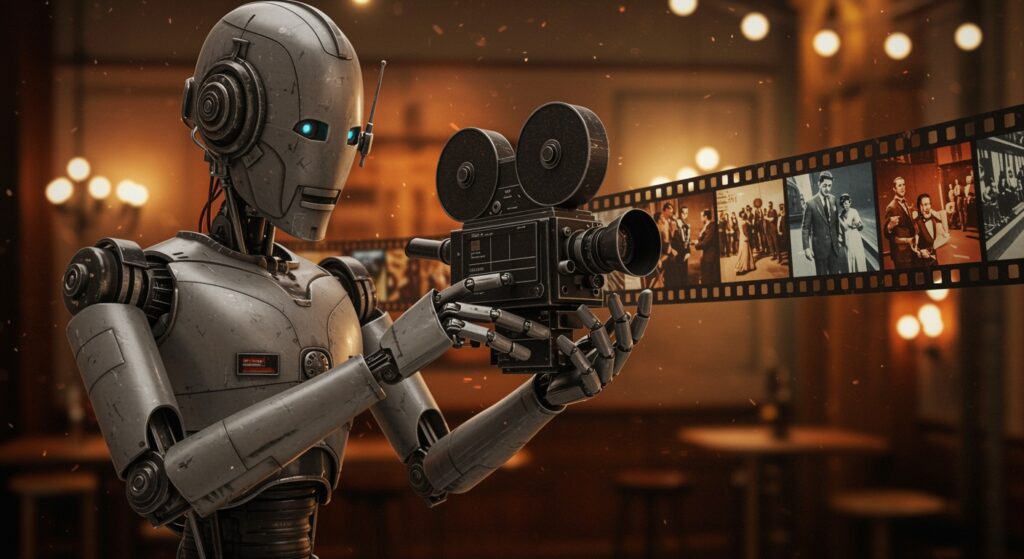
But it’s not AI itself that I hate.
It’s that people are adopting AI thoughtlessly and reactively, without taking the time to explore the potential long-term consequences of what AI will do. Not just the danger to human life, but the danger to humans who need to make a living.
My issue, and I think it’s becoming an issue for many Americans, is that all too many people don’t want to hit pause and take some time to institute a few rules and guardrails now for AI, instead of waiting until after something really terrible has happened.
And it’s that we are being asked to accept that there is currently no way to slow it down, short of AI killing tons more people than it already has (which says something in itself, if leading a handful of people to their deaths hasn’t even slowed its use), and some unthinkable disaster forcing companies and governments to forcefully rein it in.
So, if slowing down AI isn’t an option, at least not now, then what are our options? What are the options open to creative industry workers?
Placing AI in the Hands of the Actors, Not the Studios
My thought: Finding a middle ground, or something close to it. And maybe that’s what Van der Velden was attempting to offer in her January 2026 op-ed. Maybe this is the pivot I suggested earlier. And it’s a potentially smart pivot.
With all the blowback from the acting community, van der Velden and Particle6 decided to put the power of AI actors into the hands of those resisting it the most: not the studios, but the actors.
If there are going to be AI actors anyway, why not have them mostly be digital replicas of real, existing actors and actresses who own the licenses to them?
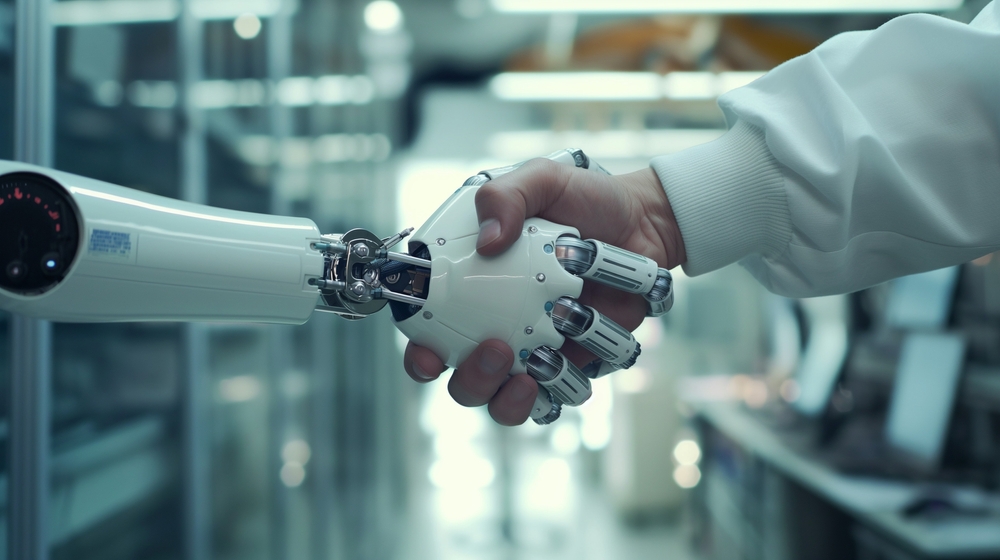
Remember, the matter of digital replicas is where the actor’s union picked up good wins in the last strike. If these experienced, talented humans are the ones training the AI, then this may help address complaints that AI actors can’t convey human emotion well enough. It may place actors in a kind of supervisory role in the creation, training and use of digital replicas, principally their own.
And it’s not just actors van der Velden is willing to offer an olive branch to.
She writes that her company is “proud to help professionals, from costume designers and directors of photography (DOPs) to editors and set designers, transition into the AI-driven world of film and television.”
Is it a perfect solution? No. But perhaps it’s the least bad option on offer.
Plenty of jobs will still be lost, plenty of people will be out of work. But van der Velden’s proposed solution is the only idea I’ve heard from anyone running a production company that is squarely aimed at helping keep as many film industry jobs in circulation as possible.
That is something that should not just be seen, but lauded, and hopefully mimicked, as our society plunges ever faster and deeper into this new AI world.
And there will be an AI world.
A Blurring of Boundaries is Coming
In November 2025, Van der Velden said in an interview with Deadline that she planned to create 40 further “very diverse” characters alongside Norwood to expand the character’s “whole universe”.
Van der Velden also hired Prime Video’s Mark Whelan as head of strategy and operations at her AI talent studio Xicoia. Whelan will be tasked with helping Van der Velden create the “Tillyverse,” described in a press release as a “dynamic, constantly evolving digital universe where Tilly and other AI characters will live, collaborate and build careers.”
What that will lead to, I can only imagine.
Maybe when these AI’s have careers and start earning money, they can pay union dues, hire an assistant on the physical plane, and maybe pay for acting lessons for themselves.
Then they can well and truly contribute to the real world — and hate having to pay taxes like the rest of us!
Until next time,
Dave
Dave Oates is an audio technician actively working in the motion picture and television industries with 25 years experience. Dave writes about film history and criticism, motion picture industry trends, futurism and artificial intelligence-related issues for Greymantle’s Politics and Culture.