US Politics

Greymantle’s US Politics coverage takes a centrist, non-partisan view of American political life. We cover elections, party realignment, third-party movements, and the structural pressures on American democracy – with a forecasting function that puts our predictions on the record. When our forecasts are wrong, our first response it to see what we can learn from our bad calls.

The Future of Crypto
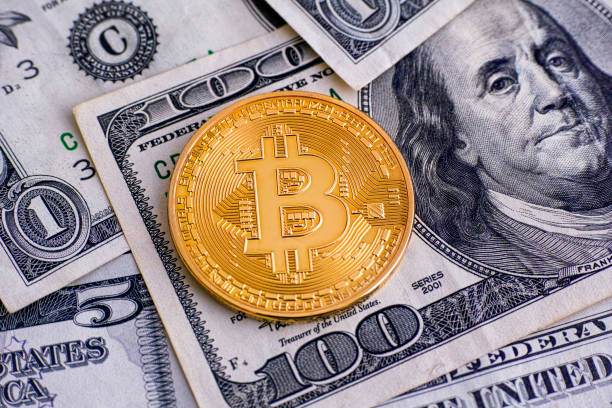
In this third and final part of our 3-part series "Understanding Cryptocurrency", we delve into the deepening connections between the crypto industry and America's populist right-wing, examine the mainstreaming of crypto starting in the late 2010s, and venture some predictions about the future of crypto.
The Blockchain Revolution
More than 17 years after Bitcoin’s creation, cryptocurrency remains one of the most poorly understood phenomena in modern finance and technology. Part of the confusion stems from the fact that three distinct concepts have become tangled together in the public's mind under the name "crypto". In this series, we untangle these concepts. In Part 1, we explore the Blockchain Revolution that made cryptocurrencies possible.
The Method to Their Madness
The geostrategic thinking of President Trump's inner circle revolves around a stark premise: the U.S. is entering a period of geopolitical rivalry that will culminate in a military confrontation with China. Since that confrontation is coming quickly, Washington cannot afford to remain entangled in a half-dozen smaller regional conflicts. Their solution is brutally simple: Before the larger struggle begins, the U.S. should neutralize as many secondary adversaries as possible.
Trump 2.0 One Year In
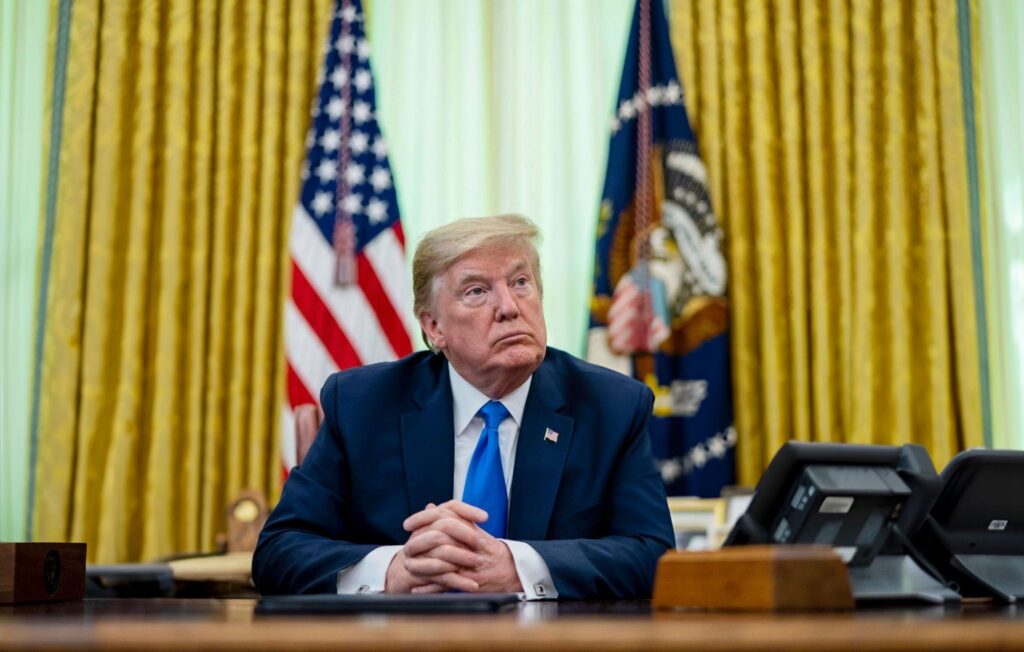
When Greymantle published its Dec. 2024 forecast for Trump 2.0, we sketched three broad trajectories or pathways that Trump 2.0 could take, with Pathway Two being the Orban model. A full year into Donald Trump's second term as President, the gravitational pull toward Pathway Two - the illiberal consolidation of power through institutional redesign and policy overreach - is unmistakable.
The Loneliness of Modern Freedom
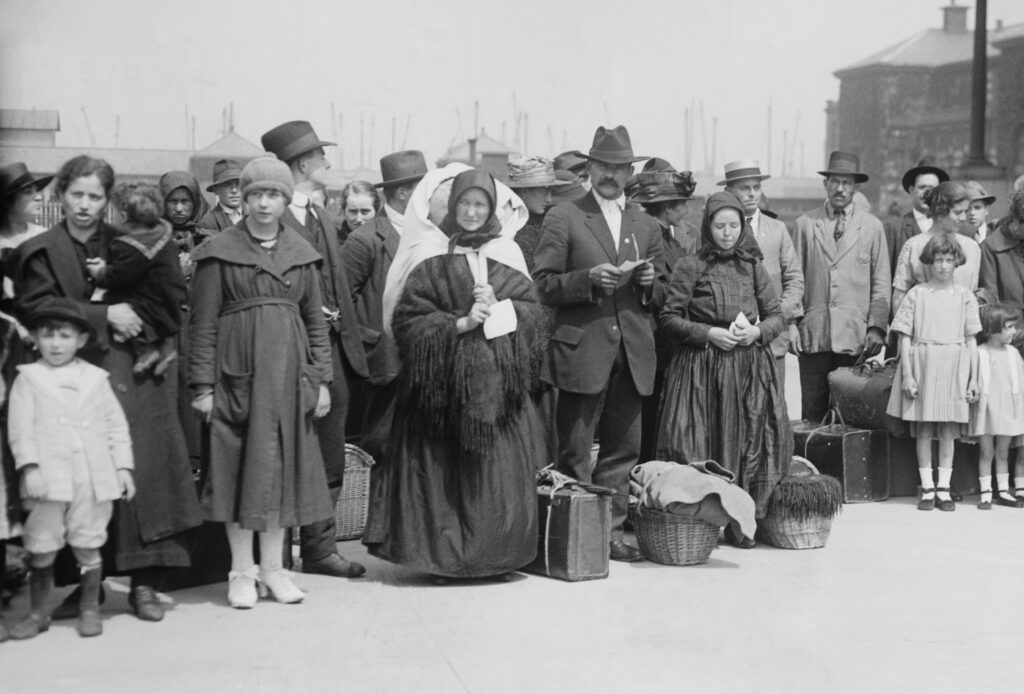
For a country that takes pride in being a “nation of immigrants,” the United States is surprisingly bad at passing good immigration legislation. The 1924 National Origins Act, which tightened a set of quotas that had been introduced three years earlier, did one thing extremely well, however: it reduced overall immigration dramatically. In that narrow but important sense, the 1924 Immigration Act can be called a success.
Failure to Imagine the New American Voter
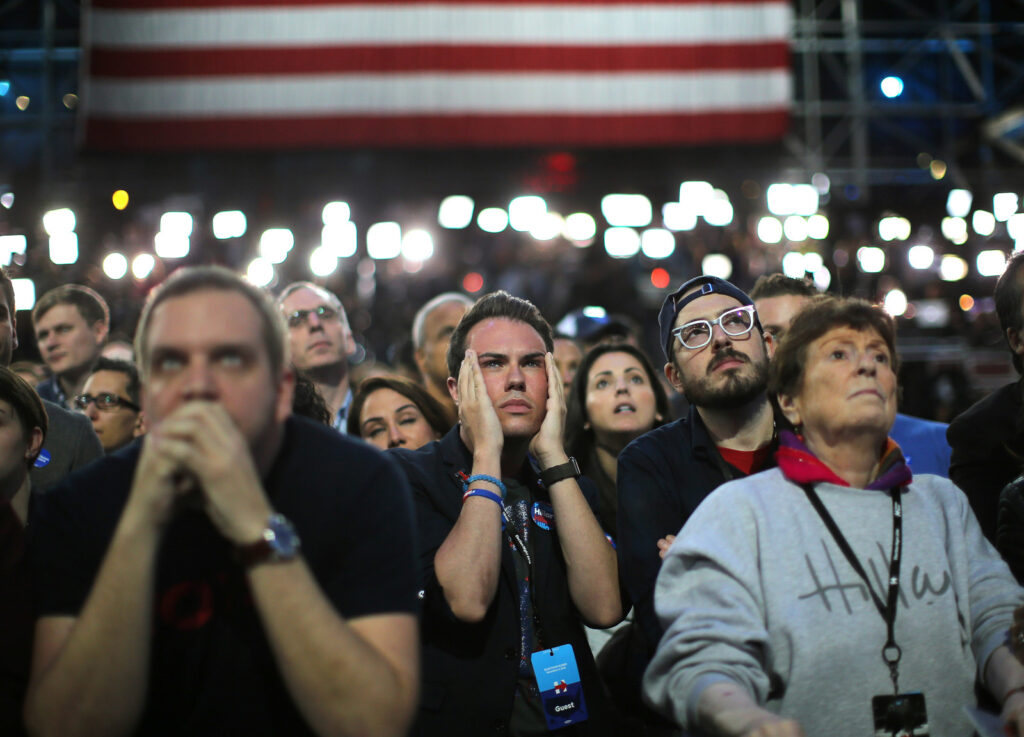
Part 3 of our ongoing series on imaginative failures focuses on Democratic Party leaders and activists in the lead-up to the 2024 U.S. general election. We analyze their failure of sympathetic imagination for the American voter, whose characteristics had changed significantly since 2016 and 2020 due to social distrust stemming from the pandemic and online culture.
8 Takeaways from the Democrats 'Very Good Night'
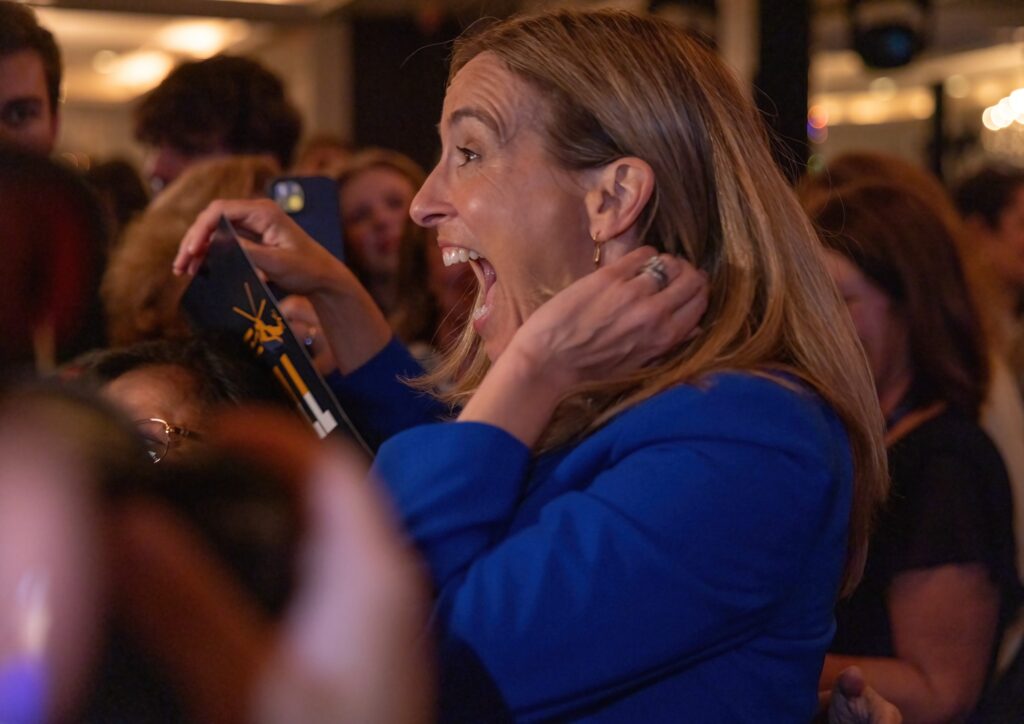
U.S. Democratic Party candidates had what pundits rightly described as 'a very good night' on November 4, racking up major electoral victories in NJ, VA, NYC and elsewhere. In this post, we provide a high-level analysis of eight key factors that bolstered Democratic fortunes in the off-year elections including continued cost of living pressures and growing concerns about H.R. 1 linked Medicaid cuts scheduled for January.
A Vote for Mamdani is a Vote for Martial Law
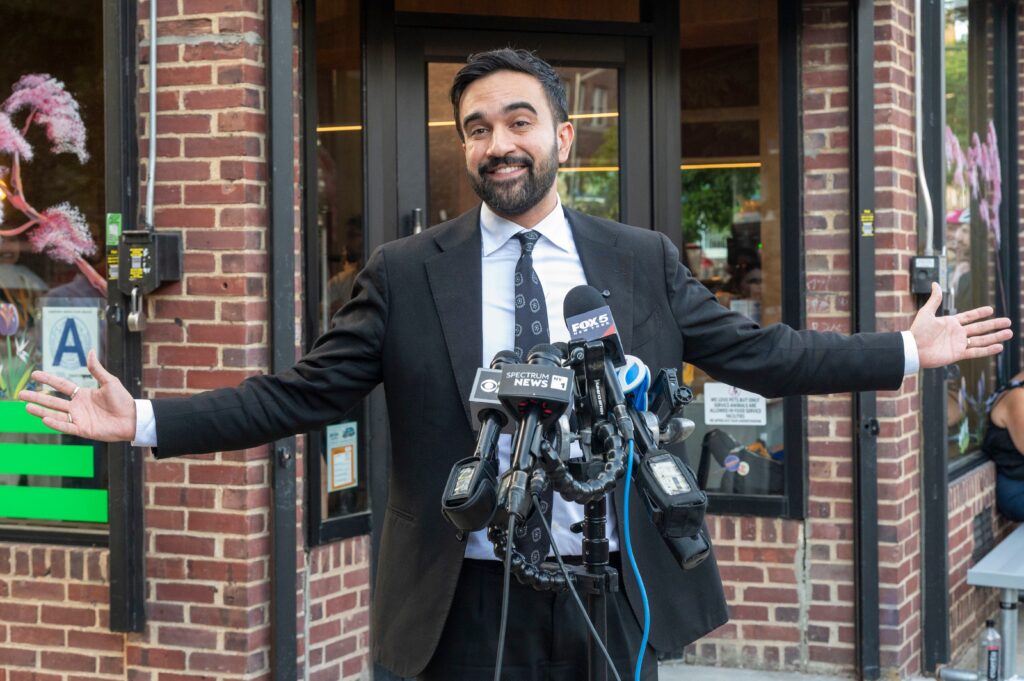
An electoral victory by Democratic Socialist Zohran Mamdani in the New York City mayor's race is likely to stir an over-the-top policy response by the Trump Administration including, but not limited to, placing the Big Apple under martial law.
A Vote for Mamdani Is a Vote for Martial Law
We are living through a combustible moment in U.S. history, and the combination of a revolutionary New York City mayor and an authoritarian-leaning U.S. President may prove the most combustible mixture of all. Hence the title of today's post, "A Vote for Mamdani Is a Vote for Martial Law".
Unlearned Lessons: America's Precarious Post-Pandemic Stance
The American public appears to have relegated COVID-19 to the realm of an endemic nuisance rather than an existential threat. Yet the quiet summer surge of 2025 serves as more than a seasonal blip. It is a stark reminder that despite the painful lessons learned during the initial, devastating COVID-19 outbreak, the United States remains unprepared for another pandemic. This week's post focuses on "Unlearned Lessons: America's Precarious Post-Pandemic Stance".
Failure to Imagine the New American Voter
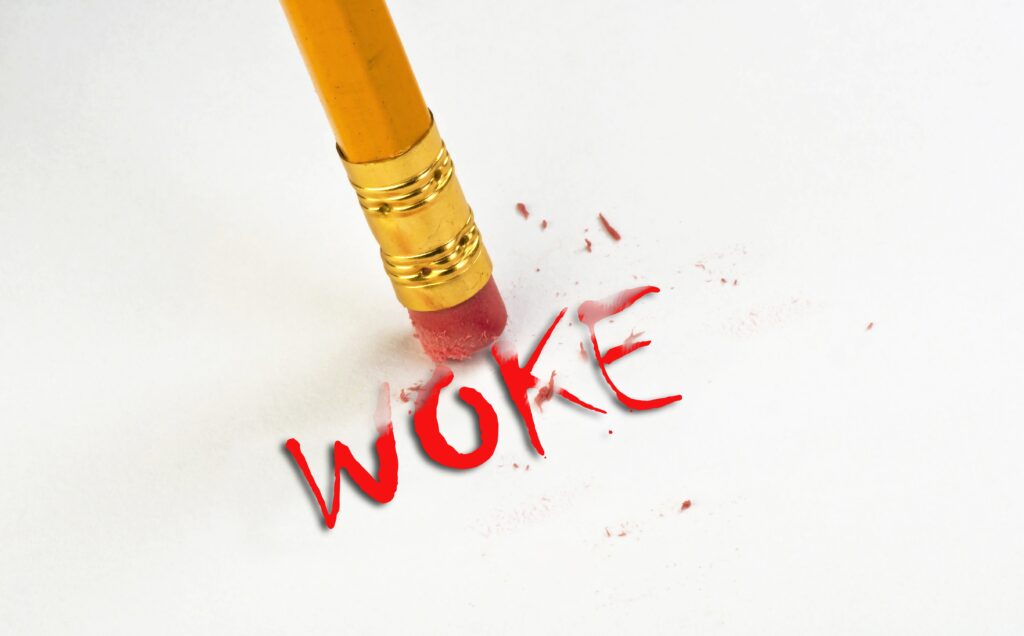
For a stretch of time in the late 2010s and early 2020s, it seemed as though a particular ideological current was not merely ascendant, but had achieved something akin to cultural inevitability. Its proponents, buoyed by institutional capture and a vocal online presence, carried themselves with the conviction of history's ultimate victors. Yet even the most seemingly unstoppable force can find its momentum checked. Such is the subject of this week's post: "They Thought They Owned the Future: Wokism in Eclipse."
America's Two Multiculturalisms
America has always been a pluralistic society. From its earliest beginnings as a distinct nation, the country has been shaped by waves of migration, religious dissent, linguistic variety and an uneasy, albeit fruitful, coexistence. And yet, one could be forgiven for thinking that multiculturalism is a recent ideological invention. This is no accident. The word and the concept have become subject to the distortions of America's political polarization. It's time to liberate the word from the culture war. Our subject today is America's two multiculturalisms.
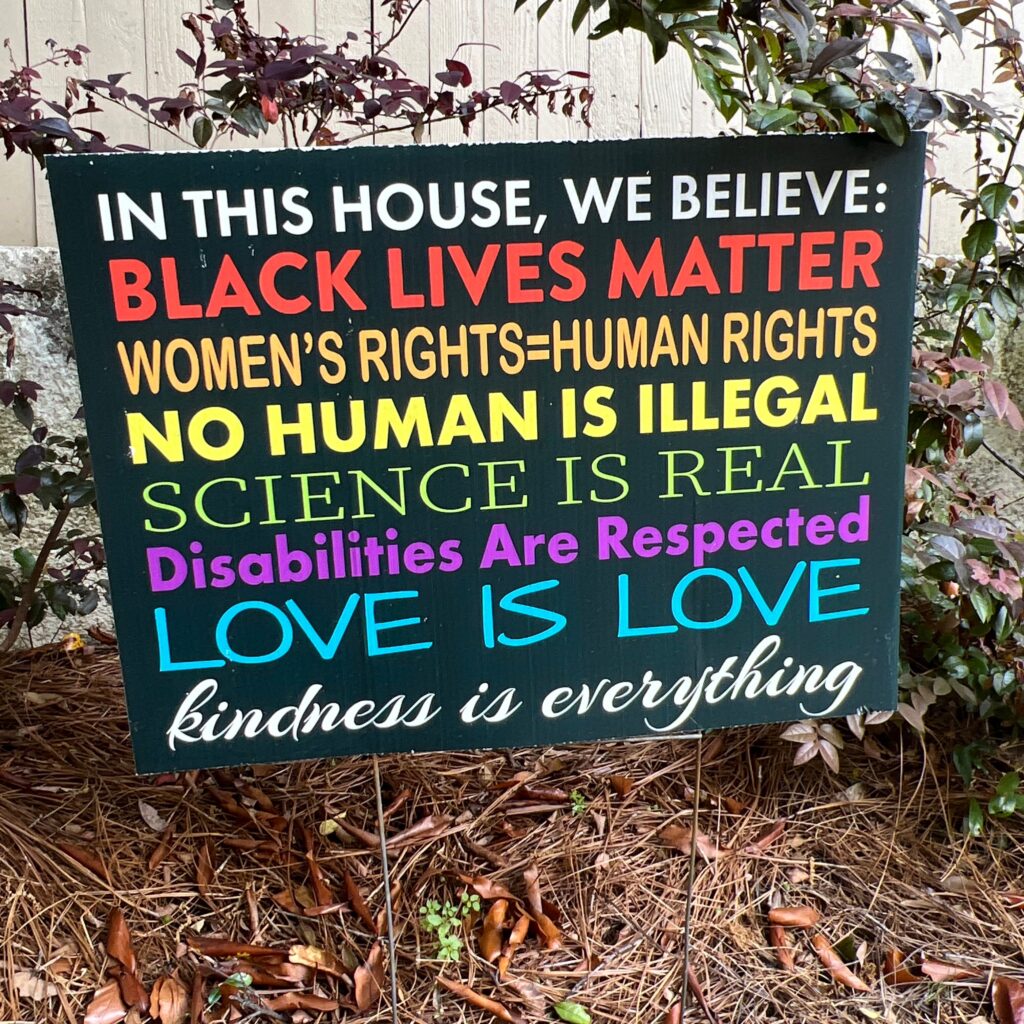
In a society awash with slogans, the term "Wokism" has emerged as one of the slipperier entries in the contemporary political lexicon. For some, it represents an overdue moral awakening to the injustices baked into American life. For others, it signals the rise of a new orthodoxy—cloaked in compassion, fluent in the language of rights and inclusion, but with the instincts of a revolutionary vanguard. The subject of this week's post is understanding Wokism.
Dark Clouds
For America’s liberals and centrists, the return of Donald Trump to the White House has inspired a mix of alarm, exhaustion, and grim resignation. The second Trump administration, like the first, offers a governance style heavy on grievance and light on guardrails. But beneath the chaos, a profound shift is occurring. Conservative populism represents a sharp break from the elite consensus. This post examines seven areas where the "Trumpian policy outlook" may offer unexpected upsides - silver linings among the dark clouds.
Student Radicalism at Columbia
Student radicalism at Columbia University has a storied history going back to 1968, when a massive student uprising shut down the college. Despite the media frenzy connected with today's student radicals, the 2024 protests were smaller and far less disruptive than those of 1968. But given a broader and more committed core of student activists this time, could the longer-term effects potentially be greater?
Forecasting events used to be something that I did casually - almost like a hobby. But years of being more right than wrong in my predictions convinced me to start this blog with a small group of collaborators. That's its purpose now - to analyse, to predict, and, hopefully, to give people a clearer view of the forces shaping our world. That's why we write this blog.
Looking for the Purple People
As dissatisfaction with both major parties grows, the same question keeps arising: Could a U.S. third party finally scale up into a viable national force? To succeed, a third party would need to capture about one-quarter of the U.S. electorate across more than half the states. To do that, third parties first need to identify the voter groups ready to defect from the two major parties - they need to go looking for the "purple" people.
In today's post, we veer sharply away from the geopolitical to delve, if ever so briefly, into the deeply personal. Why we write this blog is a tale of a lifelong obsession with forecasts and predictions. Having been eerily correct in foreseeing several critical events, when almost no one else did, convinced us that transforming our forecasting obsession into regular, public exercise was worth a shot.
Liberalism
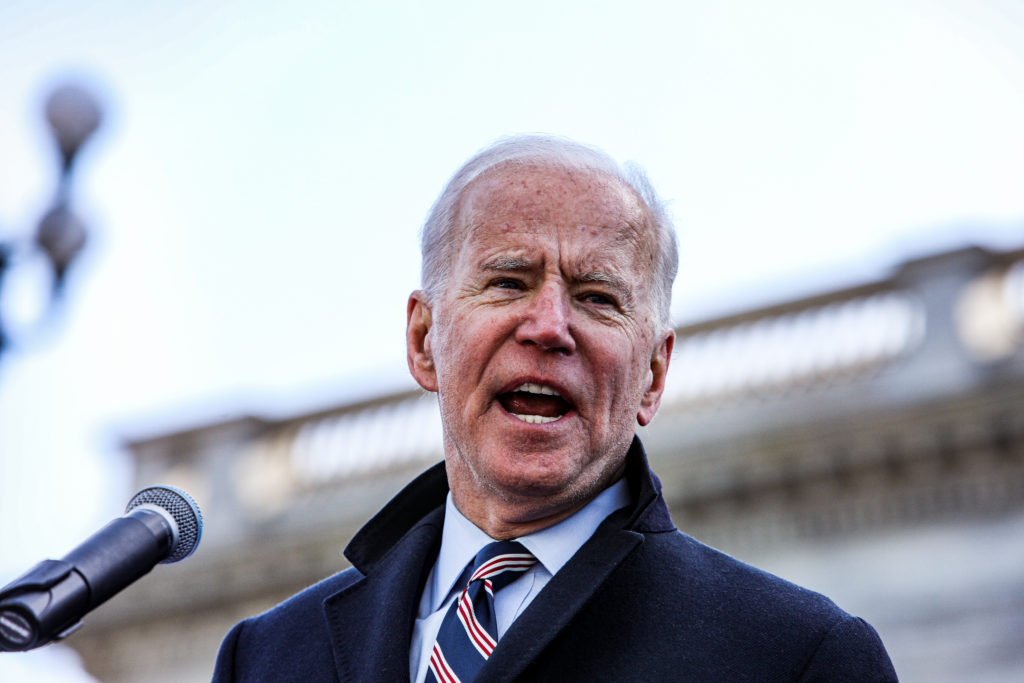
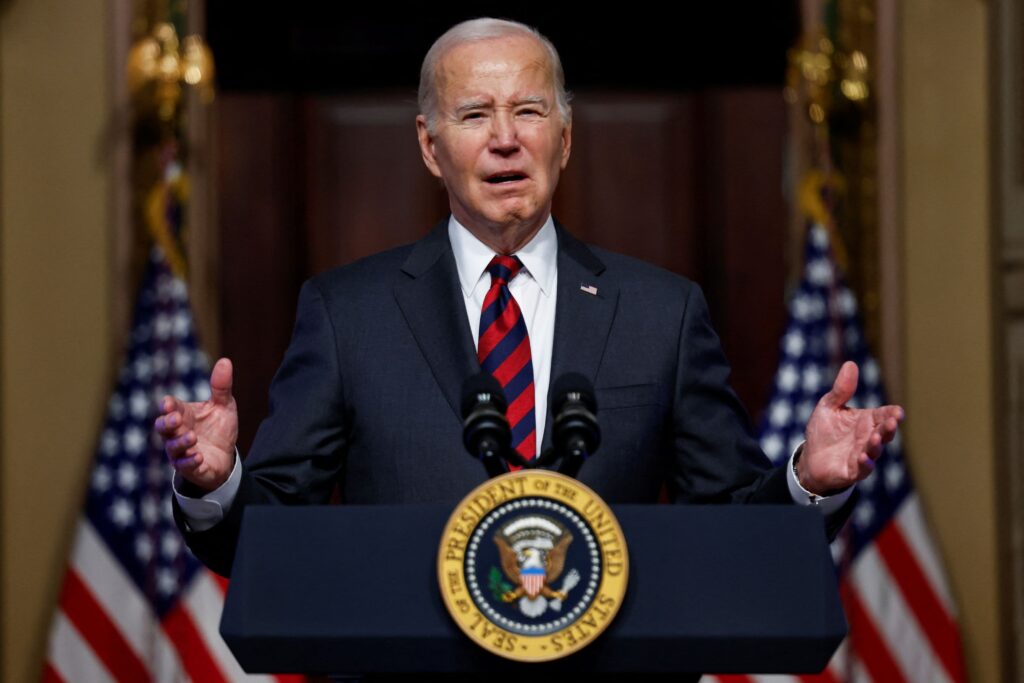
Biden’s political career is a case study in the dangers of reactive sentimentality. From his early years in politics, when his personal animus toward Richard Nixon drove his political decisions, to his handling of the Bork and Thomas confirmation hearings, Biden’s political choices have been driven more by emotion than by reasoned analysis.
A Vote for Mamdani is a Vote for Martial Law
In sketching out the three possible paths the incoming Trump administration could take, we must focus first on the incoming president himself. We believe Trump's attitude toward the highest office has changed. It's going to be a case of 'No More Mr. Nice Guy: three possible paths for a second Trump administration'.
The Future of Crypto
Elections are decided not only by the mistakes made by the losing candidate, but by the strategically shrewd decisions made by the winning candidate. Donald Trump's advisors made several astute calls that helped to neutralize Trump's weaknesses as a candidate, but it was Trump's own resilience, relentlessness, and refusal to back down above all else that cemented his victory.
The dust of the November 5 election is still settling, but based on what we know, seven reasons stand out for why Kamala Harris lost the 2024 election. A mood of anti-incumbency, a late start to the campaign, and Harris's failure to connect with voters are the top three.
Trump 2.0 One Year In
Greymantle anticipates that a Harris victory will be supported by five key trends playing out in the swing states: lingering female anger over Roe v. Wade's overturning, the unreliability of young male voters, Trump's refusal to triangulate and tone down his rhetoric, and fewer senior citizen supporters than in 2020.
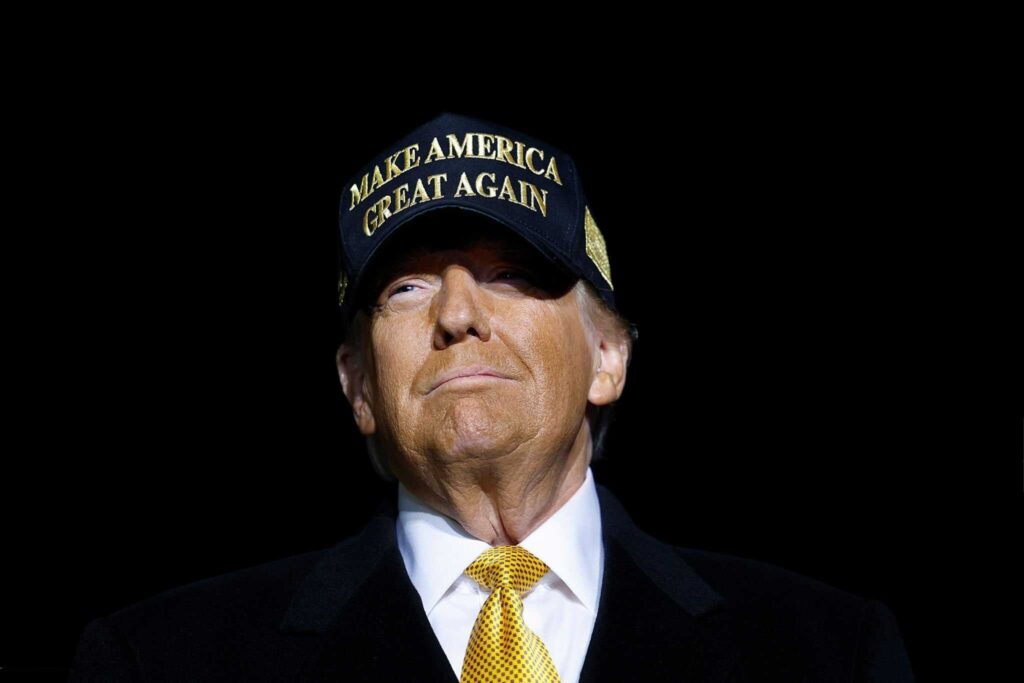
In this fourth and final post covering the four major-party candidates for President and VP in the 2024 U.S. election, we are going to frame Donald Trump's candidacy in an unusual way: as the performance of a master magician. A magician, in the sense that Trump resembles, more than anything else, an extraordinarily effective stage or ceremonial magician.
Tim Walz has the right background for a national office seeker. He served in the National Guard, was a high school teacher and coach, and is Governor of Minnesota. He also has a down to earth manner of speaking that should be connecting with voters. The question is: Does any of this matter in a toxic political environment? Hence our title - The Coach: Tim Walz and the Risks of 'Common Man Progressivism'.
There is no doubt that Tim Walz lost Tuesday night's debate against his GOP opponent, J.D. Vance. Walz stumbled badly as the result of not understanding the nature of American populism. The people are fed up with the 'expert class' and tired of receiving evasive answers in response to simple and direct questions.
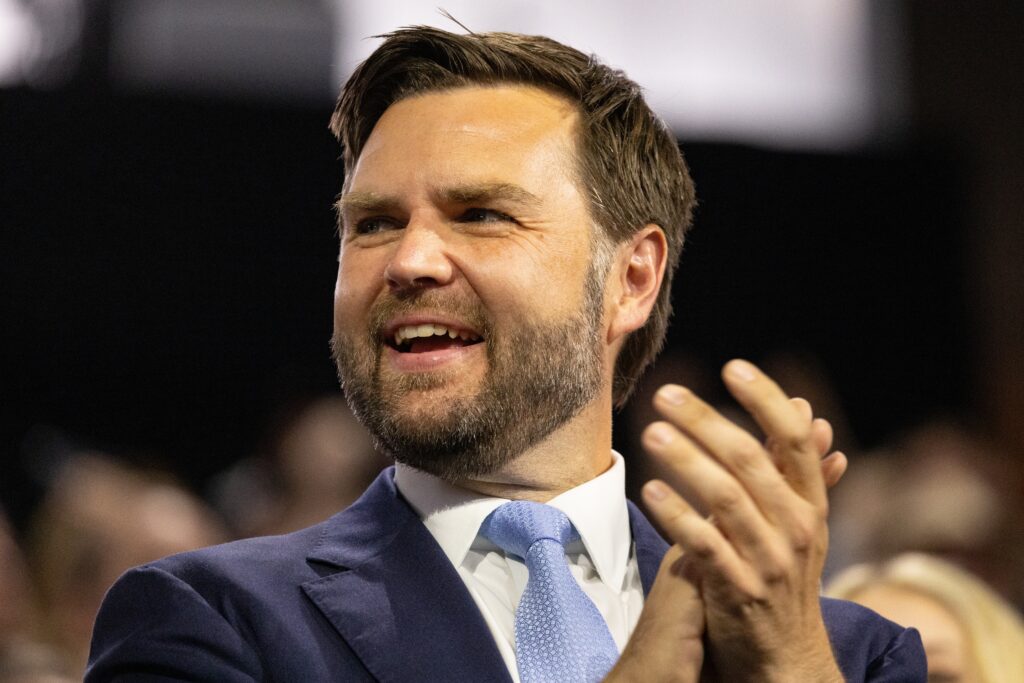
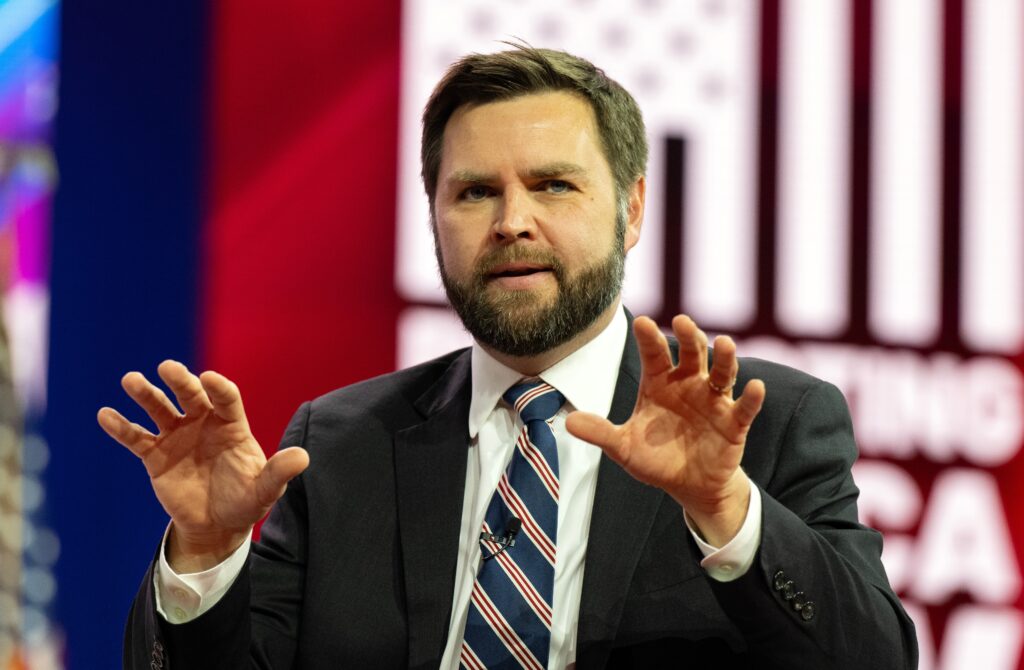
J.D. Vance's rise from Appalachian poverty to the heights of U.S. politics is a testament to the complexity of his personal journey and the ambition that has characterized his adult life. The calculated moves Vance has made since he left Yale Law School behind reveal a more defining characteristic: a relentless drive to climb the social ladder, at all costs. Hence our title - The Climber: J.D. Vance and the Slippery Pole of Social Ascendancy.
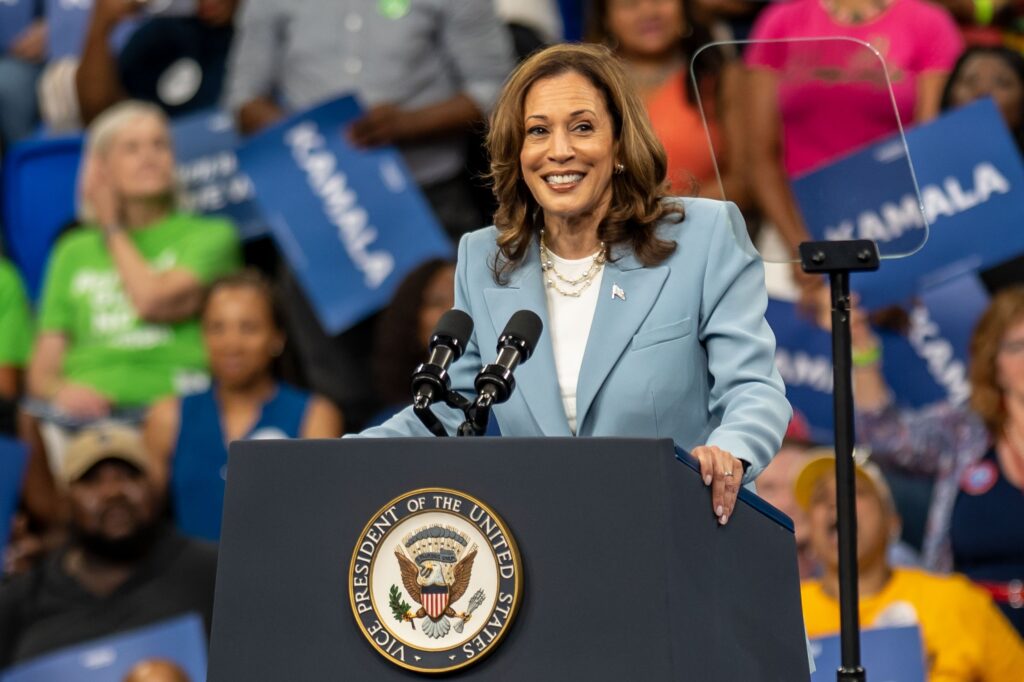
Vice President Kamala Harris and her campaign stand at a dramatic crossroads. Her candidacy represents a dramatic shift in style for the Democratic Party compared to that of outgoing President Joe Biden, offering a bridge to undecided and independent voters, whose support for Biden was wavering. The key question is: Can Harris secure the necessary support to swing the general election to the Democrats?
In a more normal time and a more normal country, Joe Biden would be coasting to reelection despite the fact of his advanced age. But America is no longer a normal country, and Donald Trump possesses critical advantages and Biden key weaknesses that are shifting the momentum of the election inexorably toward a Trump victory.
President Biden's popular standing is far weaker than it should be after a mostly good 2023, economically and socially, and a successful first term. The chances of an election loss to Donald Trump have increased, but the situation remains salvageable for the Dems.
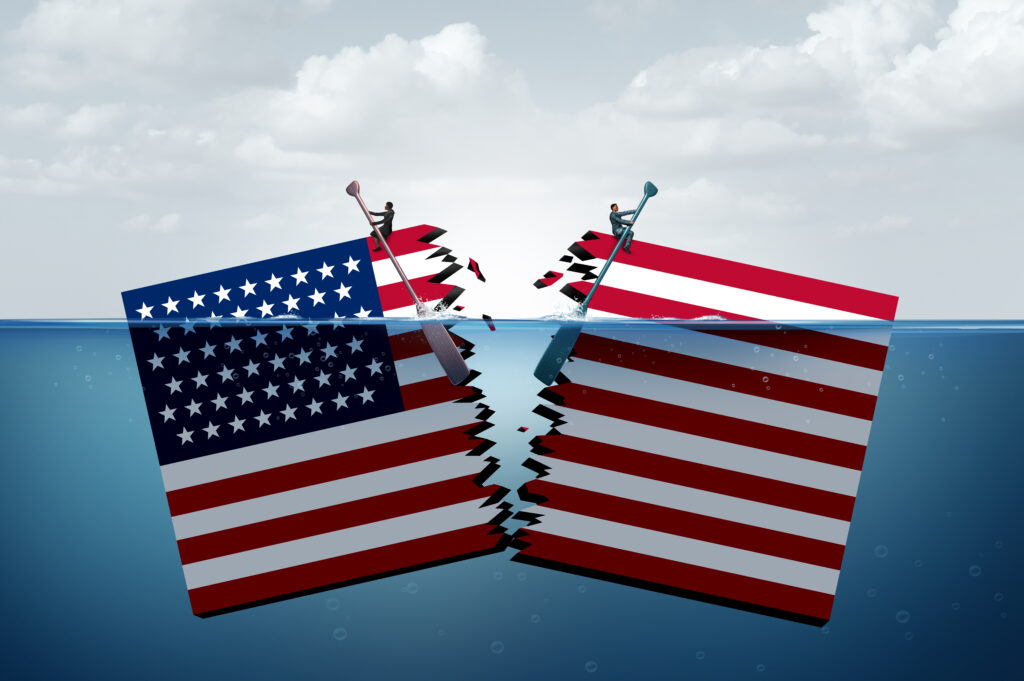
America's two party system has distorted social reality for decades, providing a set of binary, zero sum choices that distorts the range of options available to political actors. It's time to scrap the old two-party system and replace it with a multi-party system.
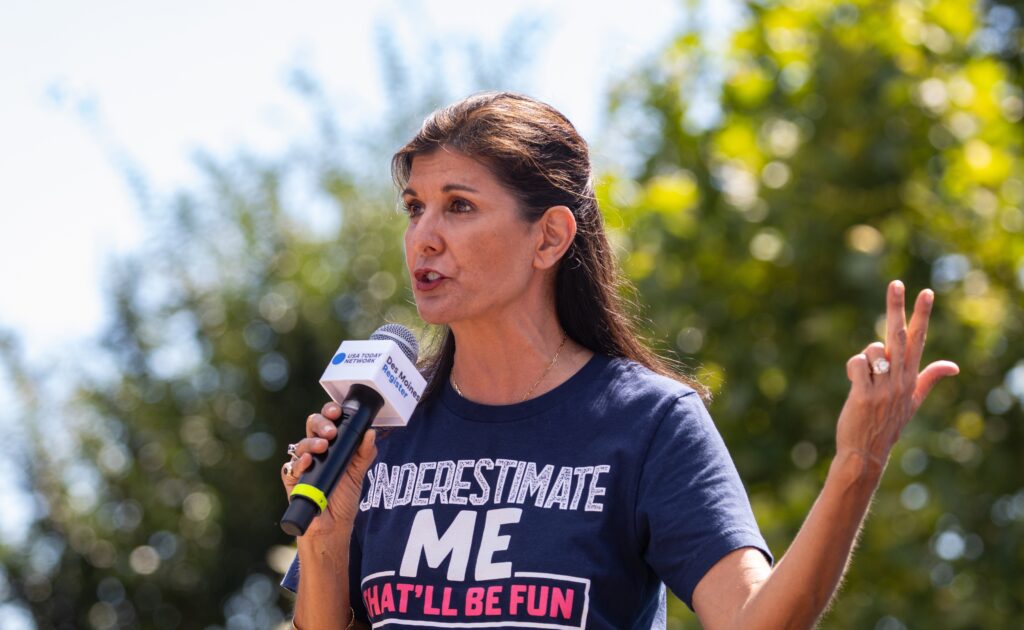
Nikki Haley's chance of securing the 2024 GOP presidential nomination was always going to be a long shot. If she somehow prevails against all odds, it will be because female voters now hold the balance of power in U.S. elections.
A quarter century of national disasters and global upheaval has both the U.S. and the wider world on edge. The prevailing mood is a kind of fatalism, lately made worse by the Israel-Hamas conflict. It might behoove us to take a step back to acknowledge that not all recent trends have been bad. The forces of darkness (e.g. Putin's crew, the Iranian regime) have lately suffered some setbacks of their own. It's way too early for fatalism.
It's official. American conservatism is dead. One of America's two major political parties now lacks a governing philosophy. What killed conservatism? Not Donald Trump. It was fear.
The looming collapse of American conservatism reflects both a failure to adapt and a failure of imagination.
J.R.R. Tolkien would be most pleased with the new Amazon Prime TV series based on his books. Conservative commentators such as Ross Douthat have completely missed the mark in their criticism of the series.
When most forecasters predicted a Democratic midterm defeat for 2022, this site called the result correctly last December.
There is nothing to say that rights can't be subject to revision or repeal.
Biden's history of making misstatements comes back to haunt him.
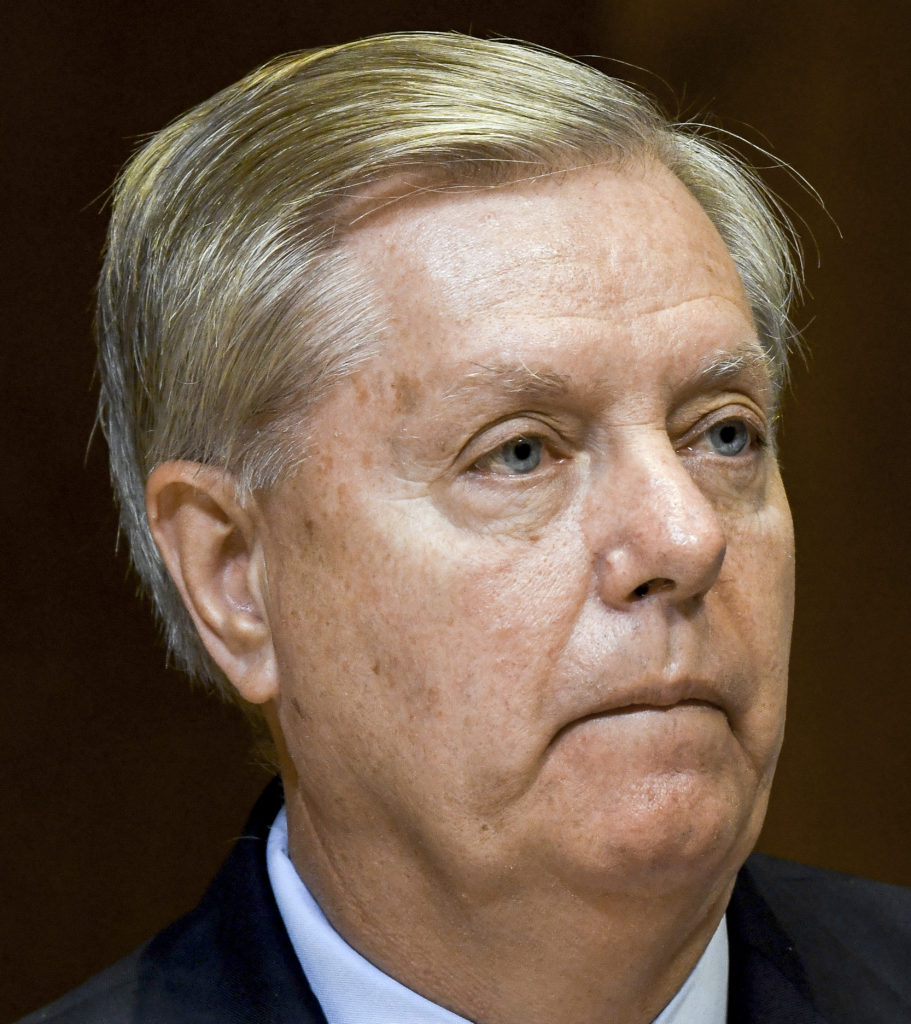
Last week. Senator Lindsey Graham essentially shouted "fire" in a crowded nuclear theatre. Let's hope Vladimir Putin wasn't listening.
The Power of Pod
Radicalized voters are the biggest obstacle to a return to a more 'normal' politics, as their fringe beliefs, once mainstreamed, limit elected leaders' room for maneuver.
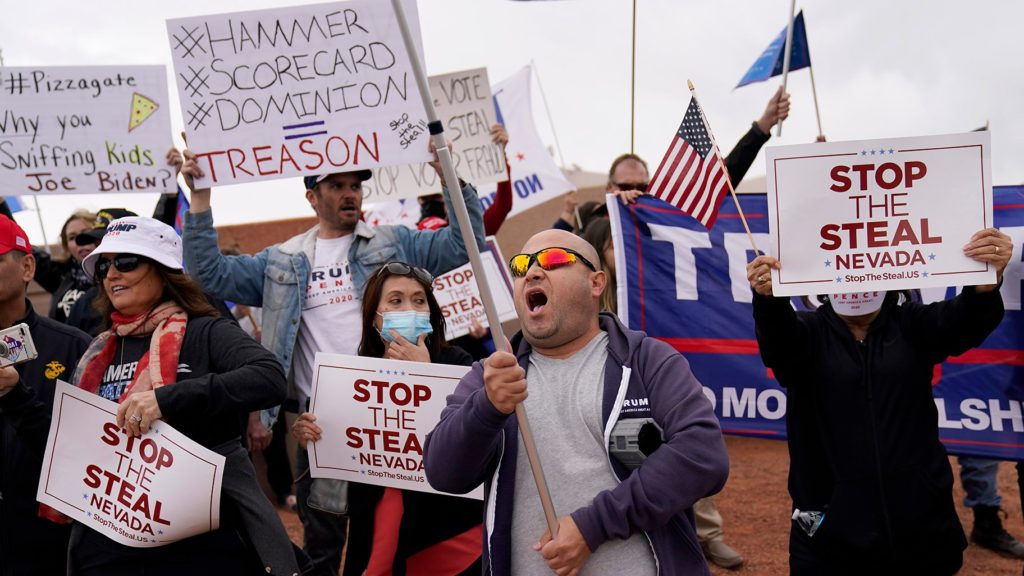
The 2021 off-year elections have concluded and already every Chicken Little in the US is clucking that the Democrats are in for a historic drubbing in 2022 as if it were foreordained by the gods. "It's going to be 1994 all over again!" "Get ready for a repeat of 2010!" Not so. There are several reasons why the Democrats are set to outperform.
Off-Year Elections
The 2021 off-year elections are further proof that Americans are groping for a new political center.
Fear the 'S-Word', Part Two
Secessionist movements and rhetoric are the ultimate 'red flag' for mounting U.S. political tensions.
Fear the S-Word
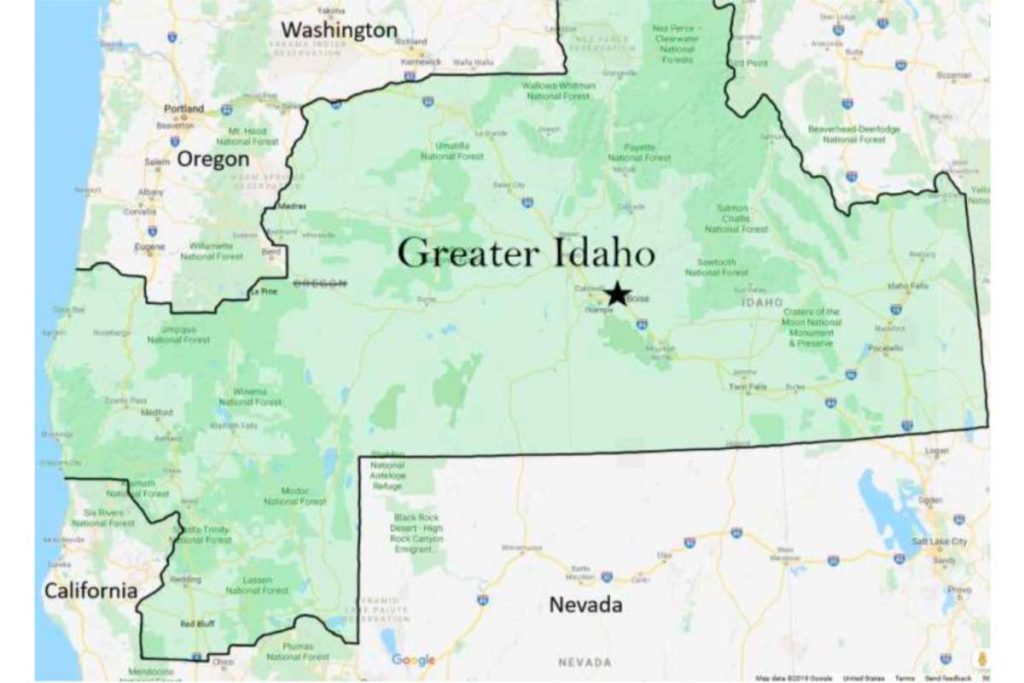
If local secession movements have historically been a measure of America's political temperature, than the recent proliferation of county level secession movements in six states is a worrisome sign.
Capitol Insurrection
David French's comparison of America to Northern Ireland is apt, but his GOP-as-Sinn Fein analogy casts the principal players backwards. Donald Trump isn't America's Gerry Adams. He's America's Ian Paisley.
Stranger to Sorrow
President Biden leaned into the nation's sorrows in his first televised address by channeling the depths of his own grief.
Fight Club
David Fincher's classic movie of male ennui has been an undercurrent and touchstone to recent political and social events.
Three Heartbeats Away
The "Great Man" theory of History bites back.
Mike Pence
Mr. Pence has an outsized role to play in popping the helium balloon of misinformation. He must tell what he knows.

Subscribe To Our Newsletter