Introduction
What happened to all the good guys?
In the span of little more than half a century, America’s cinematic heroes have undergone a remarkable transformation. The protagonists who once embodied courage, self-restraint, and civic virtue have increasingly given way to criminals, assassins, vigilantes, and sociopaths.
Characters who would once have served as a movie’s villains now occupy its moral center. And audiences are not merely asked to understand them, but – in ways both subtle and overt – to admire them. It used to be the bad guys who wore the black hats. Now, it appears that good guys wear black, to paraphrase a 1978 film of the same title.
This change has been gradual enough that it is easy to overlook. But compare the heroes who dominated American film and television in the 1960s with those on the screen today and tell me that I’m wrong.
Earlier generations gave us principled lawyers, self-sacrificing fathers, incorruptible lawmen, and idealistic explorers. Today’s movie landscape is populated by mob bosses, cartel kingpins, serial killers with carefully defined moral codes, emotionally scarred vigilantes, and professional assassins whose extraordinary competence encourages audiences to cheer their latest body count.
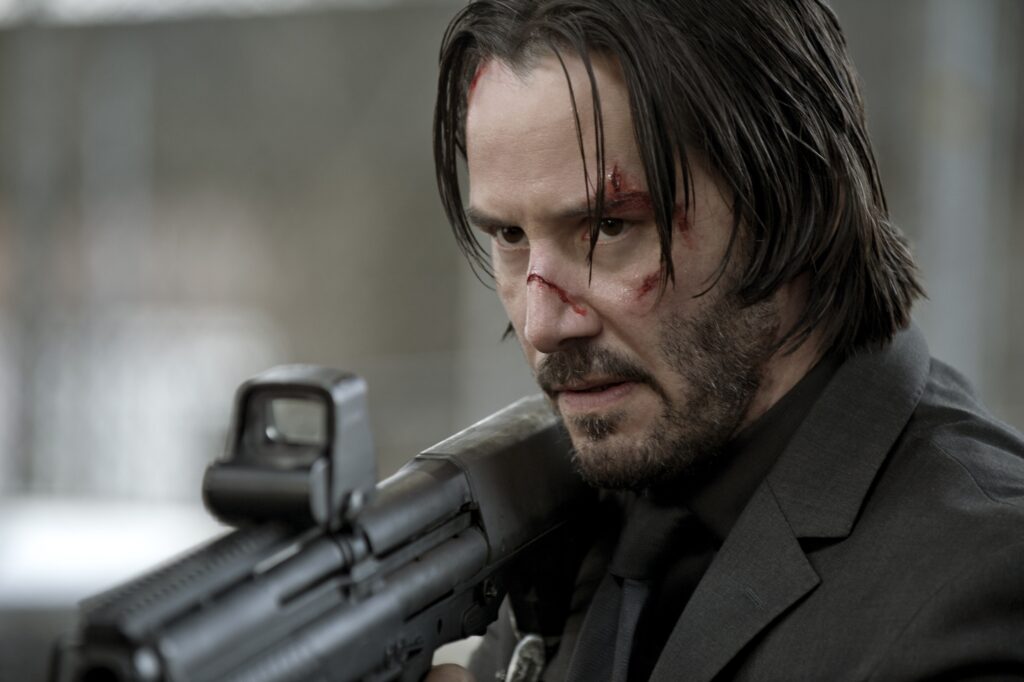
Something fundamental has changed—not simply in Hollywood, but in the relationship between American audiences and the fictional characters they have chosen to embrace.
From Classic Heroes to the Inverted Hero
How and why did this happen?
Part of the answer lies in broader changes within American society. The political upheavals of the early 21st century, declining confidence in institutions, rising cultural polarization, and a growing distrust toward authority made morally compromised protagonists seem more plausible.
Yet these developments by themselves can’t explain the breadth of the transformation.
Other societies have also experienced profound crises without elevating villains to heroic status. Nor has Hollywood been a passive mirror of public opinion. The film industry has made deliberate creative choices that altered the moral architecture of American storytelling.
In this post, Greymantle argues that American popular entertainment has undergone a three-stage moral evolution over the past 60 years.
The classic hero first gave way to the tragic anti-hero, a flawed protagonist whose moral failures remained a source of conflict and tragedy. More recently, the antihero has evolved into something altogether darker: a character whose moral failings aren’t tragic weaknesses, but central components of his/her appeal. We’ll refer to this figure as the Inverted Hero.
These distinctions are important. Moral complexity is not the same thing as moral inversion. Shakespeare’s Macbeth is morally complex. So is Mario Puzo’s Michael Corleone. Neither is intended to serve as an object worthy of admiration.
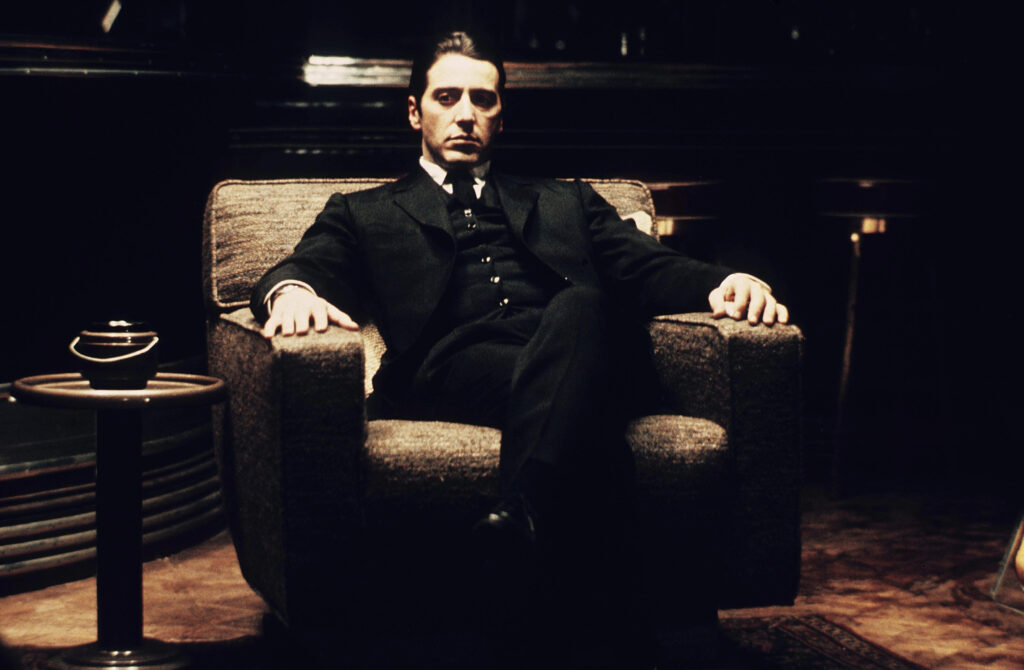
By contrast, the Inverted Hero invites audiences to celebrate qualities that previous generations would have regarded as deeply suspect – lawlessness, duplicity, mendacity, mercilessness and sadism. The Inverted Hero isn’t admired despite such qualities — but because of them.
Competence as A Substitute for Virtue
In 21st century American movies and prestige television, competence substitutes for virtue. Personal ‘codes’ replace universal moral principles. Effectiveness eclipses justice.
Hollywood did not pursue this transformation in a vacuum. Hollywood reflected important cultural shifts that were already underway by the late 1970s.
But via the collapse of the old Production Code, the New Hollywood’s creative revolution, and the commercial incentives of prestige television, it helped normalize a new conception of heroism—one in which the line separating hero from villain became progressively harder to discern.
The story of how America learned to love the bad guys is about more than changing cinematic tastes. It is a window into the changing moral imagination of America itself.
Foundations: The Heroic Tradition
Before we can understand how the American hero changed, we first have to understand who these heroes once were, and where they came from.
For much of the twentieth century, Hollywood operated according to an assumption that now feels almost quaint: that the protagonist of a story ought generally to be a person whose character is worthy of admiration, and moreover, deserved to be imitated.
Audiences were expected to admire courage, honesty, loyalty, self-restraint, and a willingness to sacrifice private interests for the common good. A hero might possess serious flaws—as all human beings do—but those flaws were obstacles to overcome rather than characteristics to celebrate and valorize.
This implicit understanding shaped generations of American storytelling.
Heroism and Its Moral Architecture
Whether the setting was a small town, the western frontier, a courtroom, or the bridge of a starship, the central question remained consistent. The hero was not simply the individual who possessed the greatest physical strength or intelligence. He was the person who exercised those gifts in the service of some recognizable common good.
Consider Gregory Peck’s portrayal of Atticus Finch in the 1962 film To Kill a Mockingbird. Finch’s heroism does not arise from physical prowess or tactical brilliance. It stems from his willingness to defend an innocent man despite public hostility.
Likewise, Gary Cooper’s Marshal Will Kane in High Noon (1952) remains in town to confront a gang of outlaws after his neighbors abandon him. His courage consists not merely in facing danger alone but in sticking to his public duty as lawman when retreat would have been both safer and easier.
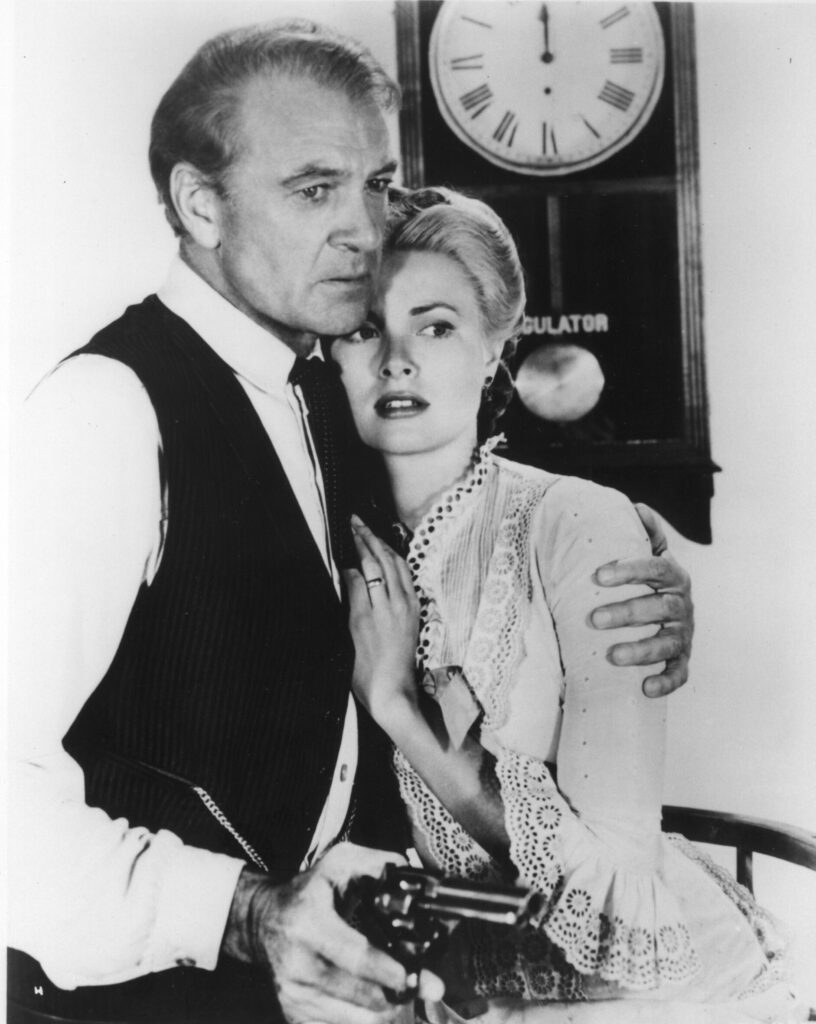
Gary Cooper’s title character in Mr. Deeds Goes to Town (1936) isn’t faced with the same level of danger as Will Kane in High Noon but nevertheless stands up against considerable social pressure and the expectations of friends and family to perform a public service.
Or consider practically any character played by Jimmy Stewart throughout his long career, from the protagonists of It’s A Wonderful Life, Rope, or The Man Who Shot Liberty Valance, and you’ll be left with a strong impression of the type of heroism that was expected of the characters played by American leading men between the 1930s and the 1960s.
Even characters operating in more fantastical settings reflected the same moral architecture.
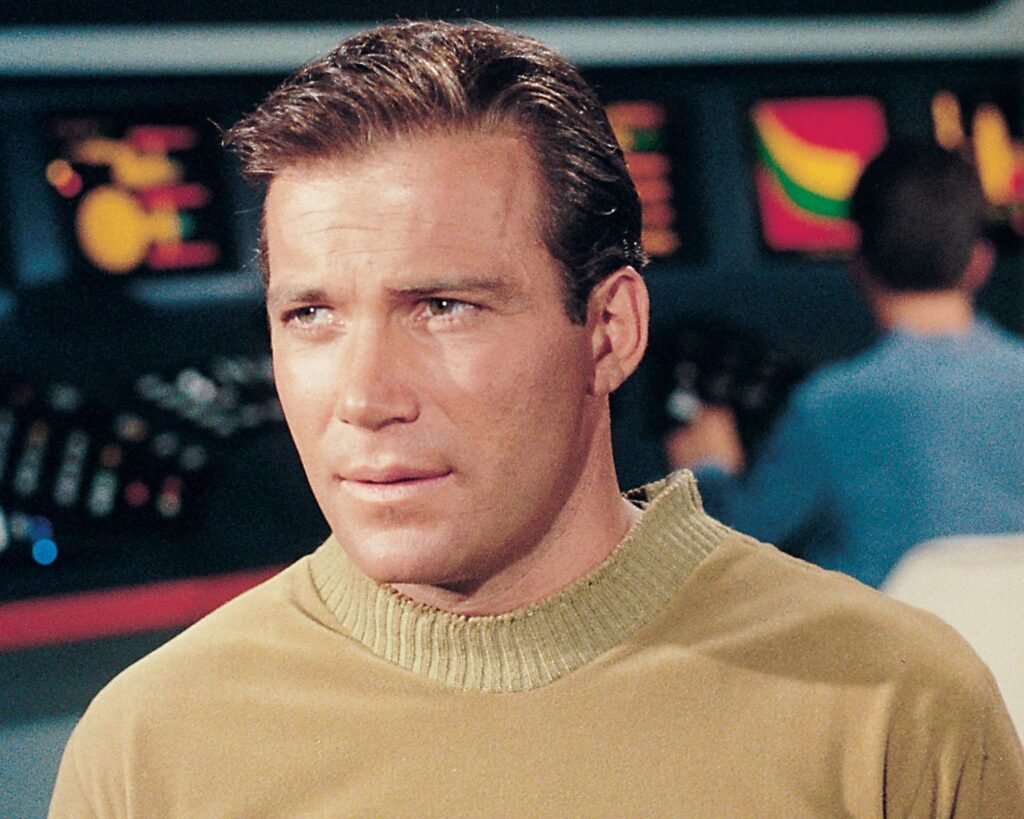
Captain James T. Kirk of the starship Enterprise in the original Star Trek series (1966-69) relied on a combination of technical ingenuity and decisive leadership to prevail over his opponents, but his greatest victories were achieved not through smarts alone but through sound moral judgments – particularly clear-eyed evaluations of the ethical flaws of his adversaries.
Superman‘s immense power was meaningful precisely because it was restrained by a profound sense of ethical responsibility. Even the edgy superhero Batman, despite his emotional darkness and relentless methods, refused to kill his criminal opponents. His refusal to take human life was not a narrative inconvenience but the defining boundary separating justice from vengeance.
Competence Alone Was Insufficient
These heroes were certainly competent. Indeed, competence was expected of them. But competence unleavened by other virtues was never sufficient to turn a character into a hero.
Skill without virtue produced the villain — not the hero. And the audience’s admiration rested ultimately on the character’s moral choices rather than his or her effectiveness.
That distinction now appears almost self-evident, yet it represents one of the defining assumptions of classic American storytelling. A hero’s abilities mattered because they served his character. They were instruments of virtue, not substitutes for it.
Heroes as Moral Exemplars
The classic — and we might also say ‘classical’ — Hollywood hero also performed a function extending beyond mere entertainment. That is because Hollywood’s early narrative traditions were grounded in older forms of storytelling arising from ancient and medieval history, Elizabethan and Jacobean stage dramas and widely known folk legends.
Stories have always served as vehicles for moral instruction, whether intentionally or not. Every civilization tells stories that communicate the qualities it considers admirable. Ancient myths celebrated courage, wisdom and sacrifice. Medieval romances elevated honor and fidelity.
The American cinema of the mid-twentieth century likewise presented audiences with protagonists who embodied the civic virtues upon which a free society ultimately depends.
This did not mean that Hollywood ignored moral ambiguity or human weakness. Films such as On the Waterfront (1954), the original Cape Fear (1962), and 12 Angry Men (1957) explored prejudice, fear, corruption, and personal failure with remarkable sophistication.
But those stories never lost sight of the distinction between virtue and vice. Their dramatic tension arose precisely because moral choices mattered and because redemption remained possible for the protagonists.
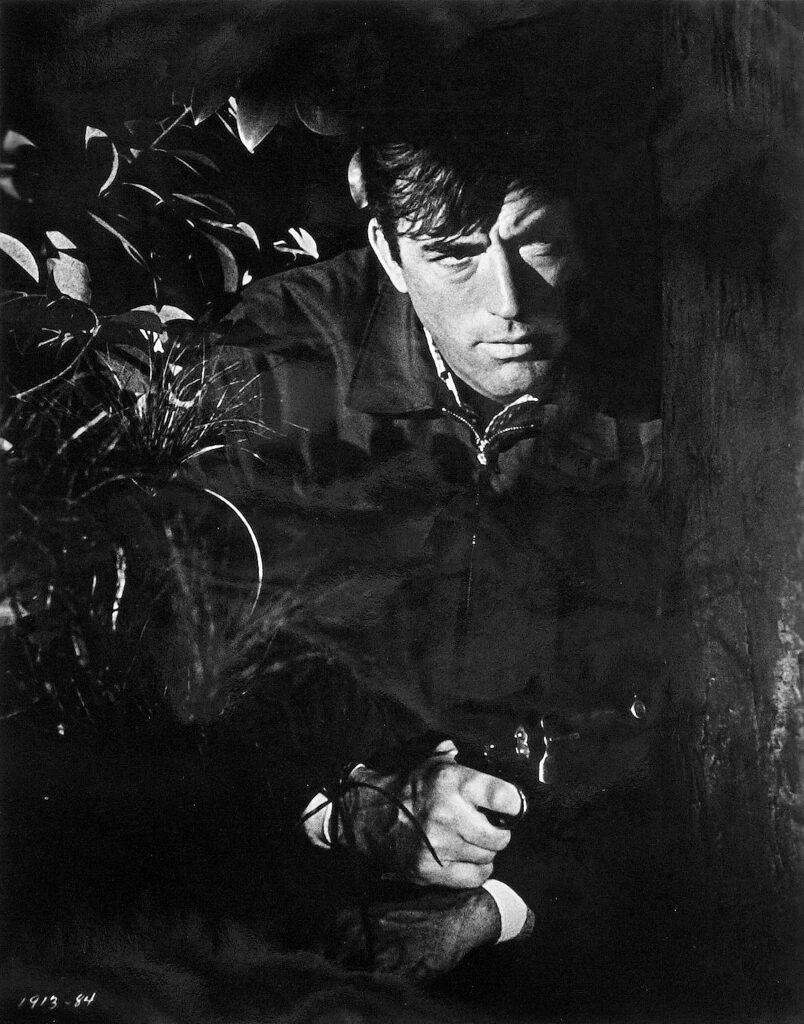
The heroes of that era therefore functioned as moral aspirations rather than psychological case studies. Audiences were invited to ask not merely, “Is this character believable?” but “Is this someone whose behavior I ought to emulate?” Heroism was therefore measured less by authenticity than by aspiration.
The old assumptions didn’t not disappear overnight. But they gradually eroded as Hollywood deliberately abandoned an older understanding of the purpose of storytelling in favor of one preoccupied with transgression and moral ambiguity.
The result was not simply a new style of filmmaking but a transformation of the American moral imagination.
Hollywood Unbound: Why the Industry Stopped Policing Its Heroes
The End of the Production Code
For over three decades, Hollywood productions operated under a straightforward principle: films should entertain audiences without undermining the moral foundations of society. This principle found institutional expression in the Motion Picture Production Code—better known today as the Hays Code—which governed American film production from the mid-1930s until the late 1960s.
21st century audiences tend to remember the Production Code mainly as a system of ‘censorship’. And it certainly was that, at least in part. The Hays Code restricted various depictions of sexuality, profanity, drug use, and graphic violence in ways that now seem restrictive. Yet to view the Code merely as a list of forbidden words and images is to misunderstand its deeper purpose.
At its core, the Production Code sought to preserve the underlying moral logic of classic storytelling.
Crime could be depicted, but it would not be glorified. Criminals might be charismatic, but their crimes could not ultimately be rewarded. Adultery could occur, but it could not be presented as an uncomplicated path to happiness. Evil might triumph temporarily, but audiences were expected to understand that it remained evil.
The Code’s authors believed that popular entertainment inevitably shaped public attitudes, especially among younger viewers, and that the Hollywood studios possessed a responsibility that extended well beyond the box office.
Whether one agrees with every provision of the Code is beside the point. What matters for our purposes is that it rested upon an assumption now largely abandoned: stories possess moral consequences, and that filmmakers and other artists bore some responsibility for the ethical examples they placed before the public.
Economic and Social Pressures ‘Cracked the Code’
By the late 1960s, however, that broad moral consensus had weakened significantly in America – at least among the more highly educated segments of society.
The old studio system was also under economic pressure. Foreign films – particularly those from France and Italy – challenged American social conventions. Court decisions narrowed the scope of censorship. Younger audiences also began to demand greater realism, while a new generation of hip young filmmakers regarded the Code as an ‘outmoded’ relic of an ‘earlier America’.
In 1968, the Motion Picture Association of America replaced the Production Code with the familiar ratings system ranging from ‘G’ for ‘General Audiences’ up to ‘X’ for adult/pornography (the NC-17 rating was introduced in 1990). Instead of asking whether a film should be made, Hollywood now asked only: who should be allowed to watch it?
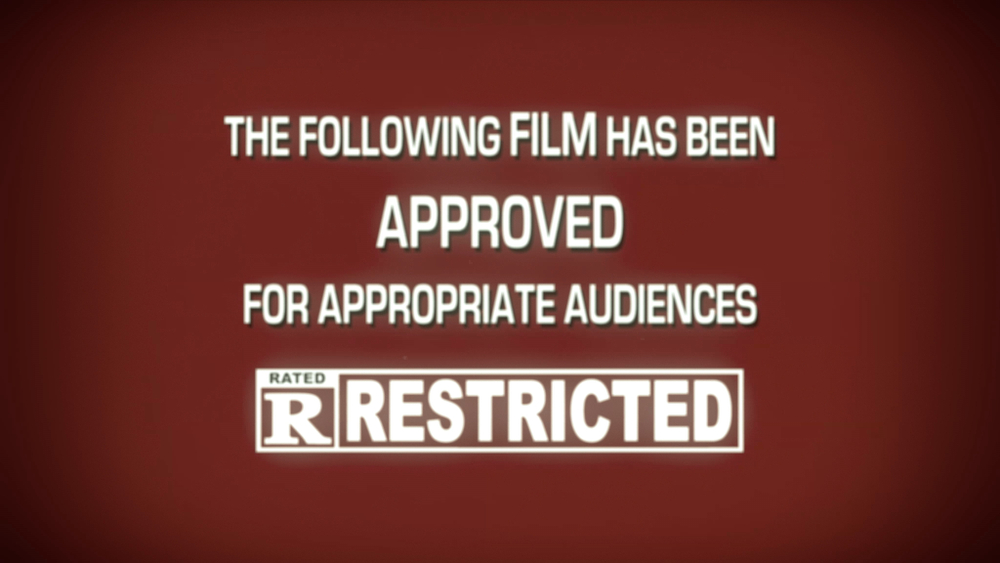
That distinction proved more significant than it first appeared.
The new ratings system did not merely permit stronger language or more graphic violence. In its essence, it removed the industry’s tacit institutional commitment to maintaining a coherent moral framework. From then on, American filmmakers enjoyed unprecedented freedom not only to depict immoral behavior, but to reorganize the moral center of their stories.
The ‘New Hollywood’ Revolution
Hollywood’s new period of artistic freedom and moral liberation coincided with one of the most creative periods in the history of American movies.
The generation of directors who emerged during the late 1960s and 1970s—often referred to collectively as the New Hollywood—produced films of remarkable artistic ambition. They included directors like Francis Ford Coppola, Martin Scorsese, Hal Ashby, Brian DePalma, Steven Spielberg, George Lucas, Sidney Lumet, William Friedkin and Arthur Penn.
Drawing inspiration from European cinema, they rejected many of the conventions that had governed classic filmmaking. Their stories became psychologically richer and visually more daring, but also increasingly skeptical of all modes of traditional authority.
This revolution produced some genuine artistic masterpieces. The Godfather, The French Connection and Apocalypse Now immediately come to mind. Yet that era also transformed the types of protagonists – and the kinds of heroes – that American audiences encountered.
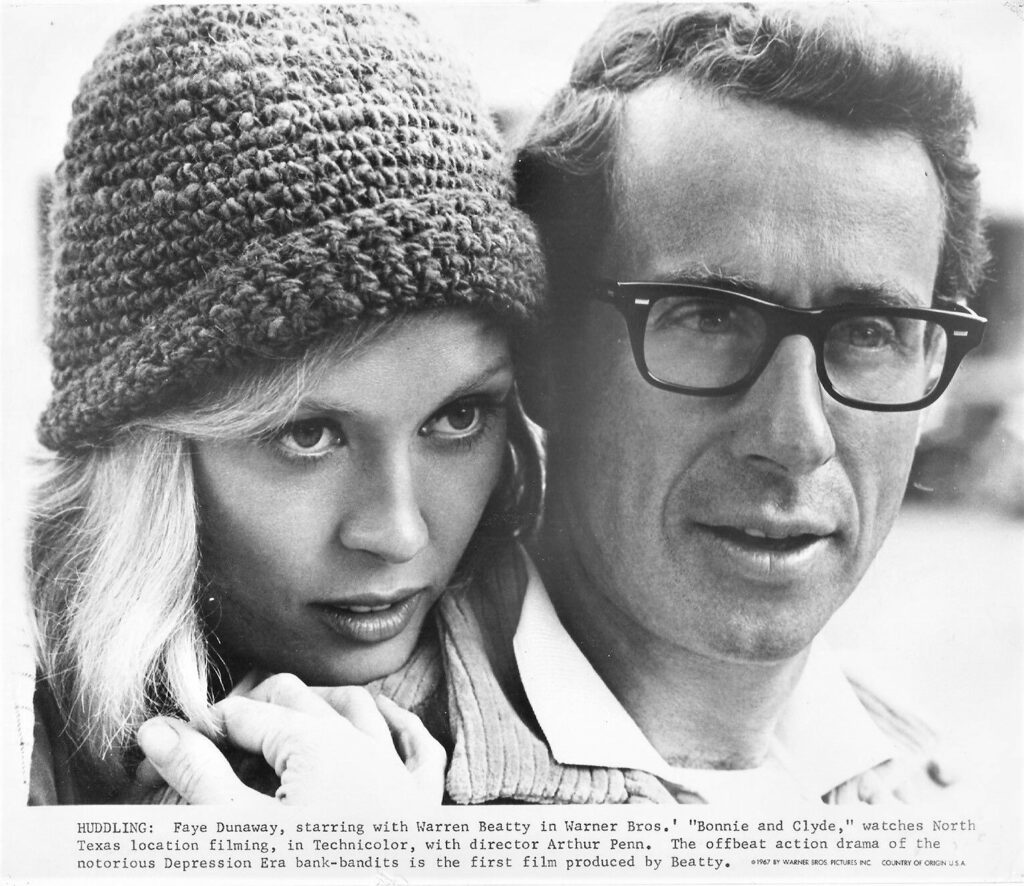
Films such as Bonnie and Clyde invited viewers to sympathize with violent outlaws. The Wild Bunch portrayed aging gunmen with a certain kind of tragic dignity even as those same protagonists left extraordinary amounts of human carnage and death in their bloody wake.
Dirty Harry questioned whether legal institutions had become too constrained to confront violent crime, while The Mechanic quietly – and far more provocatively – asked audiences to spend time inside the disciplined world of a professional contract killer.
None of these films fully embraced the Inverted Hero as we understand the concept today. Their protagonists remained morally conflicted, emotionally damaged, or deeply tragic.
Nevertheless, they crossed an important threshold. For the first time, movie audiences were encouraged to inhabit the perspective of men who would previously have occupied the role of the villain. The shift was subtle but profound.
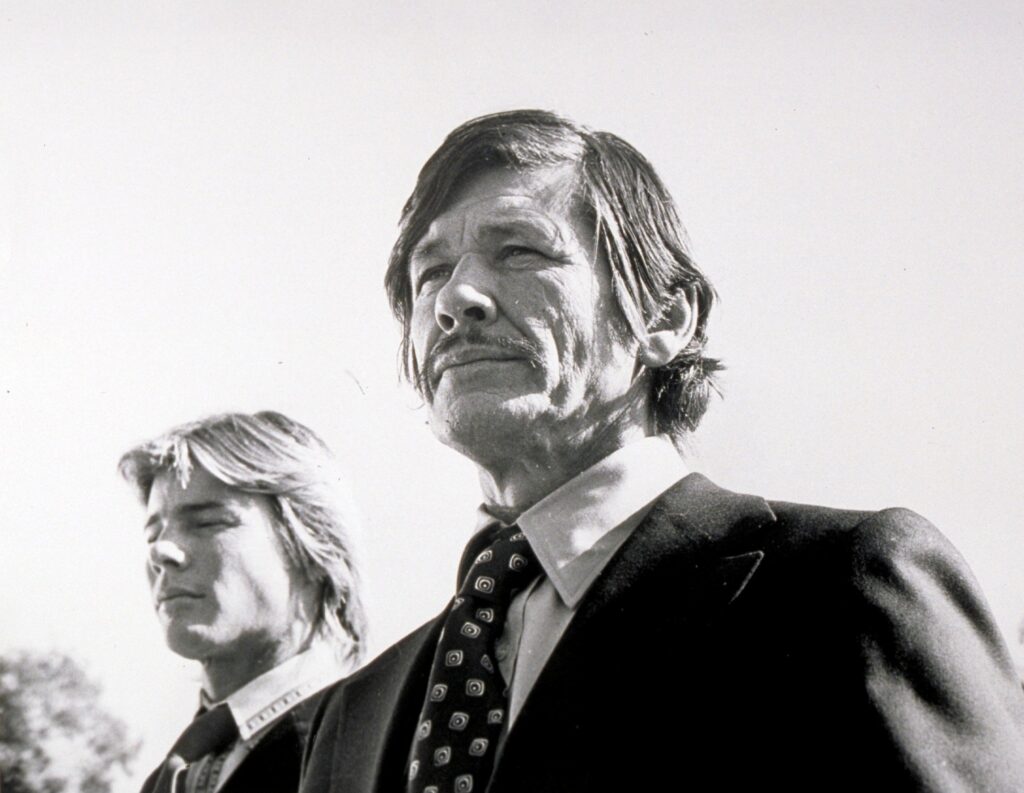
Hollywood discovered that transgression possessed enormous dramatic power. Characters who violated social norms often proved more unpredictable, more psychologically interesting, and ultimately more commercially successful than the upright heroes who had dominated earlier generations of filmmaking.
Shifting sensibilities of this kind have exerted a profound effect on Americans’ cinematic tastes since the late 20th century, which Greymantle unpacked in this July 11 article.
Historical Context Without Historical Determinism
It would be impossible to understand the transformation in the portrayal of American movie heroes on-screen without acknowledging the turbulent decades through which it unfolded.
The Vietnam War weakened confidence in political and military leadership. Watergate deepened public cynicism toward government and boosted political polarization, as many Americans believed Nixon was hounded out of office for committing minor offences, while others viewed Nixon as a kind of crooked American Machiavelli – this difference in perceptions was the start of our current polarization.
Violent crime also rose sharply during the 1960s and 1970s, particularly in American cities. Urban unrest, economic uncertainty, and cultural upheaval combined to erode the postwar optimism that had characterized American life.
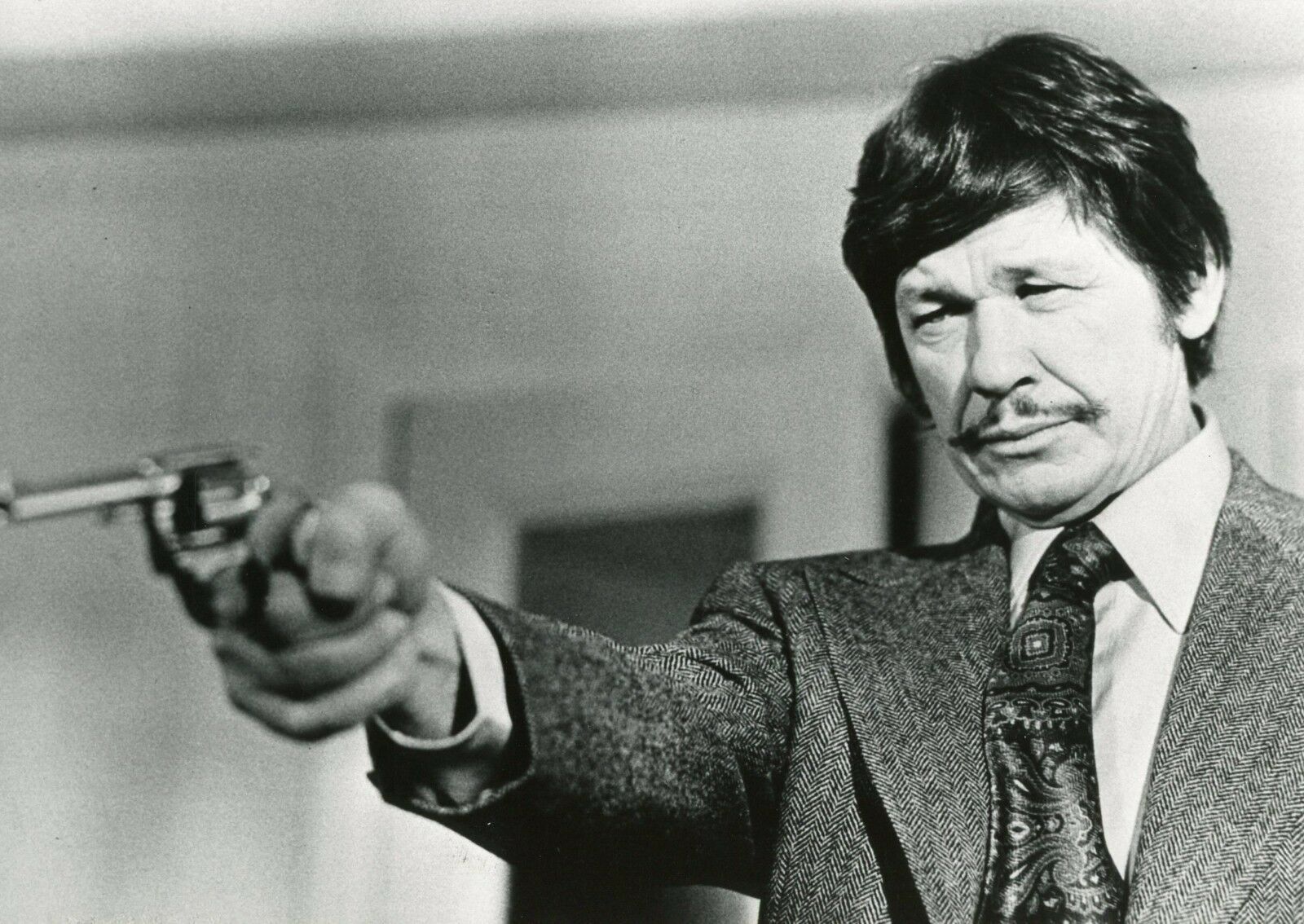
By the mid-1970s, movie audiences had become more receptive to stories reflecting uncertainty, ambiguity, and institutional failure. Films like Death Wish (1974), starring Charles Bronson, succeeded in spite of their protagonists’ questionable moral choices. The spotless hero has become less believable to audiences than the flawed individual struggling through a morally compromised world.
Yet that explanation remains dangerously incomplete.
Vietnam and Watergate, or A New Artistic Philosophy?
Many societies have endured war, corruption, and political disillusionment without consistently redefining villains as heroes. Historical circumstances may create demand for darker stories, but they do not dictate the artistic choices through which those stories are told.
Hollywood’s transformation therefore reflected both circumstance and choice. The collapse of older institutional restraints coincided with a new artistic philosophy that increasingly equated moral transgression with authenticity and sophistication.
Challenging traditional moral assumptions became a mark of seriousness. Artistic provocation acquired a newfound cultural prestige. The boundary-pushing film was no longer merely permissible; rather, it became highly fashionable.
This proved to be one of the most consequential shifts in the history of American entertainment. Once filmmakers ceased assuming that protagonists should function as moral exemplars, the path lay open for an entirely new conception of heroism.
The tragic anti-hero had arrived. But before long, the concept of tragedy itself would begin to blur…and then disappear entirely.
Until next week, I remain —
Greymantle
To be Continued in Part 2