
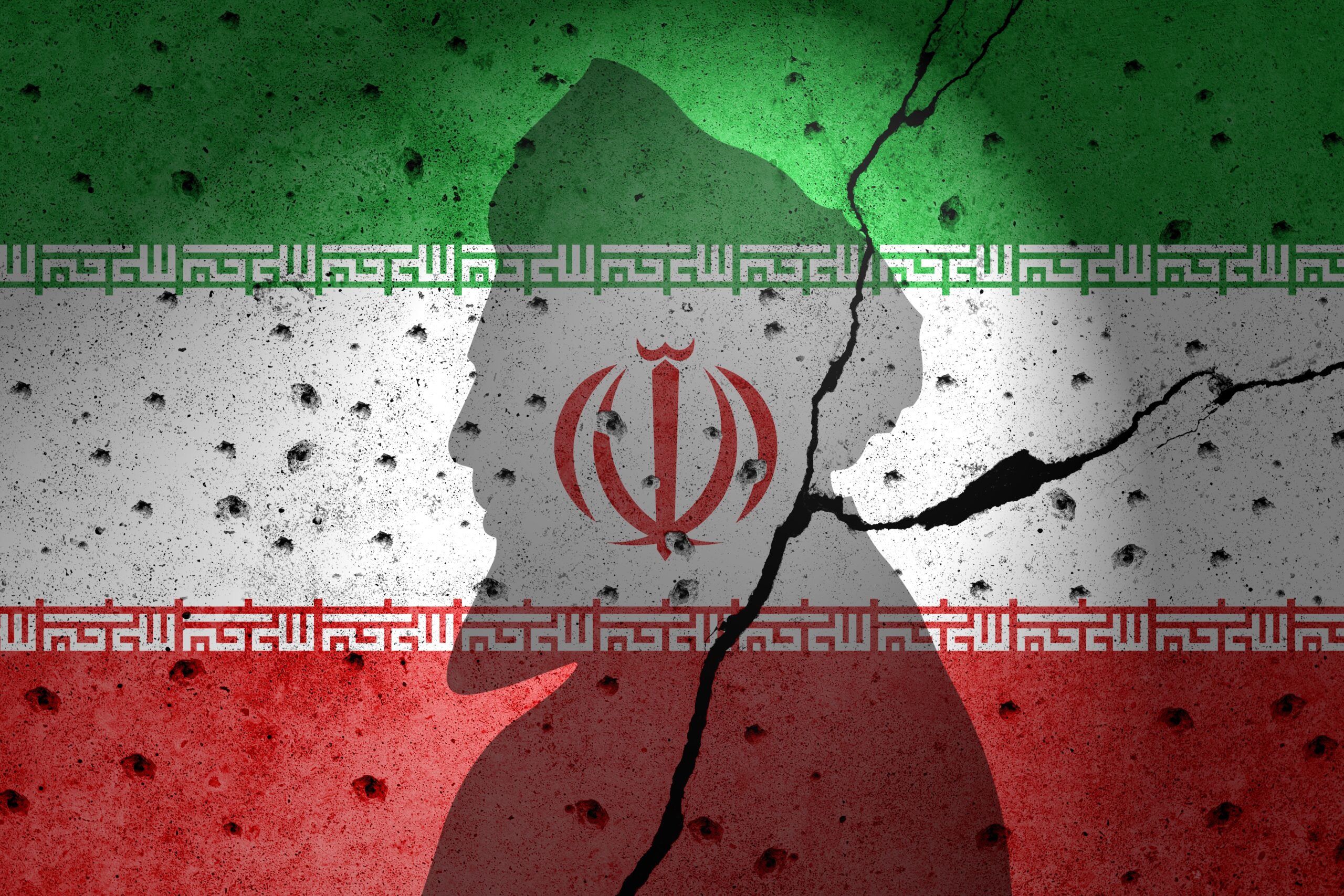
We argued on Saturday in this post that Iran’s Islamic regime faces imminent collapse.
We highlighted that the regime has lost popular legitimacy, its economy is a train wreck, and its “Axis of Resistance” has been systematically dismantled by Israel. Finally, we argued that the regime’s brutality toward its own population in January has destroyed what little loyalty remained.
Some readers have pushed back — fair enough. Predictions about regime collapse should always be treated with skepticism. Political systems – even wounded ones – can stagger on longer than expected.
But the situation unfolding in Iran right now is unusually bleak for the ruling clerical establishment. The regime is far more fragile than many observers realize.
But let me be more specific. Here are ten solid reasons the Islamic Republic is on its last legs — 10 Reasons Why Iran’s Regime Will Fall:
1. The Regime Can’t Pay Its Enforcers
Iran’s economy was already in free-fall before the war started, and now even its security forces are suffering. Soldiers and Basij militiamen are reportedly struggling with back pay and high inflation, and discontent is spreading in the barracks. Some Basij units haven’t been paid in four weeks.
As Fortune notes, “security forces that keep the regime in power have not escaped hardship…they are not fighting back wholeheartedly”. If you can’t pay the troops, loyalty evaporates – history shows that supposedly coup-proof regimes crumble when the gunmen start grumbling.
2. Iran’s New Supreme Leader Has A Target on His Back
On Friday evening, Iran’s Council of Guardians installed Mojtaba Khamenei (son of the late Ali Khamenei) as Iran’s new Supreme Leader, but he’s hardly a strong figure. Israeli commanders had anticipated this move and have vowed to target him, according to Reuters reports. In short: he’s riding a bullet train with a target painted on his head.
Mojtaba is known mainly as a behind-the-scenes Iran Revolutionary Guard Corps insider and the man who ran his father’s ‘Office of the Supreme Leader’ for 25 years. He is an unpopular dynastic choice who most Iranians see as illegitimate. Iranians “do not like dynasties,” having overthrown monarchies twice in the 20th century. Elevating a mid-level cleric son of the former leader feels like a forced monarchy.

Knowing that Mojtaba is as radically anti-Israel as his father and has sworn revenge, the IDF and Mossad are gearing up to eliminate him. Don’t be surprised if the new Supreme Leader doesn’t last out the month.
3. Mojtaba Khamenei Is Unpopular Even Inside the Regime
Even if Mojtaba survives the Israeli assassination campaign, he faces another problem: many regime insiders distrust him. Mojtaba wields much of the IRGC’s money and influence, but he hasn’t earned genuine loyalty. He accumulated enormous power over the years working as his late father’s right-hand man, but he has also accumulated many enemies inside the regime.
In fact, it is not impossible that some factions within the Islamic Republic quietly welcomed Mojtaba’s elevation precisely because it placed a giant target on him. If the Israelis remove him, then the internal rivals who helped elevate him are rid of a competitor without getting their own hands dirty.
4. Top IRGC Leaders Are Dropping Like Flies
The leadership ranks of the Islamic Revolutionary Guard Corps have already taken serious losses. And we are likely only at the beginning of that process. The first week of strikes has decimated the Guard’s command. Israel and the U.S. publicly claim dozens of high-level hits, and independent reports confirm it.
For example, Israel’s military announced this week that an acting IRGC Quds Force commander for Lebanon was killed in Tehran – one of Iran’s top generals. More of the top brass were struck in the opening raids (the IDF boasted 400 targets hit, including “senior terror regime” figures). Another 10–14 days of these targeted assassinations could severely thin out the upper ranks of the IRGC.
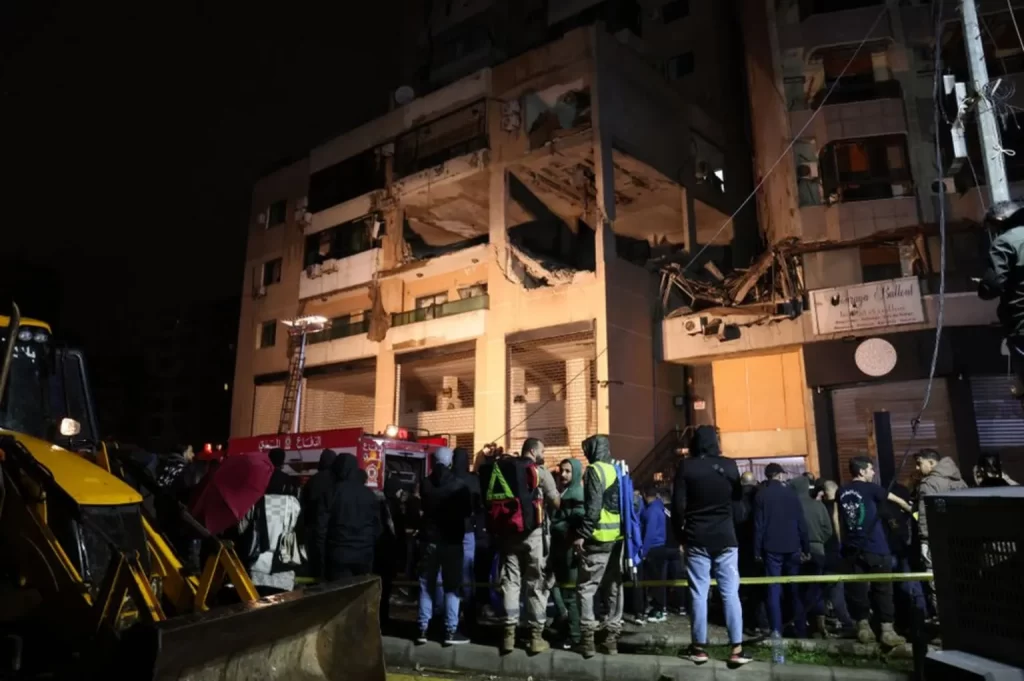
Decapitation campaigns rarely destroy a military organization overnight — but they can produce chaos, mistrust, and paralysis inside its leadership.
5. Iranian Nationalism Has Not Yet Been Fully Activated
Typically, foreign invasion can rally a nation around the flag – but only if civilians become the victims.
So far the U.S. and Israel have tried to focus on military and regime targets. Witness warnings like “don’t hit civilians” and efforts to collapse underground bunkers instead of neighborhoods. The result? Iranians are watching Iranian jets hit IRGC bases and oil depots – not their homes. The lethal bombing of an Iranian girls’ school next to a naval base was a terrible exception to this approach, and likely a targeting error.
Recent protests were crushed ruthlessly, so ordinary people have little love for the clerical regime. Without a massacre of civilians to unite them, Iran’s nationalistic spirit remains quiescent for now. If rockets start raining on Tehran’s apartment blocks, all bets will change – but until then, the populace will blame the ayatollahs.
6. The Blockade of the Strait of Hormuz Won’t Last Long
The U.S. has actively hunted Iran’s small but strategically key naval forces. These are fearful words to write, but it is worth stating plainly that Iran’s navy is being systematically slaughtered.
According to early reports from the conflict, dozens of Iranian warships have been destroyed by the U.S. navy since the opening strikes. This matters because Iran’s ability to disrupt shipping through the Strait of Hormuz depends heavily on those naval assets. Without them, Tehran’s ability to strangle global oil flows collapses.
In the past week, a U.S. submarine torpedoed and sank an Iranian warship (the IRIS Dena) off Sri Lanka, taking the lives of 90 Iranian servicemen in an attack Greymantle viewed as unnecessary – the ship was far away from the fighting and was not targeting U.S. naval vessels. We surmise that the true purpose of the U.S. attack on the IRIS Dena was to send a message to Beijing. More on that in our next post.
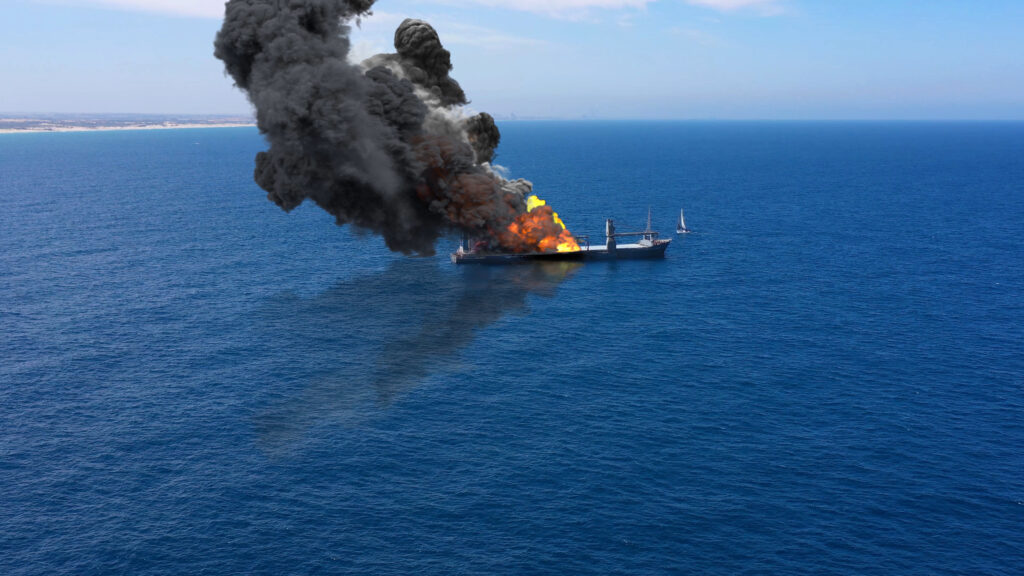
More tellingly, U.S. Central Command reports that it is on track to destroy Iran’s entire navy before the end of March. With no ships left, Iran cannot keep the Strait of Hormuz shut down – within days, oil tankers will sail freely again. Cut off maritime threats, and the regime loses its most effective chokehold on global markets.
7. Iran’s Oil Infrastructure Is Being Targeted
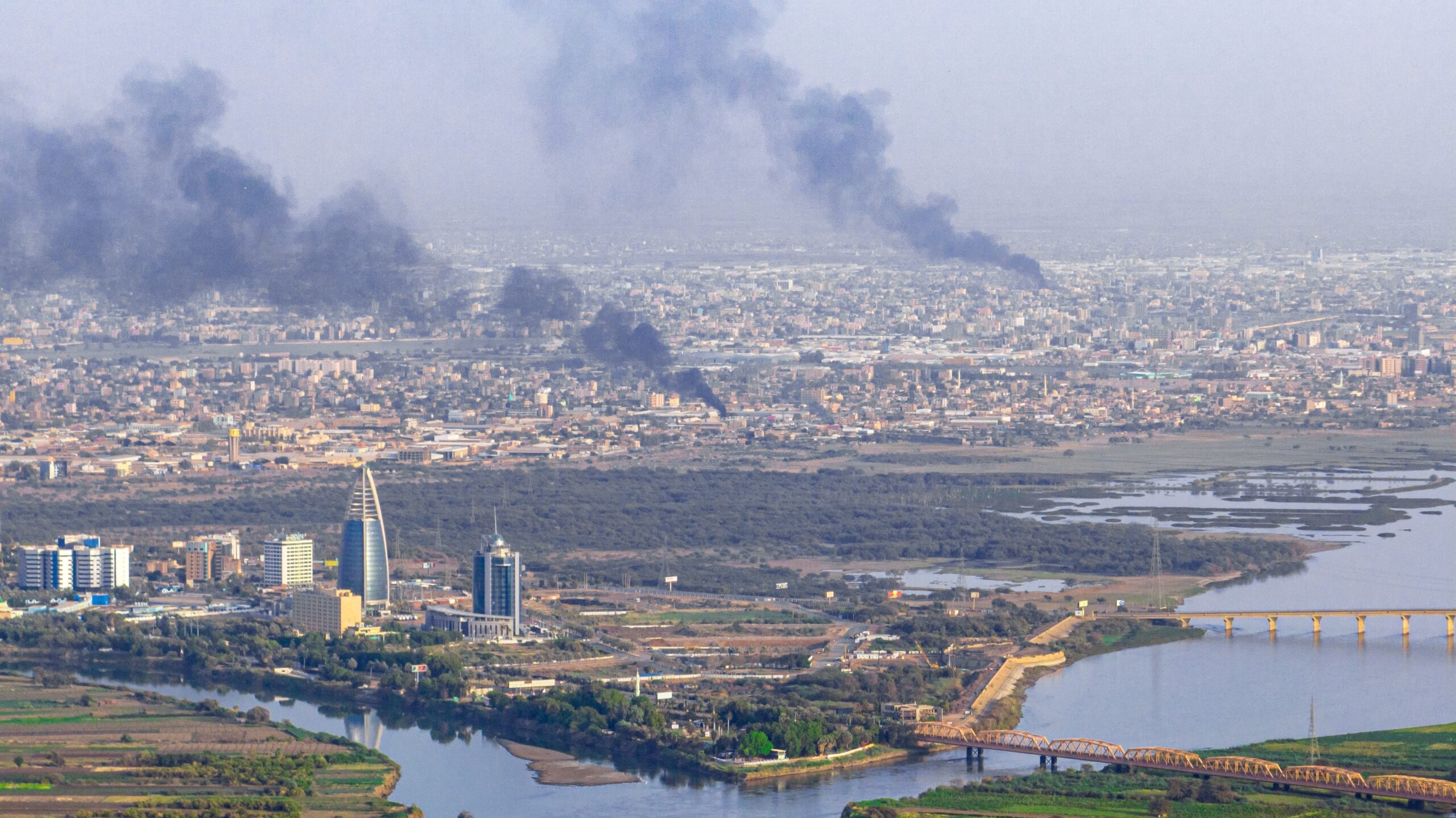
Israel’s air strikes have lit up Iran’s oil storage tanks. Satellite photos and Reuters reports showed huge black plumes rising after attacks on Tehran’s fuel depots. These strikes against Iranian oil infrastructure are more than symbolic. They are a form of financial warfare.
If Iran cannot export oil, the regime loses its primary source of revenue. And if the revenue disappears, the government cannot pay the IRGC, the Basij, or the bureaucracy that keeps the state functioning. Cut the oil, and you cut the regime’s bloodstream. The depots were “a legal military target,” Israeli spokesmen insist.
No oil sales = no income = no money to pay the Basij militia and the IRGC. In practice, once domestic oil flows and refining are knocked out, a regime’s entire economy seizes up. It’s the classic coup de grâce: sever the cash stream and watch ‘the patient’ flatline.
8. Netanyahu Understands the Iranians Better Than Trump
Even if the Trump administration has misjudged the economic fallout from the war or the difficulty of regime change through air power alone, Israel probably hasn’t. For decades, the Israeli intelligence services have studied the internal dynamics of the Iranian regime and the mood of the Iranian public.
It would be surprising if Benjamin Netanyahu and his generals launched this campaign without a very strong sense that the system in Tehran was already cracking. Netanyahu himself knows the Iranian character and Persian history intimately and is known to like and respect Iranian people, while detesting their regime. His repeated messages in Farsi to the Iranian populace that “change is on the way” reflect his thinking.
9. The Venezuelan Escape Hatch Is Gone
In our September 2025 post on the links between the Islamic Republic and Venezuela, I argued something counterintuitive: by the end of last year, it was Venezuela that was quietly propping up Iran. That relationship also gave senior IRGC figures a useful escape route.
But after the removal of Nicolás Maduro earlier this year and his government’s capitulation to Washington’s aims and policies, that Venezuelan escape hatch has effectively disappeared. Now the only plausible destination for fleeing Islamic Regime elites is Moscow — if Putin will have them. Even he may not take them in now, as he is sucking up to Trump in an effort to end the Russia-Ukraine War on favorable terms.
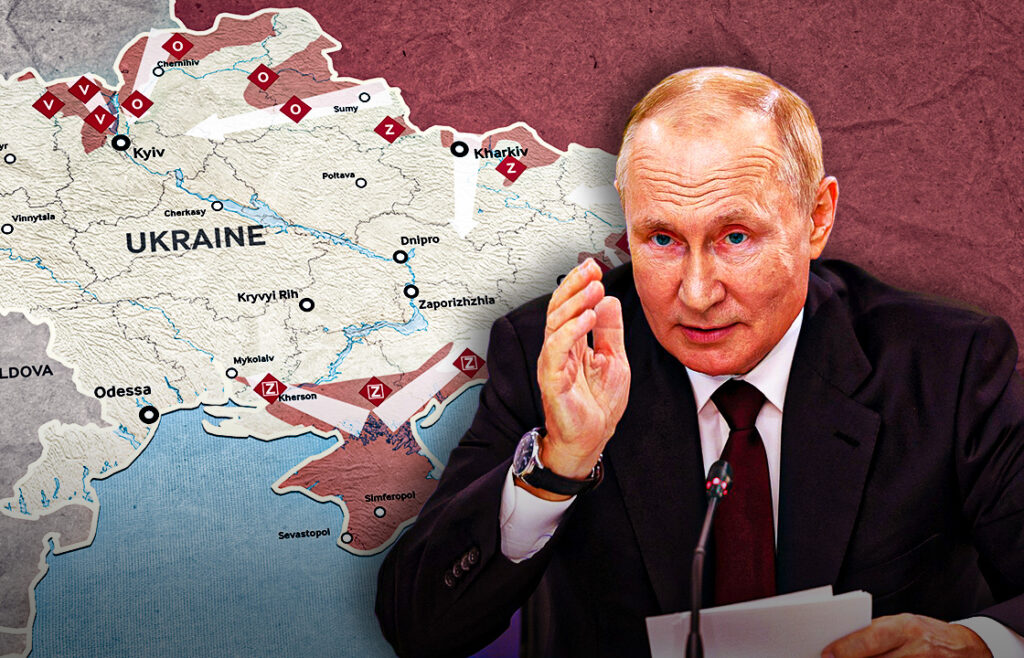
Some will fight to the death. Many others will simply run.
10. Momentum Is A Real Force in History
Finally, there is the momentum of events themselves. Look at what’s happened in the past 18 months: every one of Iran’s allies was taken down.
First the leadership of Hezbollah was systematically liquidated in 2024. Then came the collapse of Bashar al‑Assad’s regime in Syria later that year, partly as the result of pressure on Hezbollah and the Iranians that left them without the resources to continue propping up Assad.
Then came the capture of of Nicolas Maduro in Venezuela by U.S. special forces in early 2026. One by one, Iran’s allies have been defeated, weakened, or removed from power.
History sometimes moves slowly. And then, suddenly, it accelerates. Right now, the momentum of events is running hard against the Islamic Republic.
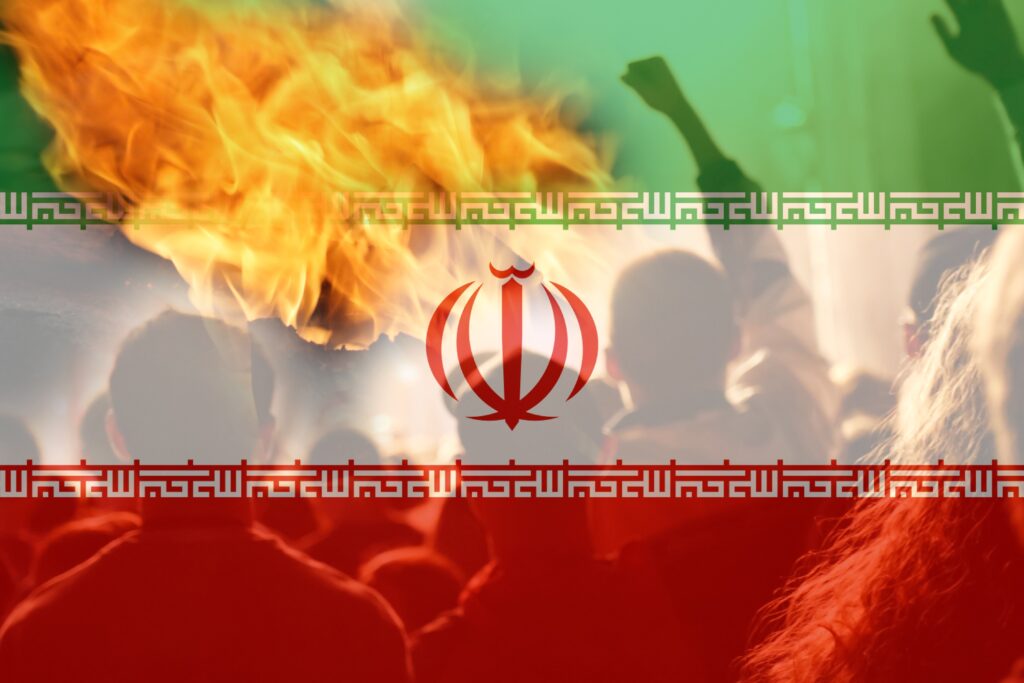
In short, these problems are not temporary hiccups – they’re structural failures. The regime entered this conflict bankrupt in legitimacy and resources. Now every air strike, every sunk ship, every defection only tightens the vice.
It’s smart to watch these developments with cautious skepticism – history has surprises – but all the signs point to the clerical regime’s collapse as nearly inevitable. Don’t say we didn’t warn you. The endgame for the Islamic Republic is upon us.
Until next time, we are —
Greymantle
Sources: Recent reports from Reuters, the Associated Press, Atlantic Council analysts, and others on the February–March 2026 US–Israel strikes in Iran, plus background analysis on Iran’s economy and social unrest. All facts above are drawn from these and similar open sources.


8 Responses
I’ve been exploring for a little bit for any high quality
articles or blog posts on this kind of house .
Exploring in Yahoo I finally stumbled upon this website.
Studying this information So i’m glad to convey that I’ve a very excellent uncanny feeling I discovered just what I needed.
I such a lot indubitably will make sure to do not fail to remember this website and give it a
look regularly.
Josette – Thanks so much for your message. We appreciate your kind words! Please consider becoming a subscriber.
We are a small site with big plans and will have more fascinating articles published soon.
Kind regards, IG
I have fun with, result in I discovered just what I used to be taking
a look for. You have ended my 4 day long hunt!
God Bless you man. Have a great day. Bye
These are genuinely impressive ideas in about blogging.
You have touched some fastidious factors here.
Any way keep up wrinting.
Thanks for your message, Wilhelmina. We’re glad to you enjoy the content and our recent piece about the Iranian regime.
Please consider subscribing to our newsletter, and we encourage you to continue providing reader feedback.
Kind regards, I. Greymantle
Hello just wanted to give you a brief heads up and
let you know a few of the pictures aren’t loading correctly.
I’m not sure why but I think its a linking issue. I’ve tried it in two different web
browsers and both show the same results.
Kirby – Thanks for the heads up about the photos. Could you please be more specific about which articles have photos in them that are not loading correctly? We’d like to pinpoint the issue as accurately as possible.
Regards, IG
You could definitely see your skills within the work
you write. The arena hopes for more passionate writers such as you who are not afraid to say how
they believe. At all times go after your heart.