I really hate being wrong. It’s a messy, inconvenient business that usually involves eating a fair amount of humble pie—which, for the record, does not taste at all like the single malt Scotch that I’d planned to be drinking in a post-clerical Tehran by now.
Let me be brutally honest: humble pie doesn’t taste good. Not one damn bit.
In early March, Greymantle stood before our readers and declared with a confident, even hubristic 98% certainty that Iran’s regime would collapse “within weeks.”
On March 7, Greymantle looked at the Iranian rial’s hyperinflation, the death of Supreme Leader Khamenei, a sunk navy and a demolished air force, Israeli targeting of Iran’s top brass, and smoke still rising from January’s popular uprisings, and I saw an ending, not a continuation.
We followed up that prediction with a second, more detailed post on March 11 that outlined the ten reasons why we believed Iran’s regime was about to fall.
Today, as of May 9, 2026, we are living within my 2% outlier scenario, which has proved more spacious than I could have imagined. Hence our title for this week’s post: “What Does Humble Pie Taste Like? Why the Iranian Regime Defied My Forecast of Collapse”.
A Failure of Weighting and Intent
The Islamic Republic has survived; and it has also dug into a lethal stagnation that has defied my earlier predictions, as well as the Mossad’s and Trump Administration’s pre-war assessments, which were probably a bit over-optimistic from the get-go.
In retrospect, there was a failure of weighting and intent in my meta-analysis.
We, er, more correctly, I — since Richard, Alex, Robert and Gideon did not agree with my forecast of a swift collapse — may have accurately enumerated the regime’s weaknesses, but I underestimated its willingness to commit regional arson to stay alive.
In the first days of 2026, weeks before the U.S. and Israel launched their aerial assault on the Islamic Republic, all the kinetic momentum and even the weight of history was moving swiftly against the regime. The regime had been humiliated in the June 2025 ‘12 Day War’. Its ‘Axis of Resistance’ was in tatters. Protests were spreading and turning into riots.
I think the regime recognized the likely trajectory of events in early January. What they did next was akin to what happens in science fiction movies when a crippled spaceship tips into the atmosphere of a hostile planet and descends at an accelerating pace, wreathed in flame, towards the planet’s surface.
Iran ‘Hits the Thrusters’
Just before the ship crash-lands, the captain and the crew ‘hit the thrusters’ and fire missiles and lasers, or whatever, against the force of gravity, reversing the flow of force and catapulting the injured spacecraft back up into the atmosphere.
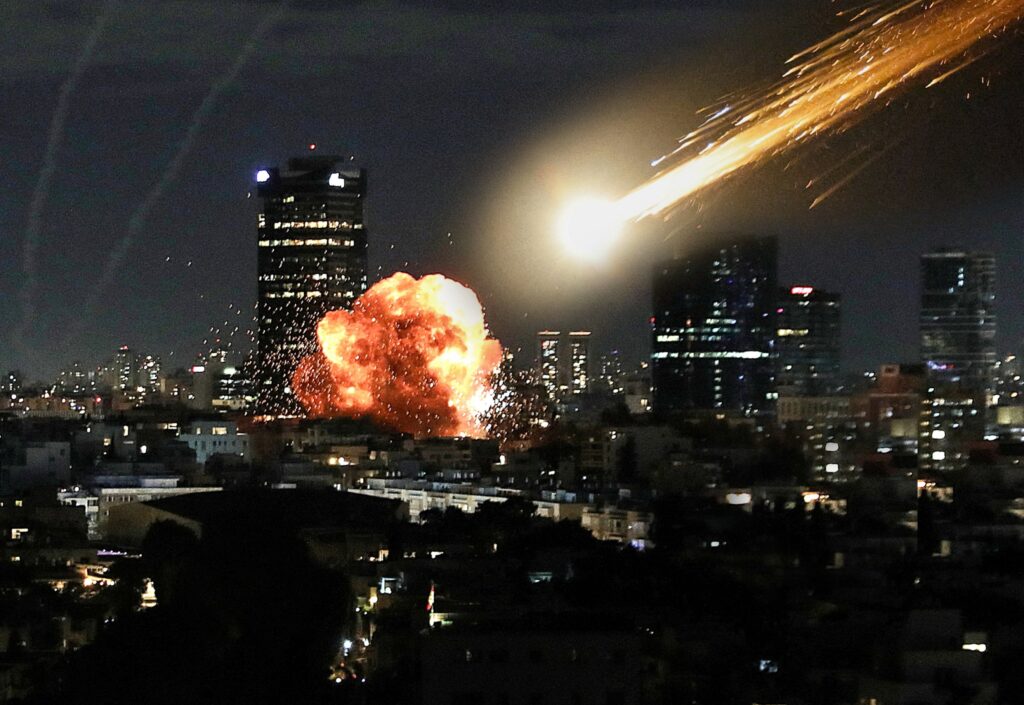
The regime’s massage discharge of violent force against its own population, and then against its neighbors in the Gulf Cooperation Council and regional U.S. military bases, was executed with such overwhelming ferocity — some 13,000 missiles were launched at Gulf targets in one week – that it arrested the regime’s descent. The Islamic Revolutionary Guard Corps (IRGC) ‘hit the thrusters’ and lifted Spaceship Iran away from collapse.
In the process, the IRGC and clerical establishment have transitioned from jointly governing a militant religious state to being a regional hostage-taker, using what I’ve come to call the “Hormuz Throttle” to outlast a superior military force.
Hegseth’s Hubris and the Asymmetric Chokehold
The first data point I failed to weight accurately was the efficacy of Iran’s maritime “Trump Card” (yes – pun intended). Senior Pentagon leadership, including Secretary of War Pete Hegseth, operated under the conventional assumption that once Iran’s “blue-water” navy was at the bottom of the Persian Gulf, the Strait of Hormuz would be secure.
Given that they have access to top-secret U.S. military satellite data and the intelligence assets of the CIA, I was confident that they knew a thing or two that I did not, and that was why they were so confident of victory.
But it turns out they were also wrong.
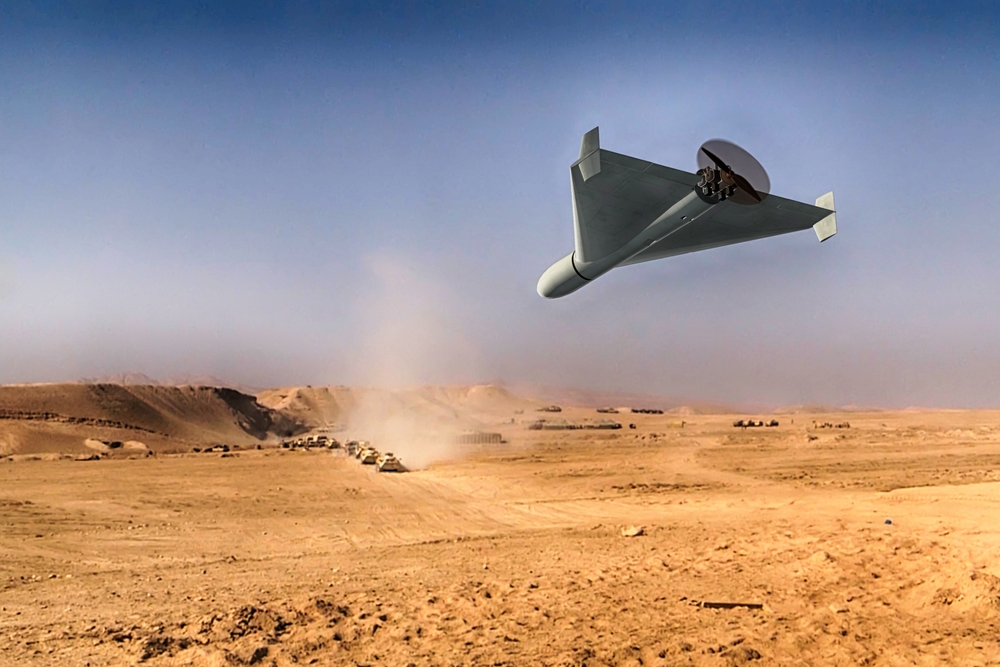
While the U.S. Navy successfully blockades Iranian ports, the regime has proved that you don’t need a single seaworthy cruiser to hold 20% of the world’s oil hostage. A swarm of low-cost drones, small attack craft, and archaic floating water mines have achieved a strategic parity that the American “War Department” failed to adequately plan for.
By effectively taxing global trade and enforcing a selective blockade, Tehran has turned its global pariah status into a form of dark sovereignty.
The Success of the ‘Mosaic Defense’
I similarly underestimated the effectiveness of IRGC’s much-vaunted “mosaic strategy.”
By decentralizing their command into 31 semi-autonomous regional units, the IRGC ensured that the loss of central leadership did not trigger collapse. They didn’t need a unified brain to keep the limbs moving; they just needed a reflexive instinct for survival.
These decentralized units have maintained domestic order and continued asymmetric missile and drone strikes against the U.S. and GCC without requiring a green light from a paralyzed Tehran. And they have managed to paralyze the Strait of Hormuz, taking 20% of the world’s oil hostage, and at a minimal direct cost in men and material.
It’s painful to admit: The IRGC’s mosaic strategy has worked exactly as planned. I hate to say so, but kudos to those motherfuckers.
The Apocalyptic Pivot: Pummeling the Persian Gulf
Perhaps the most jarring error was my assumption that Iran would respect traditional diplomatic “red lines.” I fully anticipated strikes on U.S. assets in the Gulf, as well as a high likelihood of strikes against domestic assets in Bahrain and Kuwait for their sin, in Iran’s eyes, of hosting U.S. military bases.
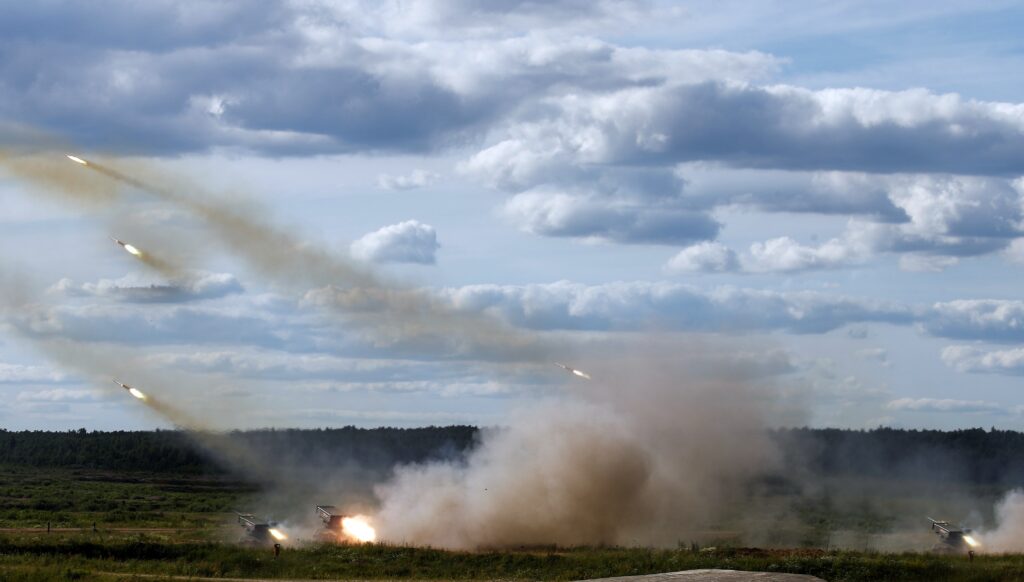
What I did not expect, however, was Iran’s systematic pummeling of the UAE, Oman, Qatar and Saudi Arabia with over 5,000 drones and missiles. That possibility seemed very hard to imagine before March.
I mean, Qatar? The tiny emirate is the closest thing the Iranians have to a friend in the Persian Gulf. What would motivate them to strike at the emirate that owns the Al Jazeera news network? That seems like something that the Israelis might do, and did do, last year.
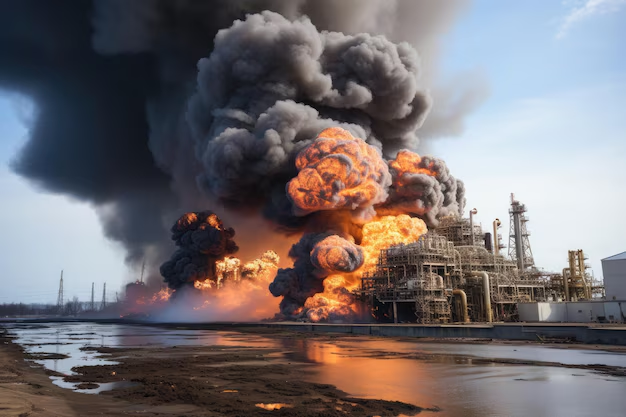
Iran’s March 18th strike on Qatar’s Ras Laffan LNG hub, which knocked out 17% of capacity, was a true watershed moment. By hitting the domestic economic crown jewels of “neutral” neighbors and threatening the desalination plants that are the literal lifeblood of the Kuwaiti and Emirati populations, Tehran opted for a “Coercive Risk” strategy.
The IRGC apparently decided that if their regime was about to be dismantled for real, then the “Gilded Age” of the Persian Gulf will be buried alongside it. Both the U.S. and the GCC were caught flat-footed by Iran’s apocalyptic trigger-pulling. By the IRGC decided to pull out all, and I mean all, the stops.
The Keys to the Graveyard
Finally, I misjudged the psychological toll of the January massacres. I expected the estimated 30,000 deaths during the January 8–9 peak to act as fuel for a final push by an embittered populace to topple a regime without legitimacy. Instead, the massacres acted as a sedative.
In retrospect, the exiled Crown Prince Reza Pahlavi and President Trump made a big mistake in endorsing the Iranian protests that erupted in the Tehran bazaar and spread quickly throughout Iran in late December and early January. I think they believed that the regime had been so weakened and humiliated by the June 2025 ‘12-Day War’ that a popular uprising could uproot the ayatollahs on the cheap.
The regime was clearly terrified. A government does not massacre 30,000 of its own citizens, wounding an estimated 200,000 more, unless it believes that its only choices are reaching for the gun, or putting a noose around its own neck. Desperation makes people do terrible things.
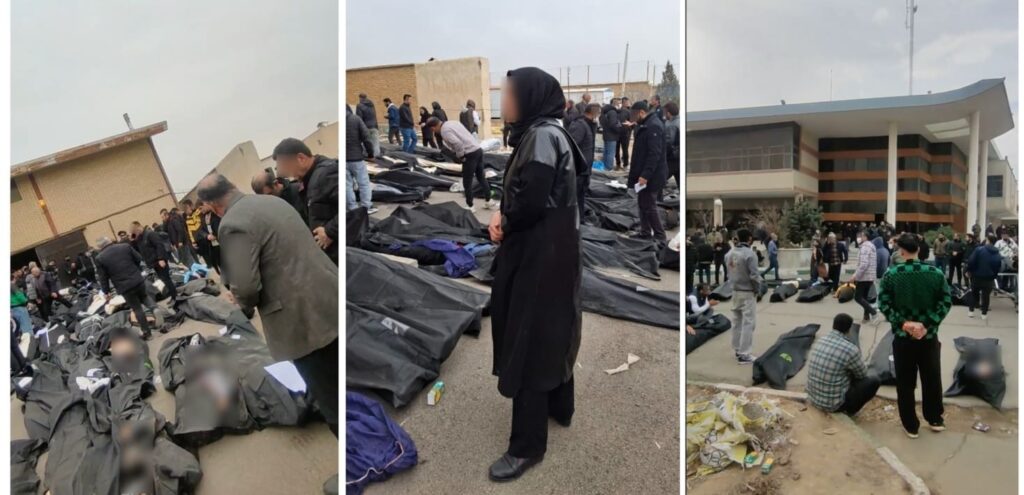
President Trump and the Crown Prince made the wrong bet. It turns out that ‘regime change’ in Iran won’t come on the cheap. Or even after a war with a price tag of $200 billion of U.S. taxpayer dollars (that’s the Pentagon’s estimated cost of the Iran War as of late April).
Big Mouth Strikes Again
President Trump should never have suggested on Truth Social that the United States had the power to protect the protesters. U.S. naval assets were still far from the Persian Gulf on January 8 – too far to help.
But Trump’s words emboldened both the protesters and the regime. The protesters burned police stations and even apparently several mosques, the latter an incredible development within the Islamic Republic. Sensing the end was near, the regime threw all restraint to the wind and leaned into violent reprisals.
If I could describe Trump’s Truth Social post warning Iran that “they had better not shoot any protesters” using the title of any song by 80s rock band The Smiths, I think it would be “Big Mouth Strikes Again”, because that was the practical effect.
The regime’s “Gallows Strategy” has been horrifyingly effective. In 2025, monitoring groups reported 2,028 executions; 2026 is currently on track to surpass that grim record. In just the last few weeks, the surge has been relentless.
On May 2 alone, the executions of Yaghoub Karimpour and Nasser Bakrzadeh in Urmia underscored a strategy designed to paralyze society through sheer terror. Combined with a 1,200-hour internet blackout, the regime has achieved a level of collective trauma that makes further uprising feel, for now, like a distant dream for a cowed populace.
The New Timeline: One to Two Years
The regime hasn’t “won” in any traditional sense. They are ruling a cemetery and a prison. However, based on their current energy leverage and the depletion of regional missile interceptors, they can likely hold out another three to six months—perhaps even longer–until the economic effects of the U.S. blockade of Iranian shipping cause its petroleum sector to collapse.
Given that the Trump Administration keeps changing its mind about which tactics to use against the Iranians – offering to escort commercial ships one day, and dropping its offer the next, the regime could potentially hold out into 2027 or even 2028.
I was dead wrong in March. Dead wrong.
The regime chose a path of external extortion and internal slaughter that I hadn’t fully weighted in my forecast. They’ve proven that a regime does not need the compliance, much less the love of its own people to survive; it only needs a chokehold on the collective throats of the populace – and the world economy.
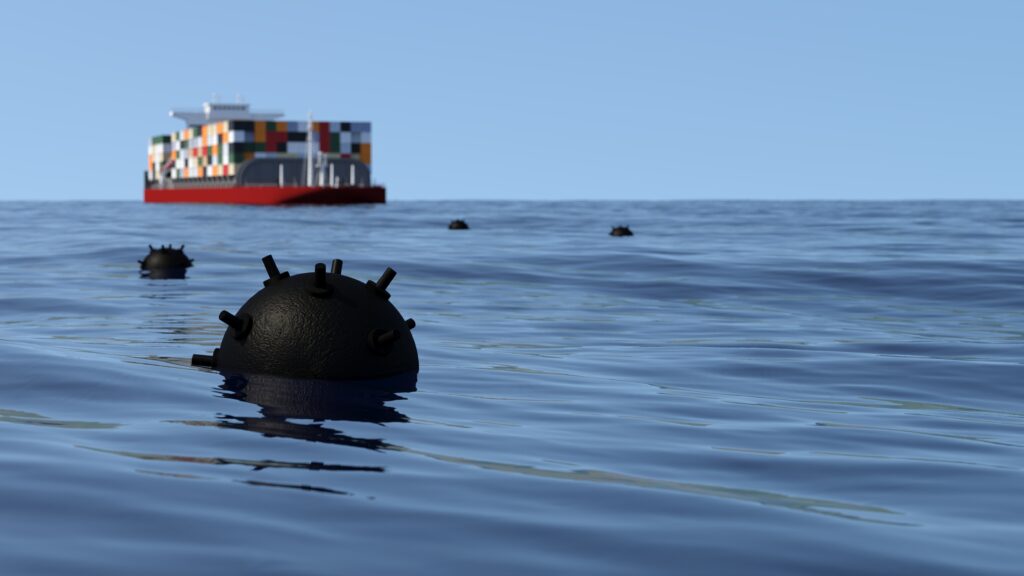
As a result, I am revising my forecast for the Iranian regime’s survival yet again. My new forecast is that the regime stands a 80% chance of holding out for three months and an 65% chance of holding out for six months before damage to their economy forces them to either negotiate an unfavorable climbdown or they collapse due to an inability to pay their soldiers and policemen.
I still believe the regime faces near-term collapse due to a combination of economic and environmental reasons, and a complete loss of legitimacy. But I am now defining ‘near-term’ the way I did in early 2025 when I made my first Iran regime collapse prediction: within the next one to two years. I now put the chance of collapse within two years at about 75% – less than the 80% forecast I devised in January 2025.
That’s a bitter pill to swallow, most especially for the 92 million Iranians who call their country home, not to mention millions of Iranian exiles in Europe and the Anglosphere, most of whom would like to be rid of Iran’s cruel and murderous government so that they can head home for good.
But history and life are full of bitter pills, and this is one of them.
I’ve been chastened. Time to eat my piece of humble pie. It tastes like shit.
Until next time, I remain –
Greymantle